
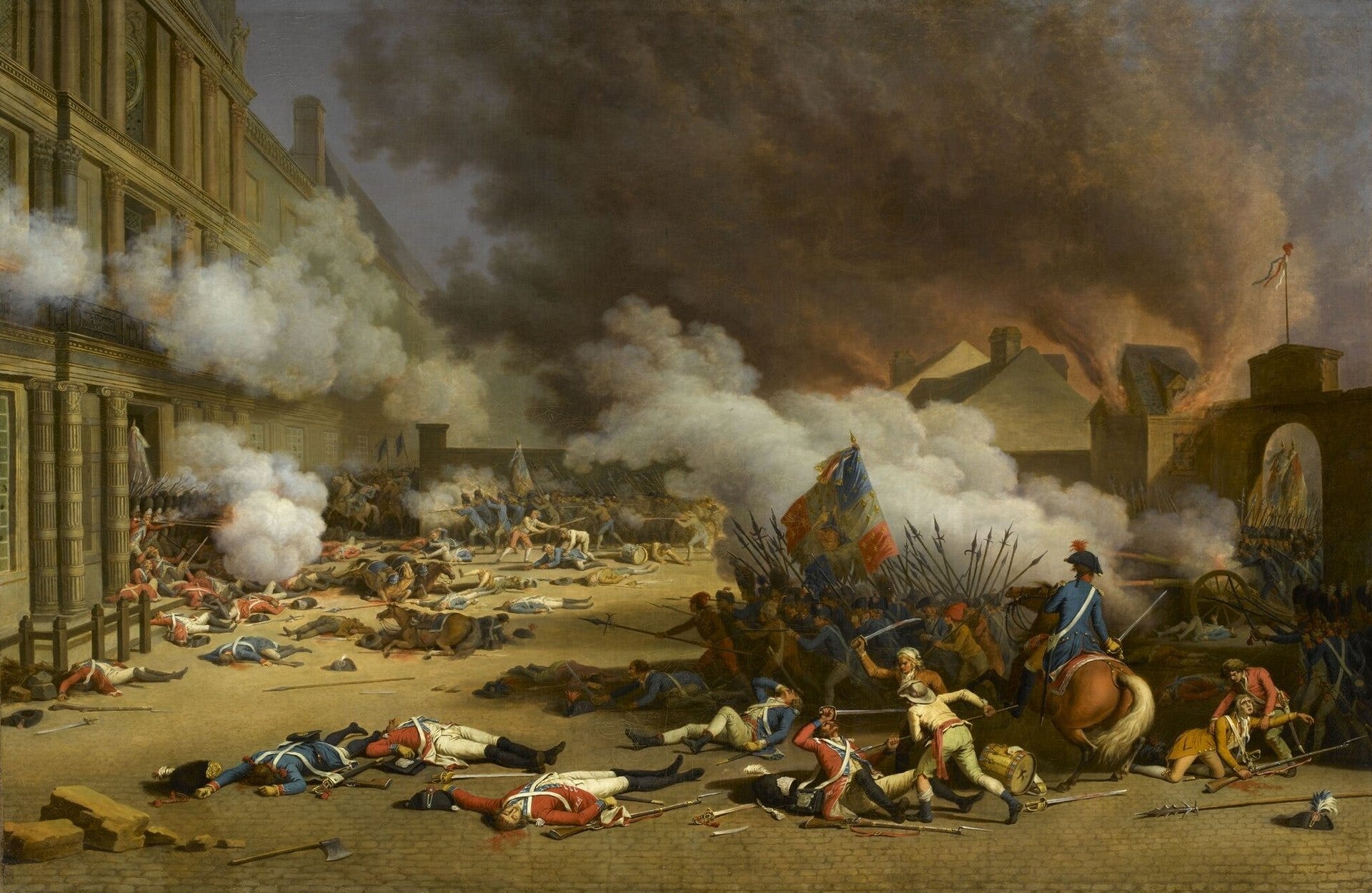
By 5 a.m., Paris was already on its feet.
The bell at the Hôtel de Ville rang over the rooftops. People spilled into the streets. Some were still dressing. Others already had muskets or pikes in hand. All of them were moving toward the center.
Inside the Tuileries, the Swiss Guard had been awake all night. They stood in companies under their captains, with Major Karl Josef von Bachmann in command. Their red coats were spotless even in the heat, white belts tight, muskets shining. They had trained for years for a day like this.
In the guardroom the air smelled of oil and powder. Out in the courtyards, the men waited, calm but alert, listening to the city grow louder…
Positioning for Defence
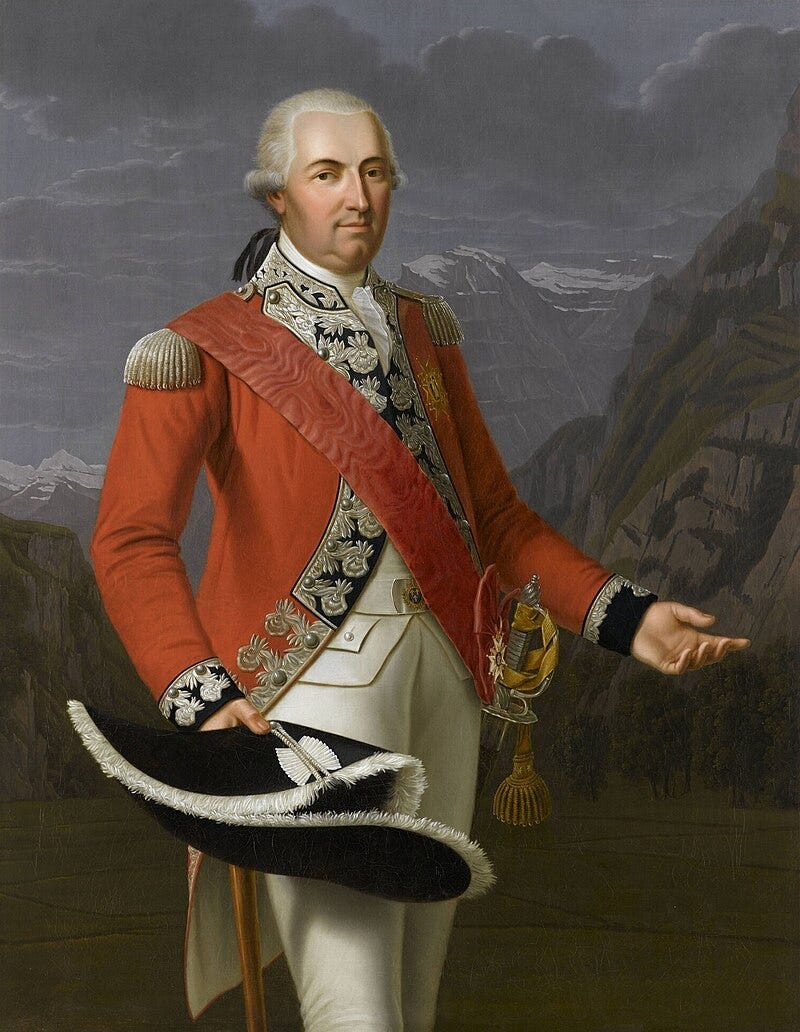
Major Karl Josef von Bachmann had divided the defence carefully.
Two companies held the Carrousel gate at the palace’s front, with a 12-pounder cannon placed just inside the entrance. Another detachment lined the terrace over the Seine to guard the river approach. Smaller groups covered the windows and rooftops. In the gardens behind the palace, more Guards stood ready behind wrought-iron railings.
The plan was simple: hold all entrances and make the attackers pay for every yard.
National Guardsmen from the city, supposedly loyal to the king, stood in other sections of the courtyard. But Bachmann knew better than to rely on them. Many had revolutionary sympathies. In a crisis, he expected them to melt away…
The Mob Gathers
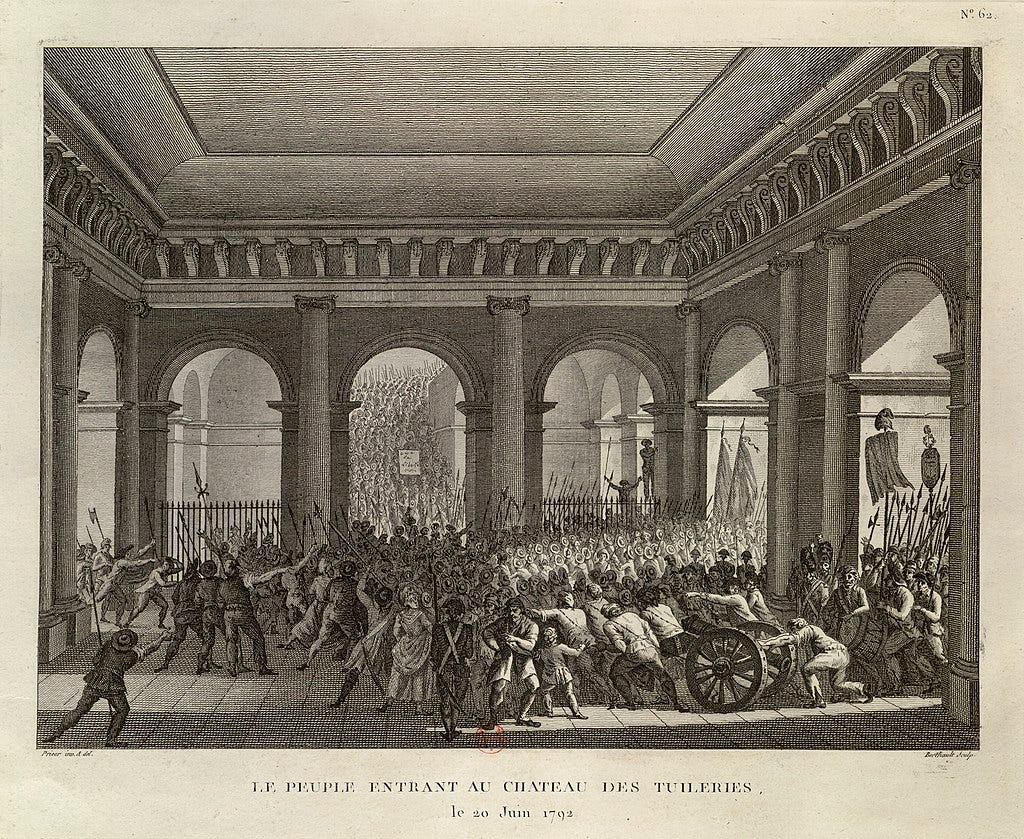
By seven o’clock the Carrousel courtyard was filling. Thousands pressed forward, waving pikes and muskets. Their shouts rose in waves: “Down with the tyrant!” “Vive la Nation!” Some tried to speak with the Swiss through the gates, demanding that they lay down their arms. The Guards did not answer. They stood at ease, muskets upright, their faces impassive.
From the palace windows, the royal family could see the crowd swelling. Marie Antoinette watched with a face like carved stone. Louis XVI was pale, speaking little.
The King Leaves
At 8:30 a.m., advisers urged the king to leave for the Legislative Assembly. If he stayed, they said, the palace would be stormed and his family slaughtered. Louis hesitated, then agreed. The royal party left under escort, a small detachment of Swiss accompanying them.
It was the worst possible move for the Guards left behind. Their oath was to protect the king, not a building. But no order came to withdraw. So they stayed at their posts.
The First Shots
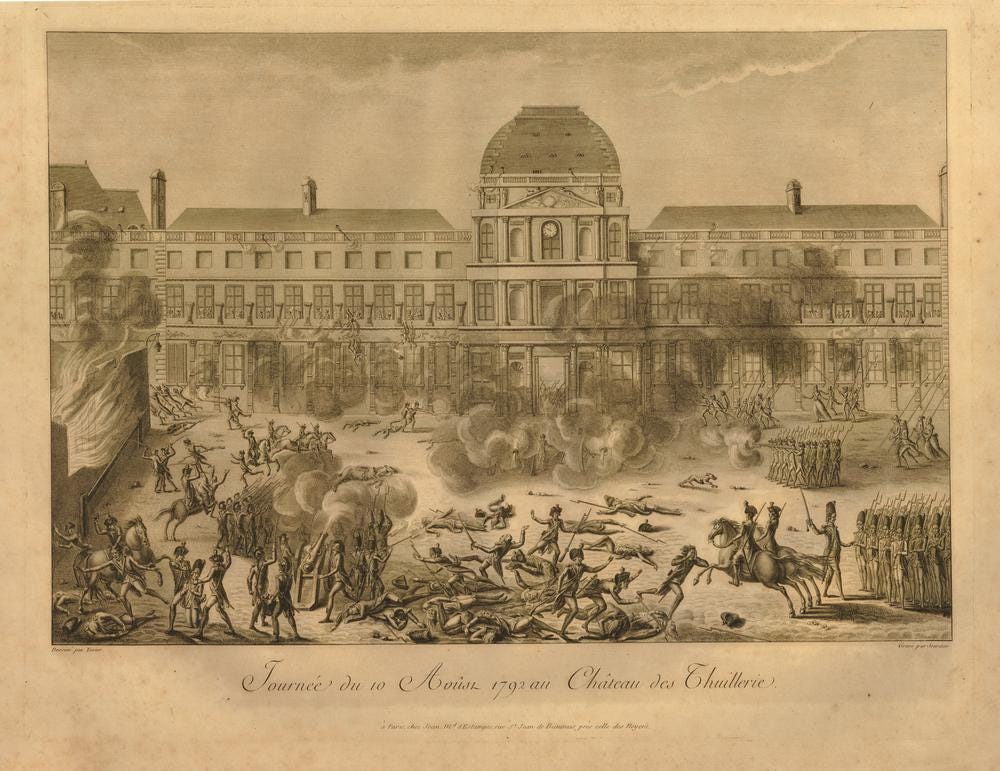
Shortly after ten, the front line of the mob surged forward. There was a loud crack… one shot, then another. Witnesses disagreed on who fired first. Some said a Guardsman fell, hit from the crowd. Others swore a nervous soldier in red pulled his trigger by mistake.
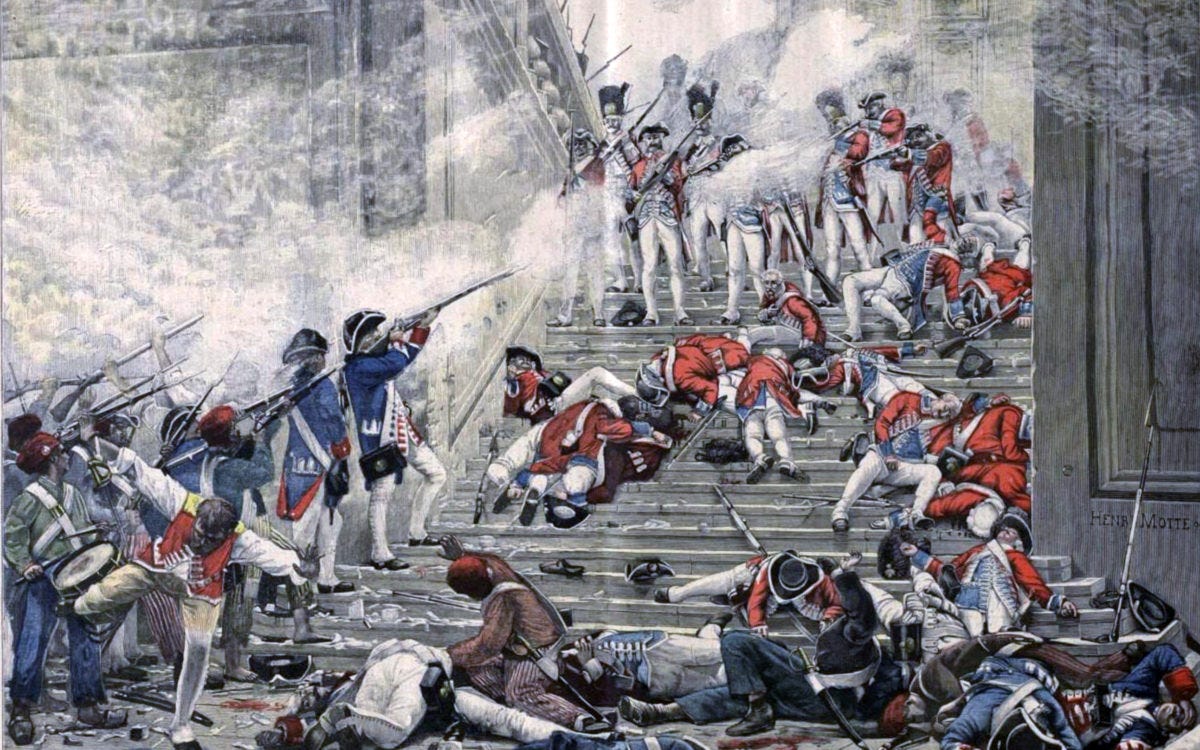
Either way, the volley came. A single line of Swiss Guards raised their muskets and fired in unison. The recoil thudded into their shoulders, smoke gushed from the muzzles, and the front ranks of the mob crumpled. The air filled with powder smoke and screams.
The Counterattack
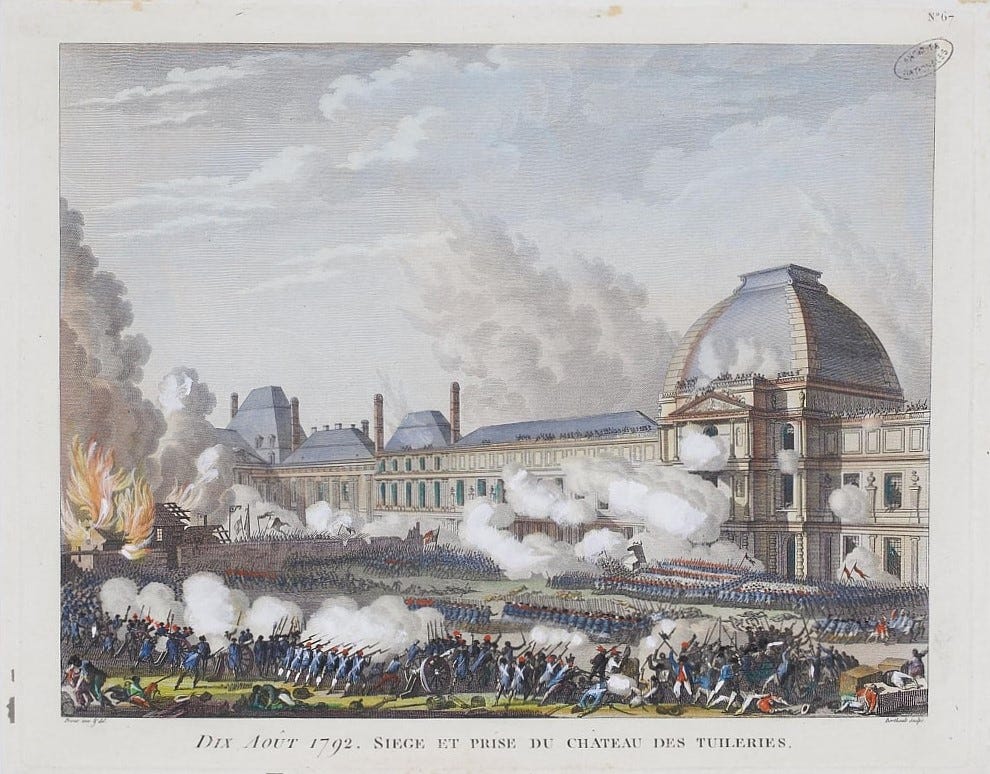
Bachmann ordered two companies forward. Bayonets fixed, they pushed through the Carrousel gate into the open space beyond. The effect was immediate. The mob, used to scattered musket fire, had never faced a disciplined charge. The Swiss advanced as if on parade, muskets level, eyes fixed. Steel hit flesh, and the front ranks of revolutionaries gave way in panic.
A Swiss sergeant later wrote: “We went through them like a plough in wet soil.”
But momentum could not last. The mob regrouped, supported by cannon dragged up from the streets. A blast of grapeshot swept the space in front of the gate, dropping several Guards instantly.
Holding the Garden Side
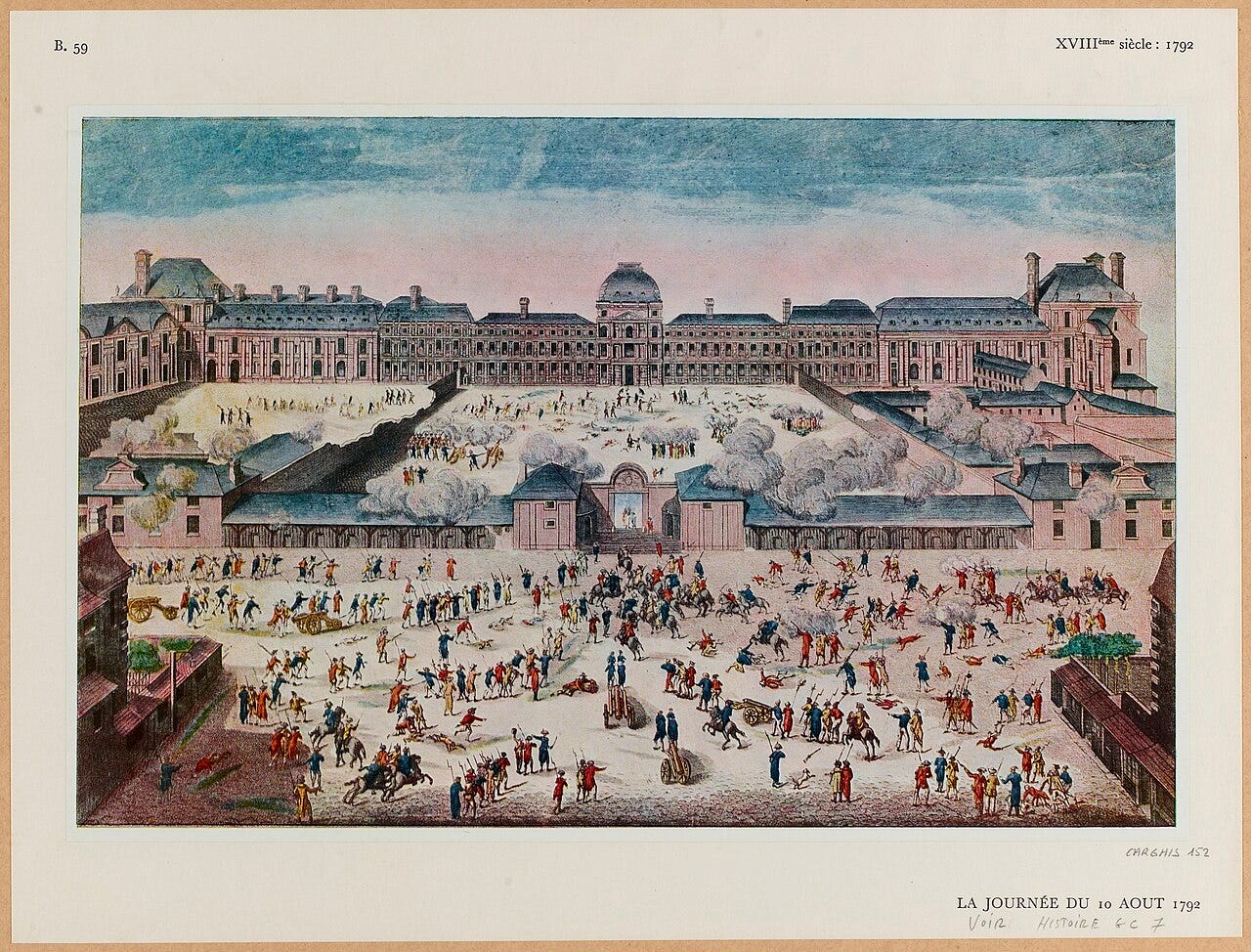
Meanwhile, in the Tuileries Garden, another attack began. The Swiss here had the advantage of a wrought-iron fence. They fired steadily through the bars, cutting down attackers before they could climb. One officer kept his men in rotation: front rank fires, steps back to reload, second rank fires, and so on. The ground outside the fence became a carpet of bodies.
But the enemy was learning. They began firing from the cover of trees, picking off exposed Guards. A few insurgents managed to scale the fence, only to be run through by bayonets before their feet hit the gravel.
The King’s Fatal Order
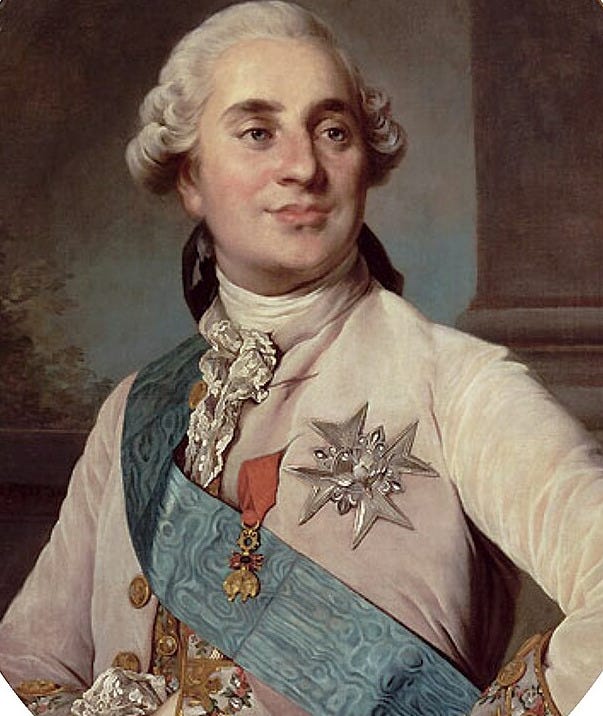
At the height of the fight, a messenger appeared in the palace courtyard. He carried a note in the king’s hand: “Cease fire. Withdraw to your barracks.”
The king, now in the Assembly building, had been told that surrender would save lives. He did not understand that it would doom the Guards.
The order spread confusion. Some captains obeyed immediately, falling back inside. Others doubted the message was genuine and held their ground. The attackers saw the hesitation and surged forward…
What happened next was the moment the fight turned from defence to slaughter. It was the turning point of the entire day, and the way it happened is so so brutal that I reserve it for my subscribers.
If you want to step through that gate with me, see the smoke, hear the cannon, and watch the lines break in real time, you can unlock the full account here…