
For most of history, the New Year was a reminder that time had passed, that vows still bound you, and that death was closer than it had been twelve months earlier.
For the Crusaders, this feeling was intensified. A New Year often arrived while they were far from home, living in tents or ruined cities, surrounded by enemies, sickness, and uncertainty. There were no clean breaks between years. No fresh starts. Only continuation.
To understand how Crusaders marked the New Year, you have to discard modern ideas of celebration..
The Western Spirit exists because of readers like you. Join us and help keep this project alive and independent.
If you’ve been enjoying these essays, consider becoming a paid subscriber. For a few dollars a month, you’ll get:
In-depth pieces on forgotten battles, brave men, and turning points in Western history
Reflections on faith, order, tradition, and the deeper meaning behind culture
Full access to the growing archive — essays, book breakdowns, and historical deep dives
This project exists because readers like you make it possible.
Time as Obligation, Not Opportunity
Medieval Christians did not experience time as open-ended. Time was something owed. Each year was a loan from God, and its passing demanded an account.
Crusaders inherited this worldview fully formed. Many of them had taken vows… formal, public, spiritual promises… to reach Jerusalem, to fight, to endure, and not to abandon the pilgrimage unless released by death or authority.
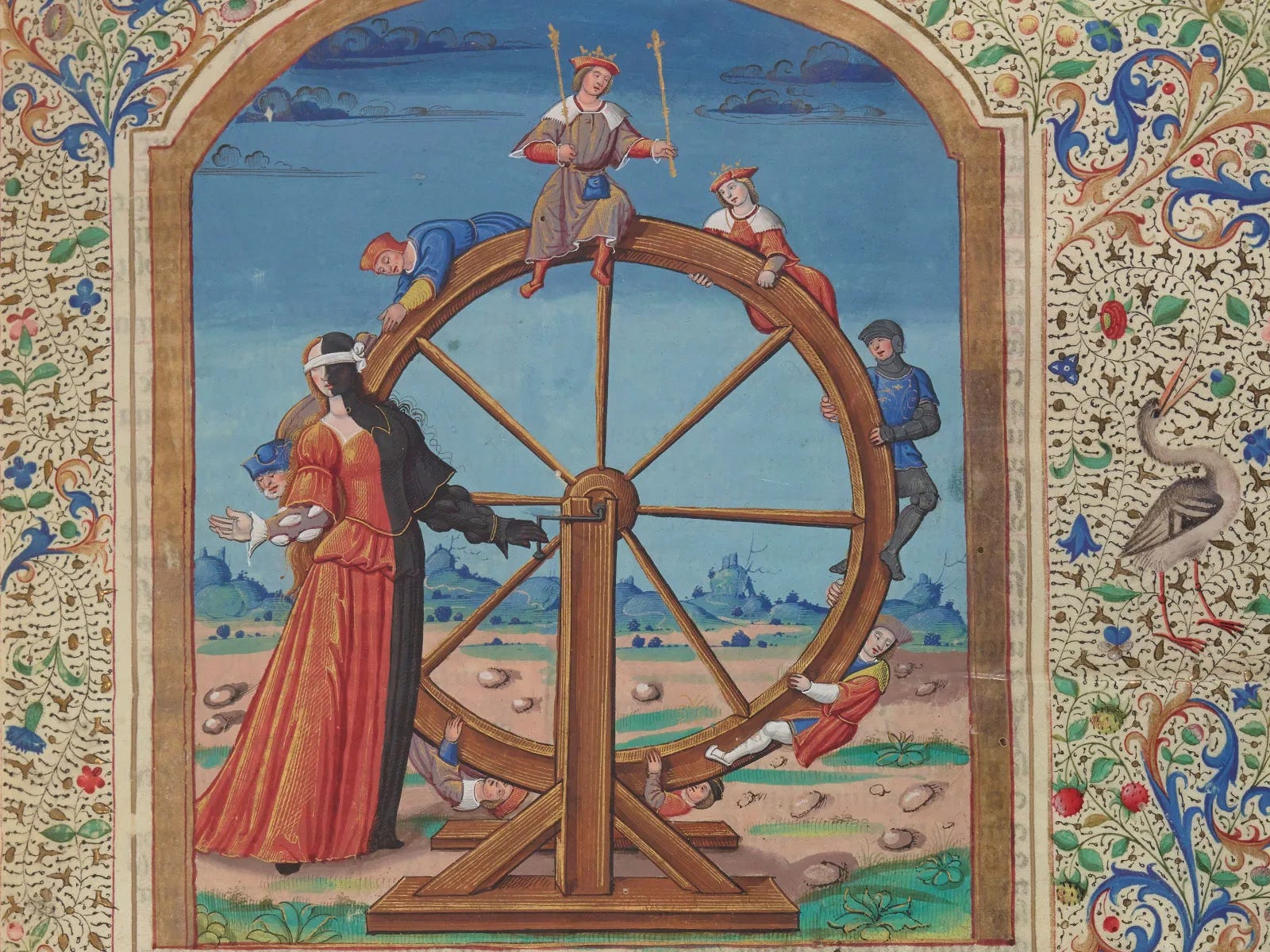
The New Year therefore functioned less like a beginning and more like a checkpoint.
A man who had taken the cross and reached January without fulfilling his vow did not feel renewed. He felt pressure. The calendar reminded him that he was still bound.
This is why Crusader chronicles rarely describe celebration at the turn of the year. Instead, they describe councils, fasts, prayers, and renewed oaths.
Time was moral. And the New Year sharpened that reality.
The best source for this is Fulcher of Chartres, a priest who joined the First Crusade and later wrote one of its most sober chronicles.
“Whoever set out on this journey, having vowed to God that he would reach Jerusalem, could not turn back without peril to his soul. For the vow once made bound the man, whether the way was easy or hard, whether life remained or failed him. Many endured hunger, cold, and delay, yet they persisted, knowing that God would require an account of the promise they had sworn.”
— Fulcher of Chartres, Chronicle of the First Crusade
The Liturgical New Year, Not the Calendar One
It’s important to understand that Crusaders did not orient their lives primarily around January 1st.
Their year revolved around the Church calendar: Advent, Christmas, Epiphany, Lent, Easter.
The New Year often arrived during Christmastide, a season that emphasized incarnation, humility, and obedience rather than triumph. This shaped how Crusaders experienced it.
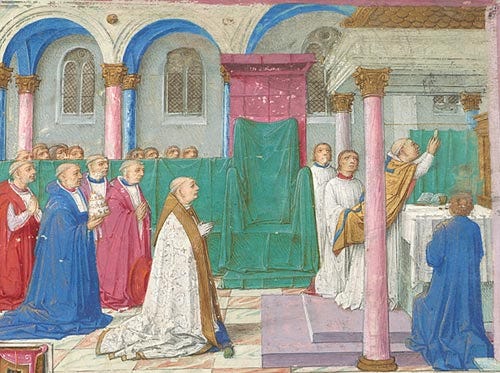
If they were near clergy… and many armies traveled with priests… the New Year would be marked by Mass, confession, and prayer. These were not optional. Before battle, confession was treated as preparation, not piety.
“Before we advanced to battle, the bishops and priests exhorted the people to confession and penance, reminding them that no one should presume to fight the enemies of God while burdened by sin. Many confessed with tears, received absolution, and prepared their souls, for they believed that victory or death alike required purity before God.”
— Raymond of Aguilers, Historia Francorum
Renewal of Vows in a World of Attrition
Crusading unfolded over years. The days accumulated, and the costs did too. What began with vows and intention settled into routine, travel, waiting, and endurance.
Some men left when the strain outweighed their resolve. Others died from hunger, illness, or wounds that never closed. Some lost confidence in the cause. Others grew harder, shaped by conditions that rewarded severity more than mercy. When the New Year arrived, it forced a quiet question on those who remained… Does this vow still bind me?
Chronicles describe councils held in January where leaders restated the purpose of the expedition. These meetings were practical. Men needed reminders. Distance, fatigue, and loss eroded memory. The councils clarified obligation.
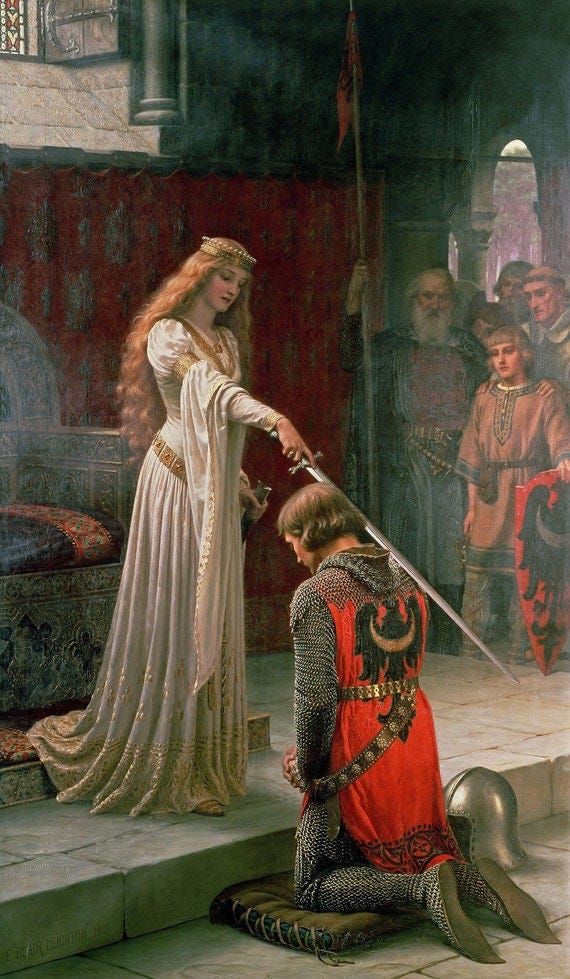
By the time renewal occurred, it came without ceremony... A man prayed. A man confessed. A man chose to continue into another year with no clear knowledge of the outcome.
“Many who had taken the cross endured long delays, hunger, sickness, and grief, yet remained bound by the vow they had sworn. Though wearied in body and troubled in spirit, they did not consider themselves released, knowing that the promise made to God endured beyond hardship, and that each must give account for what he had undertaken.”
— Orderic Vitalis, Ecclesiastical History
Celebrating Survival, Not Victory
When Crusaders did mark the New Year communally, it was often because they were still alive.
Survival itself became meaningful. Another year meant God had not withdrawn permission for them to exist.
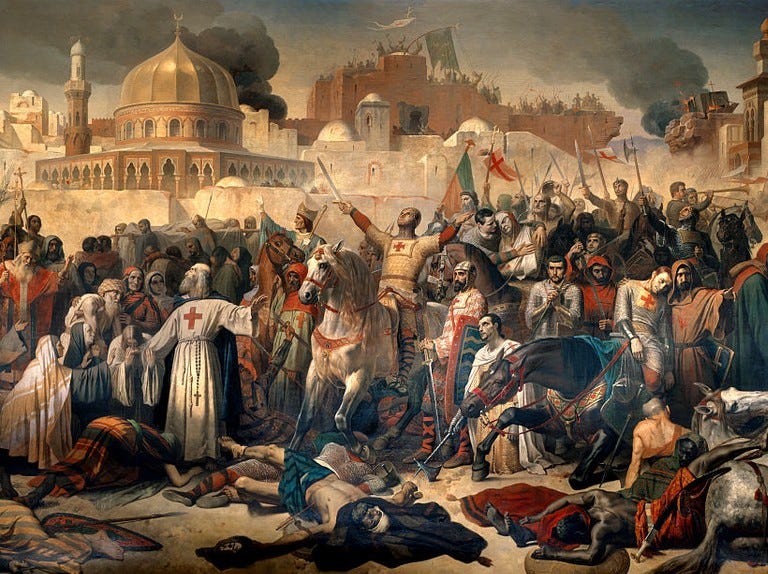
Feasting, when possible, was restrained. Food was scarce. Winter made supply lines fragile. Excess would have been seen not only as imprudent, but sinful.
What mattered was fellowship. Sharing bread. Sharing wine if it existed. Hearing Mass together. Standing next to men who had not yet fallen.
“Those who remained gave thanks not for abundance, but for life itself. For many had fallen by famine, cold, and sickness, and those who yet stood believed that God had spared them for His own purpose. They shared what little they had, ate with moderation, and assembled for prayer, mindful that death had passed close among them.”
— Guibert of Nogent, Gesta Dei per Francos
Jerusalem and the Weight of Sacred Time
For Crusaders who had reached Jerusalem, the New Year carried additional gravity.
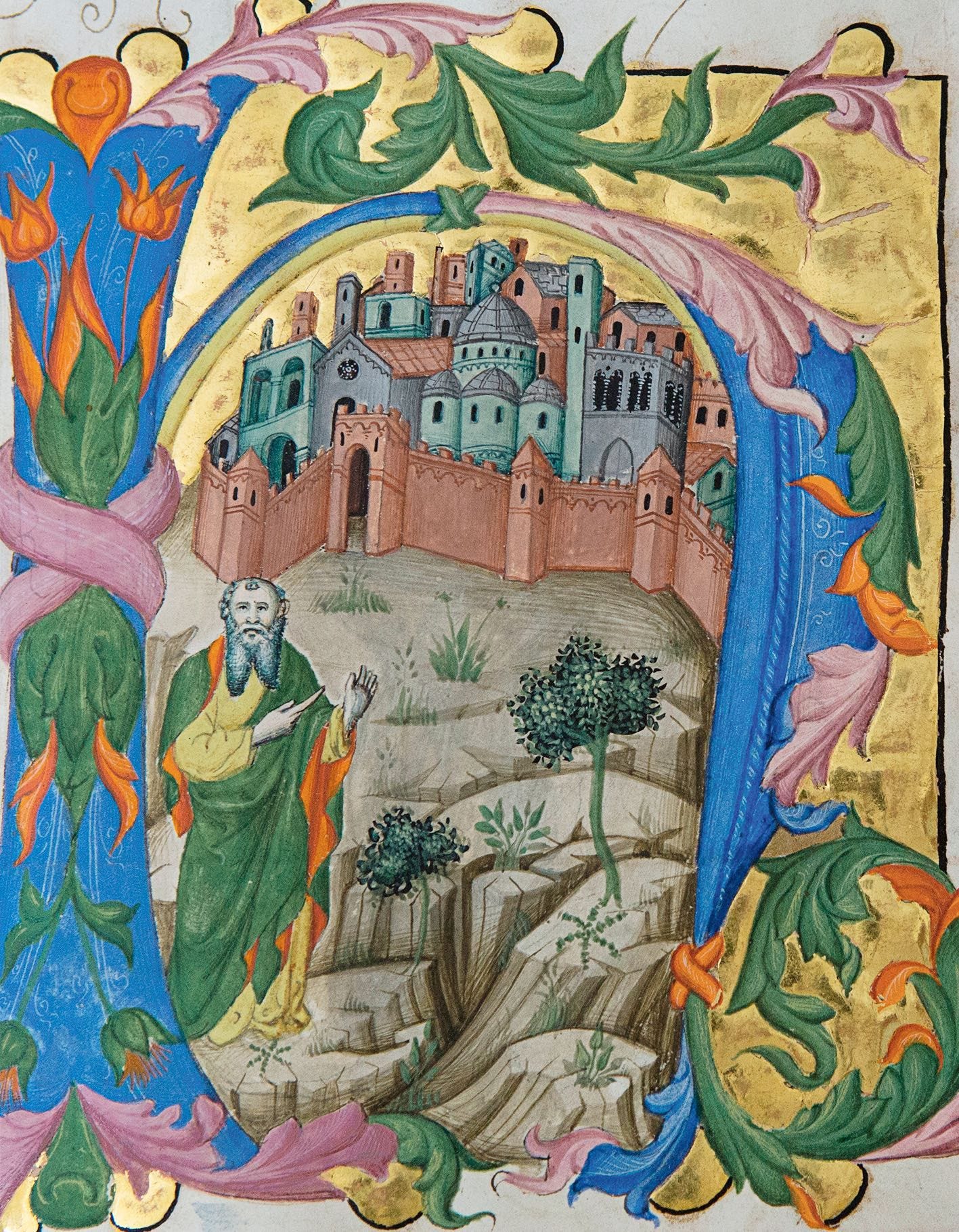
To enter a new year in Jerusalem meant standing inside the story of salvation.
Chronicles describe processions, prayers at holy sites, and fasting. The New Year became a moment of alignment… bringing one’s life back into order with eternity.
“When we dwelt in Jerusalem, we knew ourselves to be living in the place where the Lord had suffered, risen, and ascended. Therefore we observed the seasons and holy days with greater fear and devotion, knowing that each passing time required of us a more careful ordering of life, lest we prove unworthy of the city in which such mysteries had been accomplished.”
— Fulcher of Chartres, Chronicle of the First Crusade
No Illusions About the Year Ahead
Modern resolutions assume control. Crusader resolutions assumed uncertainty.
A Crusader entering a new year did not plan productivity. He prepared for suffering. He did not aim for balance. He aimed for faithfulness.
This difference matters.
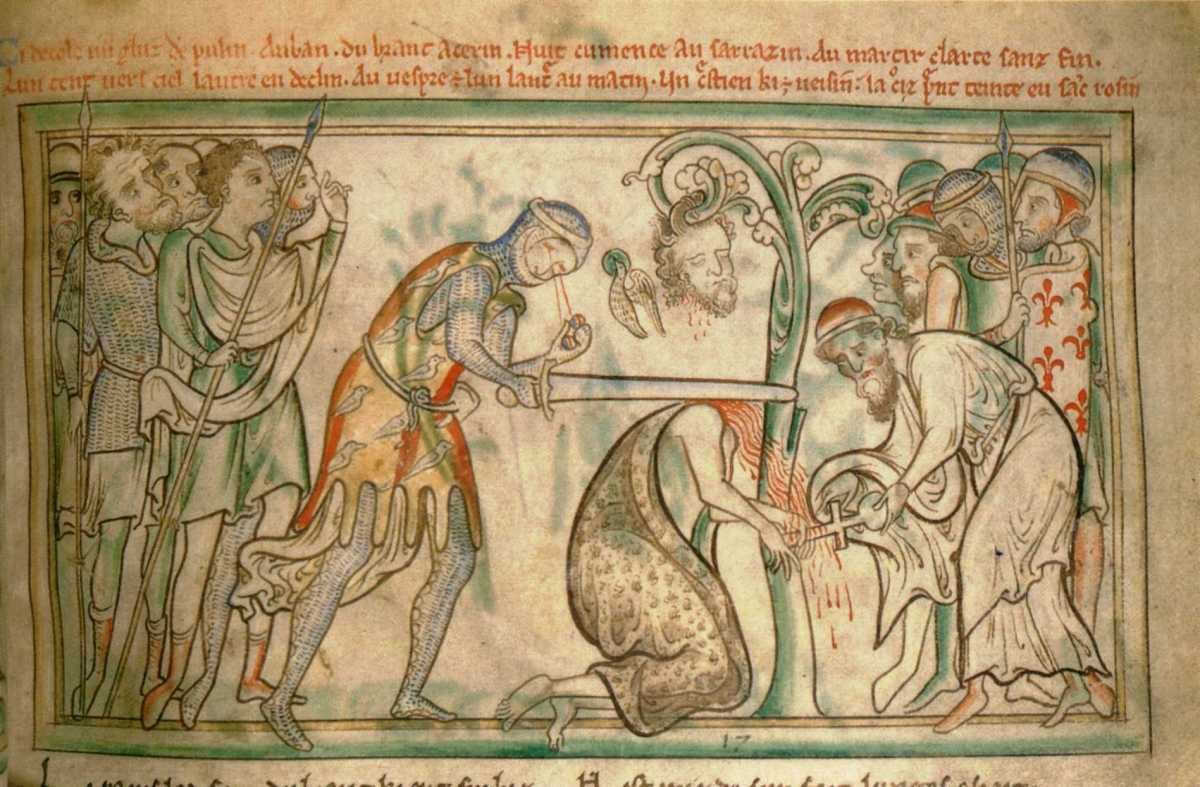
Where modern people say, “This year will be different,” Crusaders said, “This year may break me.”
Their preparation was therefore moral, not strategic. Confession mattered more than confidence. Endurance mattered more than enthusiasm.
They did not expect the year to improve. They expected themselves to endure it rightly.
“The knight of Christ does not fear sin in striking, nor danger in dying. Whether he lives or dies, he belongs to the Lord. He seeks no victory for himself, nor does he measure success by worldly gain, but commits his way to God, prepared alike for suffering or for death.”
— Bernard of Clairvaux, De Laude Novae Militiae
What the Crusaders Teach About the New Year
Their understanding of time was serious.
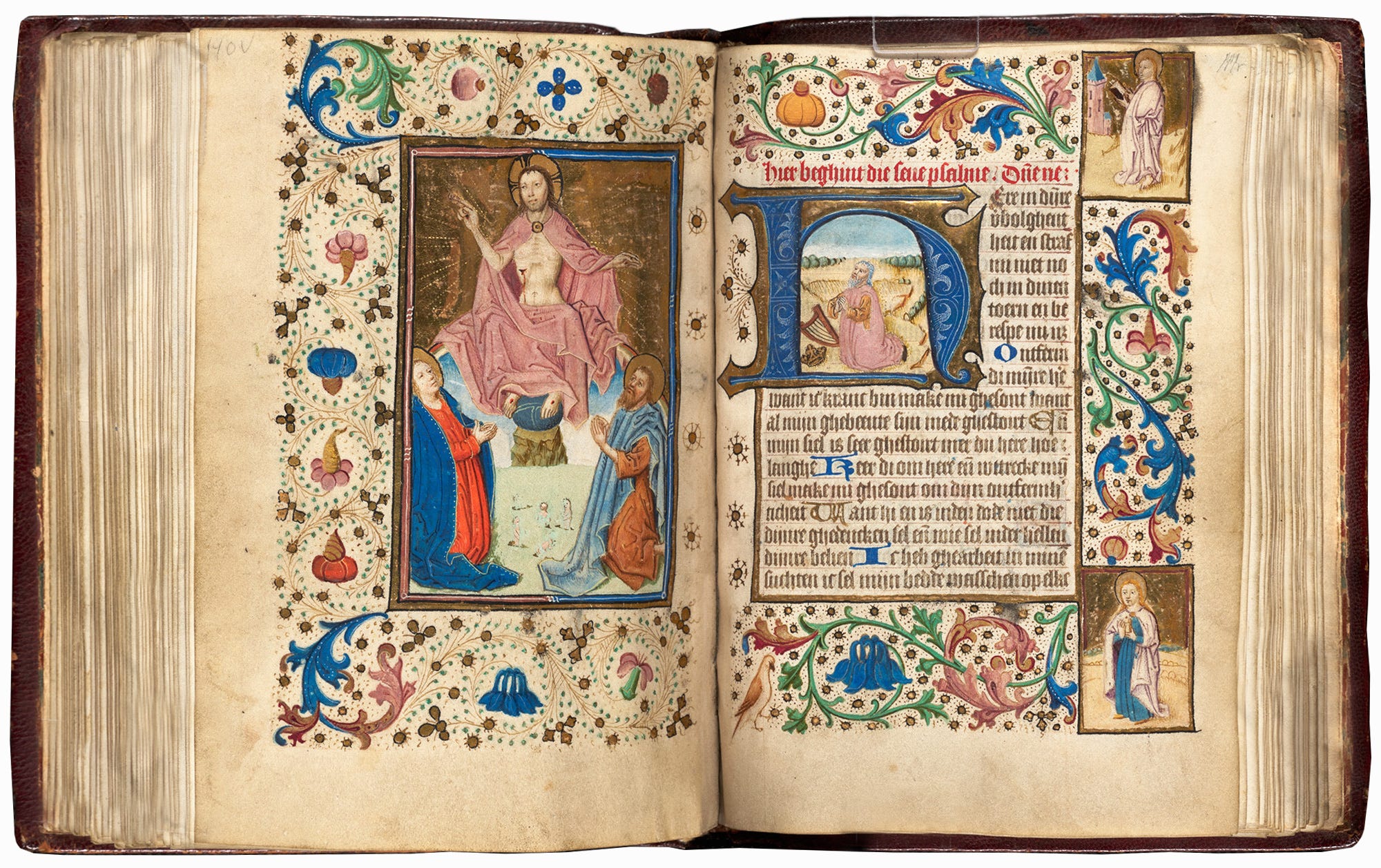
They treated The New Year as a moral audit. A moment to ask whether they were still aligned with the vow that defined their life.
Resolutions were once about duty, not desire. About continuation, not reinvention.
“Those who had bound themselves by vow knew that time did not release them from what they had promised. Each passing season stood as a witness to their resolve, and each delay required them to examine whether they remained faithful to the purpose for which they had set out.”
— Guibert of Nogent, Gesta Dei per Francos
The New Year as Reckoning
For the Crusader, the New Year demanded seriousness.
It asked: Are you still who you said you were?
That question is uncomfortable. Which is why modern culture avoids it. We prefer excitement to accountability.
The Crusaders lived differently. They understood that time does not refresh you. It reveals you…
And that may be the oldest New Year lesson of all.
Medieval Crusaders marked the year's turn by measuring fidelity to vows already made. Not reinvention. Accounting.
The calendar didn't offer fresh start—it demanded assessment of whether commitment still held, whether capacity remained for another cycle. The question wasn't what to become. The question was whether you were still what you'd sworn to be.
Spectacle came later. Accountability came first.
Modern midnight promises transformation through declaration. Medieval practice required confronting what persisted despite intention. The gap between vow and action. The cost of another year maintaining the same commitment.
Useful contrast: we treat January 1st as reset button. They treated it as audit date.