Everyone has heard of El Cid, Richard the Lionheart, Skanderbeg, Jan Sobieski, or John Hunyadi, because their victories entered legend, their portraits survived, and their stories continued passing from generation to generation long after the battlefields themselves had gone silent.
What history forgets are the men standing beside them.
The captains holding collapsing walls while kings escaped through smoke and confusion, the monks carrying wounded children through burning streets, the frontier commanders spending decades fighting wars so constant that chroniclers barely recorded half the battles anymore, and the anonymous knights dying in breaches no one remembers today despite the fact that entire cities survived because they held their ground a few minutes longer.
Honestly, once you begin reading medieval chronicles carefully, you realize Christian Europe survived partly because thousands of lesser-known men continued fighting in moments where surrender would have been infinitely easier.
Take the defense of Belgrade in 1456.
Most people know John Hunyadi, and rightly so, because Hunyadi was one of the greatest military commanders of the fifteenth century and the man who shattered the Ottoman siege threatening Hungary only three years after the fall of Constantinople, when much of Europe feared that Ottoman armies might continue advancing into the heart of the continent.
Standing beside Hunyadi, however, was a Franciscan friar named Giovanni da Capestrano, now almost forgotten despite the fact that eyewitnesses repeatedly describe him moving among exhausted defenders carrying a crucifix while Ottoman artillery smashed the walls around them and thousands of men waited anxiously for the next assault.
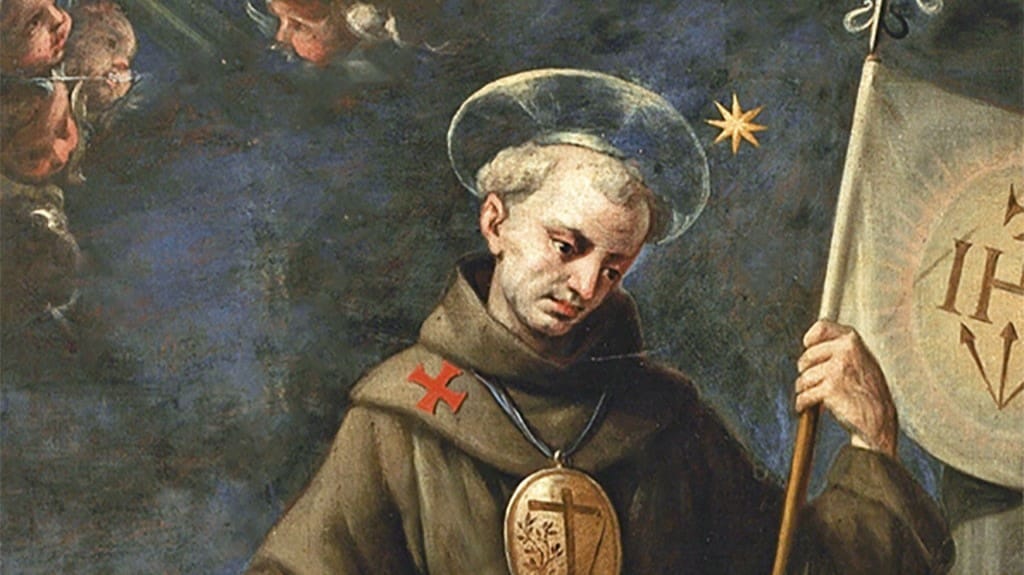
He was over seventy years old, not a knight, not a nobleman, not even a professional soldier, and yet contemporary accounts describe him preaching constantly, rallying peasants, organizing defenders, and helping hold together resistance many believed was already nearing collapse.
One chronicler described the scene this way:
“The friar moved among them without fear while arrows fell and cannon roared, lifting the cross before the soldiers and crying that Christ Himself watched from the walls.”
Friendly reminder: The Western Spirit exists because of readers like you. Join us and help keep this project alive and independent.
If you’ve been enjoying these essays, consider becoming a paid subscriber. For a few dollars a month, you’ll get:
In-depth pieces on forgotten battles, brave men, and turning points in Western history
Reflections on faith, order, tradition, and the deeper meaning behind culture
Full access to the growing archive — essays, book breakdowns, and historical deep dives
This project exists because readers like you make it possible.
The same pattern appears during the long Albanian resistance led by Skanderbeg..
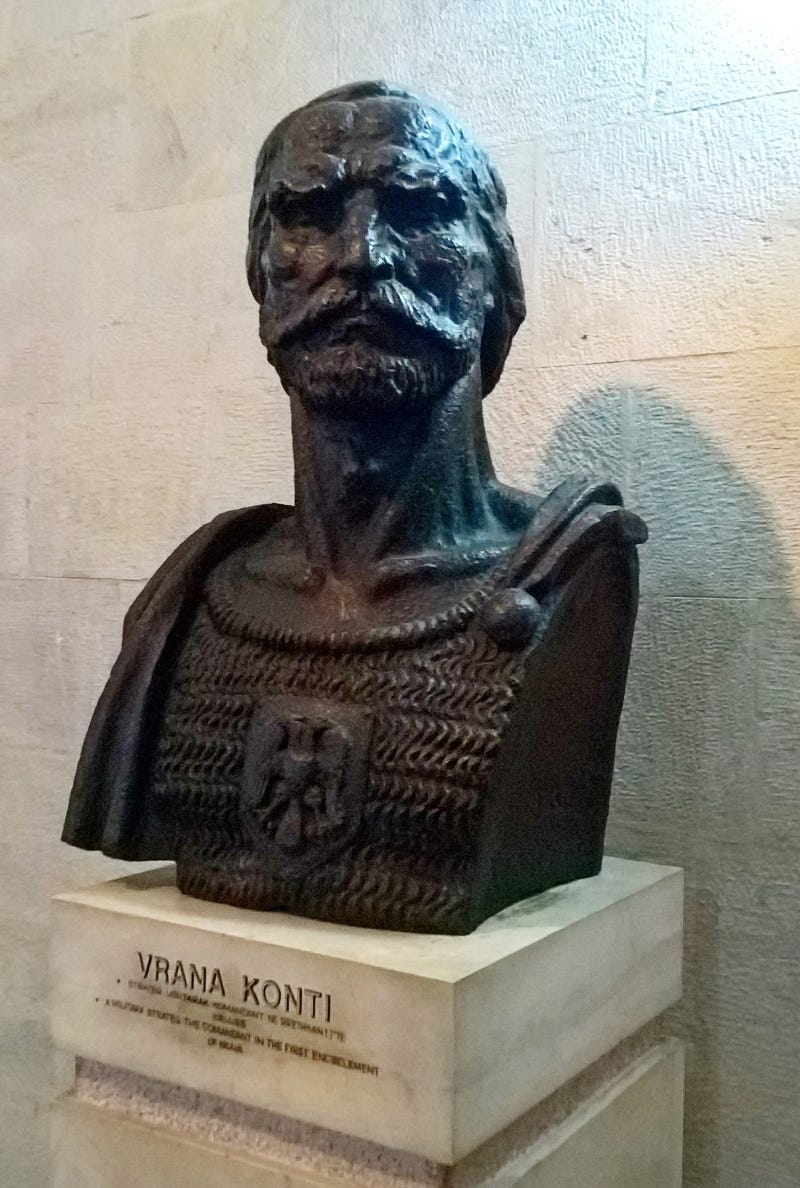
One of the most important was Vrana Konti, the commander entrusted with defending Krujë during some of the most dangerous Ottoman sieges of the entire Albanian resistance.