
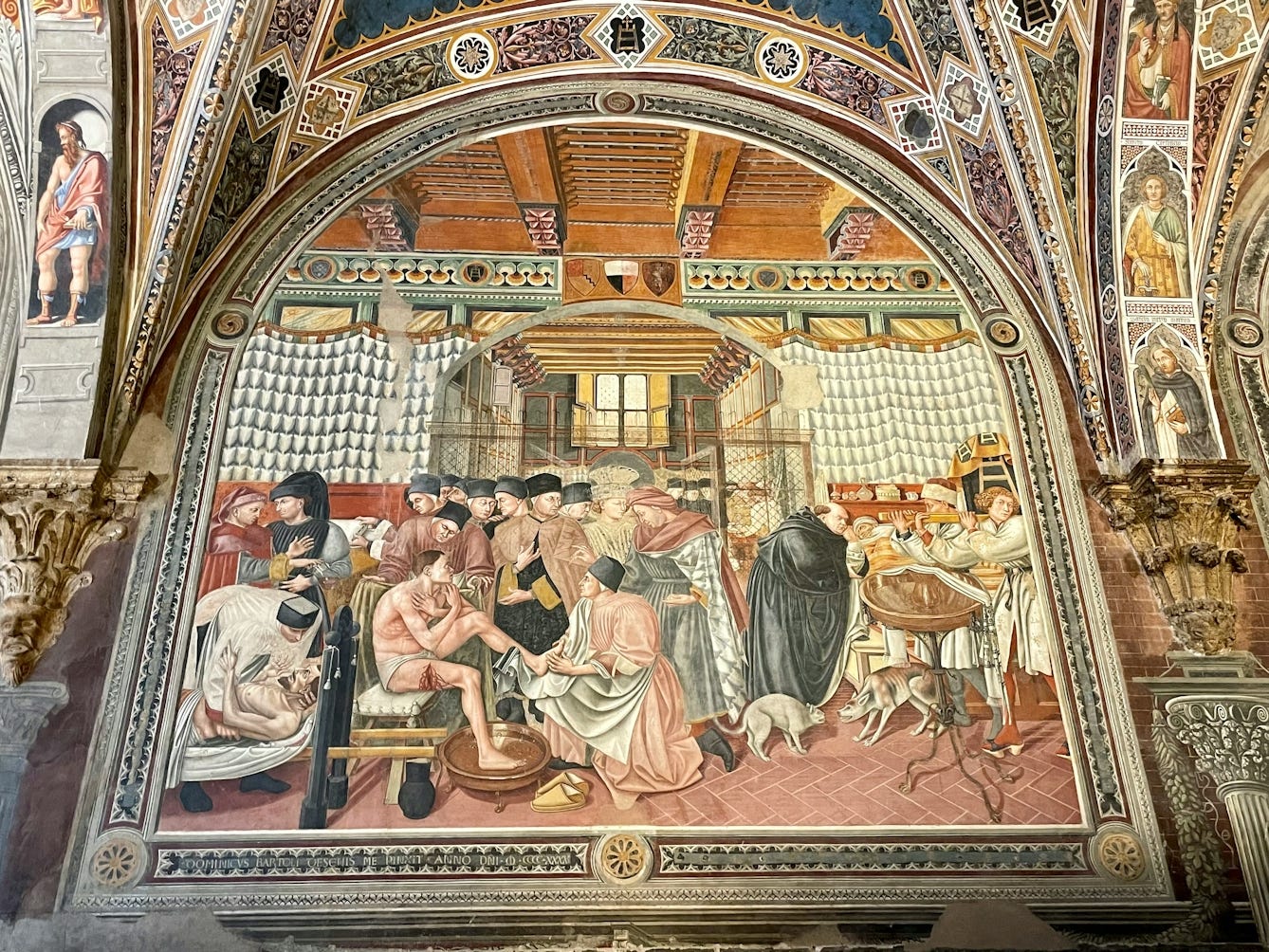
Most people assume hospitals have existed since the ancient world. The Greeks had physicians, Rome had medicine, and civilizations long before Christianity knew how to treat wounds, and care for the sick.
All of that is true.
But that is not the same thing as a hospital.
The Greeks had healing sanctuaries associated with Asclepius, while the Romans developed valetudinaria for soldiers and other groups. What emerged in the Christian Roman Empire during the fourth century represented an institution organized around receiving the sick, poor, stranger, and abandoned as people worthy of care in themselves. Scholars debate exactly where we should draw the line between hospice, poorhouse, infirmary, and “hospital”, but one institution appears again and again in the history of the hospital.
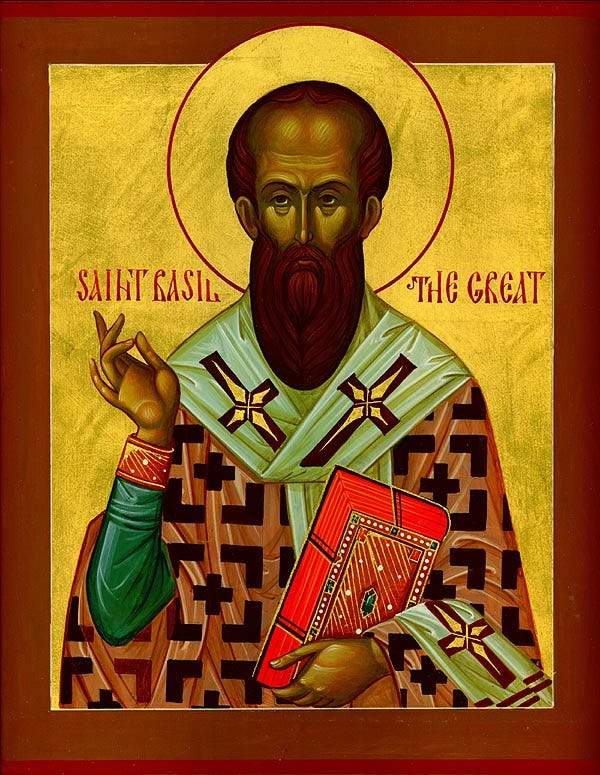
It was created by a bishop by the name of Basil of Caesarea.
Around 372 AD, he built a hospital outside Caesarea in Cappadocia so big that his friend Gregory of Nazianzus described it as practically a new city. Modern scholarship treats Basil’s Basileias as one of the earliest institutions for which substantial evidence survives that resembles the charitable hospital tradition that developed across the Christian world.
To understand why that happened, however, we have to begin with Christianity’s understanding of the sick.
Christ Was in the Sick Man
The Christian argument was simple… Christ had already told them what to do.
In Matthew 25, Jesus identifies himself with the hungry, the stranger, the naked, and the sick:
“I was sick and you visited me.”
Here’s the explanation:
“As you did it to one of the least of these my brethren, you did it to me.”
That idea had consequences.
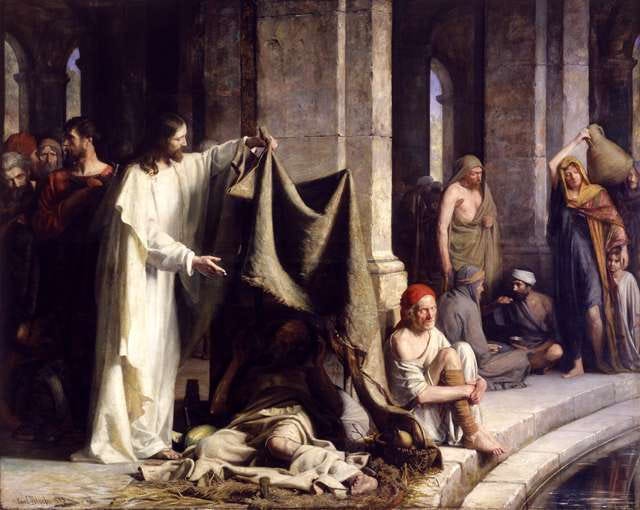
The sick person was no longer someone unfortunate enough to have become ill. Caring for him became an act performed for Christ himself, and as Christianity spread through the Roman world, this conviction produced organized forms of charity alongside the Church’s preaching and worship.
The evidence becomes even more interesting because one of our witnesses was no Christian admirer.
He was trying to destroy Christianity.
Even the Pagan Emperor Noticed
In 361 AD, Julian became Roman emperor.
Julian had been raised Christian, rejected the faith, embraced traditional pagan religion, and spent his short reign attempting to revive the old cults. Yet he faced a frustrating problem: Christians had become exceptionally good at caring for people.
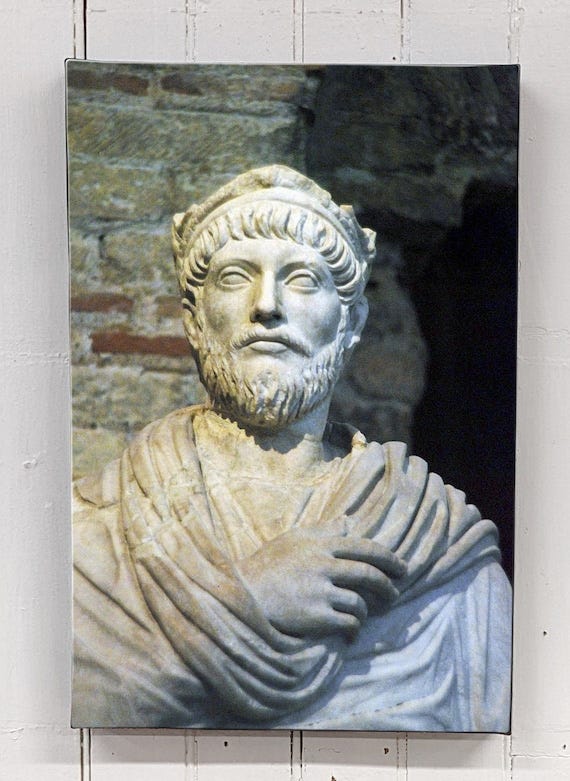
Around 362, Julian wrote to Arsacius, the pagan high priest of Galatia, instructing him to imitate Christian charitable institutions. He ordered hostels established for strangers and arranged huge distributions of grain and wine for the poor.
Then he explained why:
“In every city establish frequent hostels in order that strangers may profit by our benevolence; I do not mean for our own people only, but for others also who are in need of money. I have but now made a plan by which you may be well provided for this; for I have given directions that 30,000 modii of corn shall be assigned every year for the whole of Galatia, and 60,000 pints of wine. I order that one-fifth of this be used for the poor who serve the priests, and the remainder be distributed by us to strangers and beggars. For it is disgraceful that, when no Jew ever has to beg, and the impious Galilaeans support not only their own poor but ours as well, all men see that our people lack aid from us. Teach those of the Hellenic faith to contribute to public service of this sort, and the Hellenic villages to offer their first fruits to the gods; and accustom those who love the Hellenic religion to these good works by teaching them that this was our practice of old.”
This is an emperor hostile to Christianity complaining that Christians cared for pagan poor so effectively that paganism looked bad by comparison. Julian therefore ordered his own priests to establish hostels and charitable services in response.
The Christians had made charity part of their public identity.
Basil took the idea further…
Friendly reminder: The Western Spirit exists because of readers like you. Join us and help keep this project alive and independent.
If you’ve been enjoying these essays, consider becoming a paid subscriber. For a few dollars a month, you’ll get:
Essays on brave men, and turning points in Western history
Reflections on faith, tradition, and culture
Full access to the growing archive - essays, book breakdowns, and deep dives
This project exists because readers like you make it possible.
Basil Builds a City for the Sick
Basil became bishop of Caesarea in Cappadocia in 370 AD.
He was already one of the greatest Christians of his generation: theologian, monk, defender of Nicene Christianity, organizer, preacher, and eventually one of the great Doctors of the Church.
But Basil also possessed an concern for the poor.
During a severe famine in Cappadocia around 368–369, he preached against wealthy men who hoarded grain while their neighbors starved, and organized relief.
Then came the project for which he became famous…