
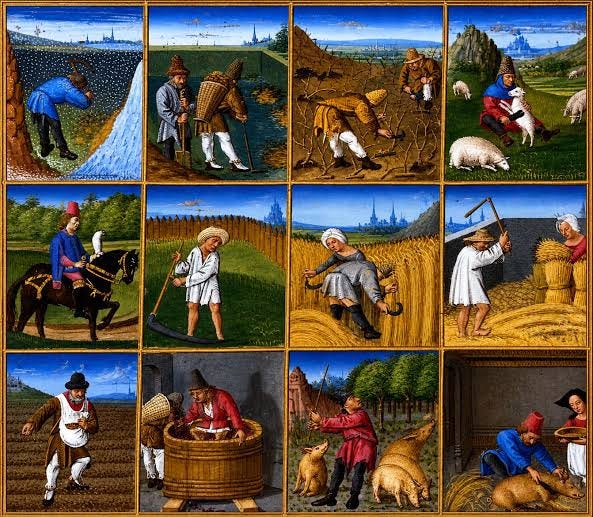
The medieval peasant lived without electricity or modern comforts. Their lives were difficult, but there is something in their relationship with work and community that modern civilization has forgotten. What would happen if we recovered some of their habits?
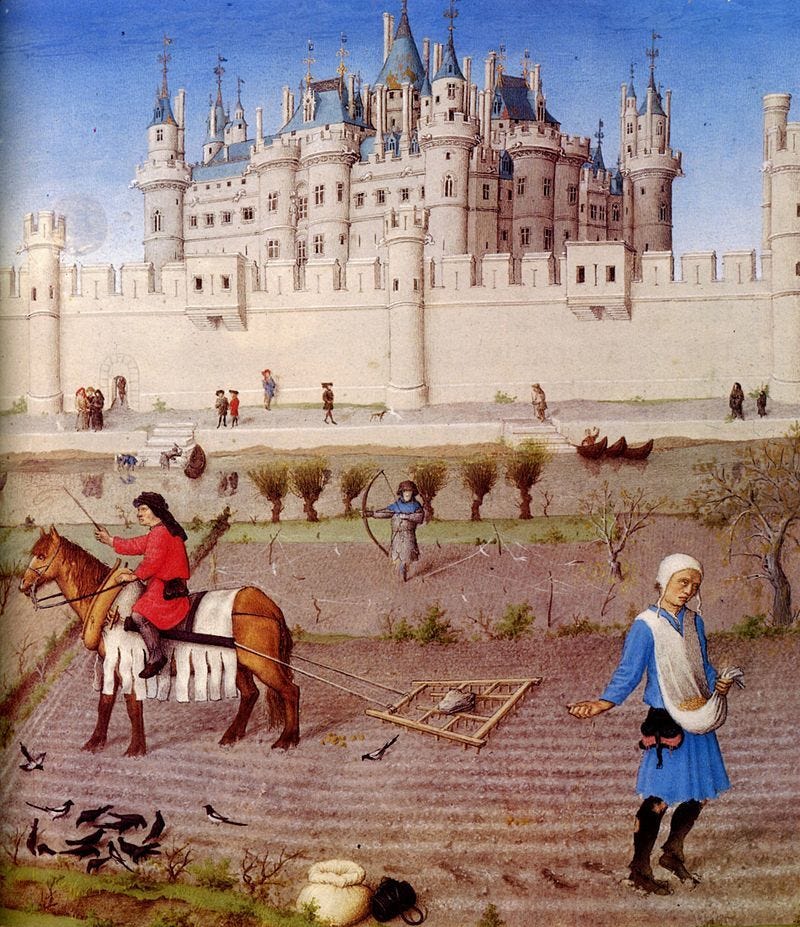
Imagine waking in a small village somewhere in medieval England around the year 1250. The first light of the morning enters through the shutters of a modest timber house while smoke rises from the hearth. Outside, the fields are beginning to emerge from the darkness and the village is slowly coming to life. There is no alarm clock beside your bed and no telephone waiting to demand your attention. You have no news from distant countries and little reason to concern yourself with the arguments of strangers hundreds of miles away. Most of the people you know live within walking distance, and the rhythm of your existence is determined by the land around you.
Your first concern is the work that needs to be done. Depending on the season, there may be fields to plough or animals to feed. During harvest the days can be exhausting, while winter brings different responsibilities and more time spent indoors. Your household depends on the food it produces and the resources it can obtain from the surrounding countryside. One of the earliest surviving descriptions of this labor comes from Ælfric’s Colloquy, an early eleventh-century educational dialogue that records the words of a plowman:
“Master, I have to work far too much; I go out at dawn, driving the oxen to the field, and I yoke them to the plough; I dare not in the severest weather lie hid at home, for fear of my lord; and when I have yoked the oxen together, and fastened the ploughshare to the plough, I have to plough a whole acre every day, or more. I have a boy who threatens the oxen with a goad, and he is also hoarse with the cold and his shouting. Certainly I do more besides that. I have to supply the mangers of the oxen with hay, and give them water, and carry their dung outside. Yes, it is a great labour that I have to fulfil, for I am not free.”
The same text preserves the shepherd’s account of his own unending round:
“Indeed, I have. In early morning I drive my sheep to the pastures, and I stand by them, in heat and cold, with dogs, lest the wolves should devour them, and I bring them back to their folds, and milk them twice a day, and I move their folds besides. I also make butter and cheese, and I am faithful to my lord.”
On Sundays the village gathers at church. Religious festivals mark the passing of the year, and the sound of church bells reminds people of obligations that extend beyond their daily work. Life is not easy. A poor harvest can bring hunger and an illness that modern medicine could treat may become deadly. Many peasants also owe rents or labor services to a lord, and their freedom to move or dispose of property may be restricted by local custom. Yet the medieval peasant possesses something that many modern people struggle to recover: a daily existence rooted in a particular place and shaped by tangible responsibilities.
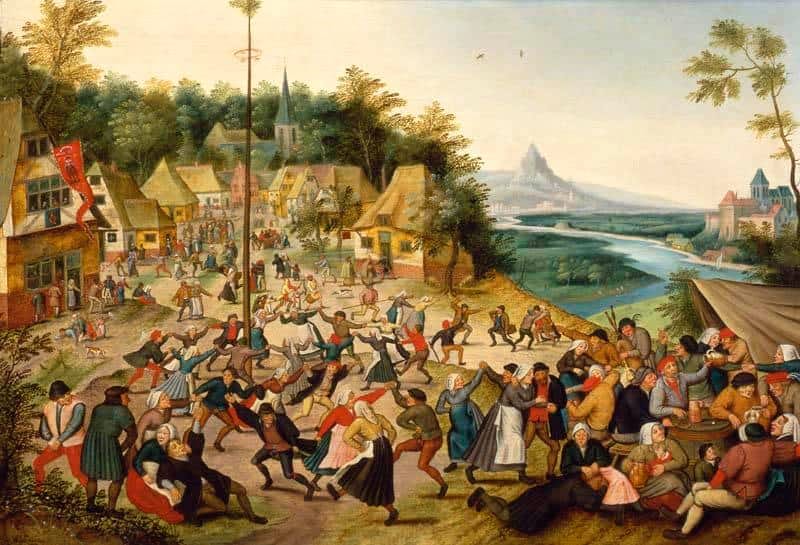
The average modern person enjoys comforts that a medieval king could never imagine. We have access to the best medical care and can communicate with people across the world in seconds. Food arrives at supermarkets regardless of the season and machines perform work that once required enormous physical effort. But these conveniences have also changed our relationship with the world. We can spend entire days indoors and consume endless information without producing anything tangible. We can live in the same building as dozens of people without knowing their names, while our entertainment is detached from the places where we live.
The medieval peasant offers a very different model of existence. Nobody should wish to recover the disease or legal dependency that characterized much of medieval rural life. But there are habits worth learning from a society in which people were closely connected to their work and the communities around them. Here is how to bring some of those habits into modern life..
Friendly reminder:
The Western Spirit exists because of readers like you. Join us and help keep this project alive and independent.
If you’ve been enjoying these essays, consider becoming a paid subscriber. For a few dollars a month, you’ll get:
Essays on brave men, and turning points in Western history
Reflections on faith, tradition, and culture
Full access to the growing archive - essays, book breakdowns, and deep dives
This project exists because readers like you make it possible.
1. Live by the Sun and the Seasons Instead of Your Phone
Continue reading below.