
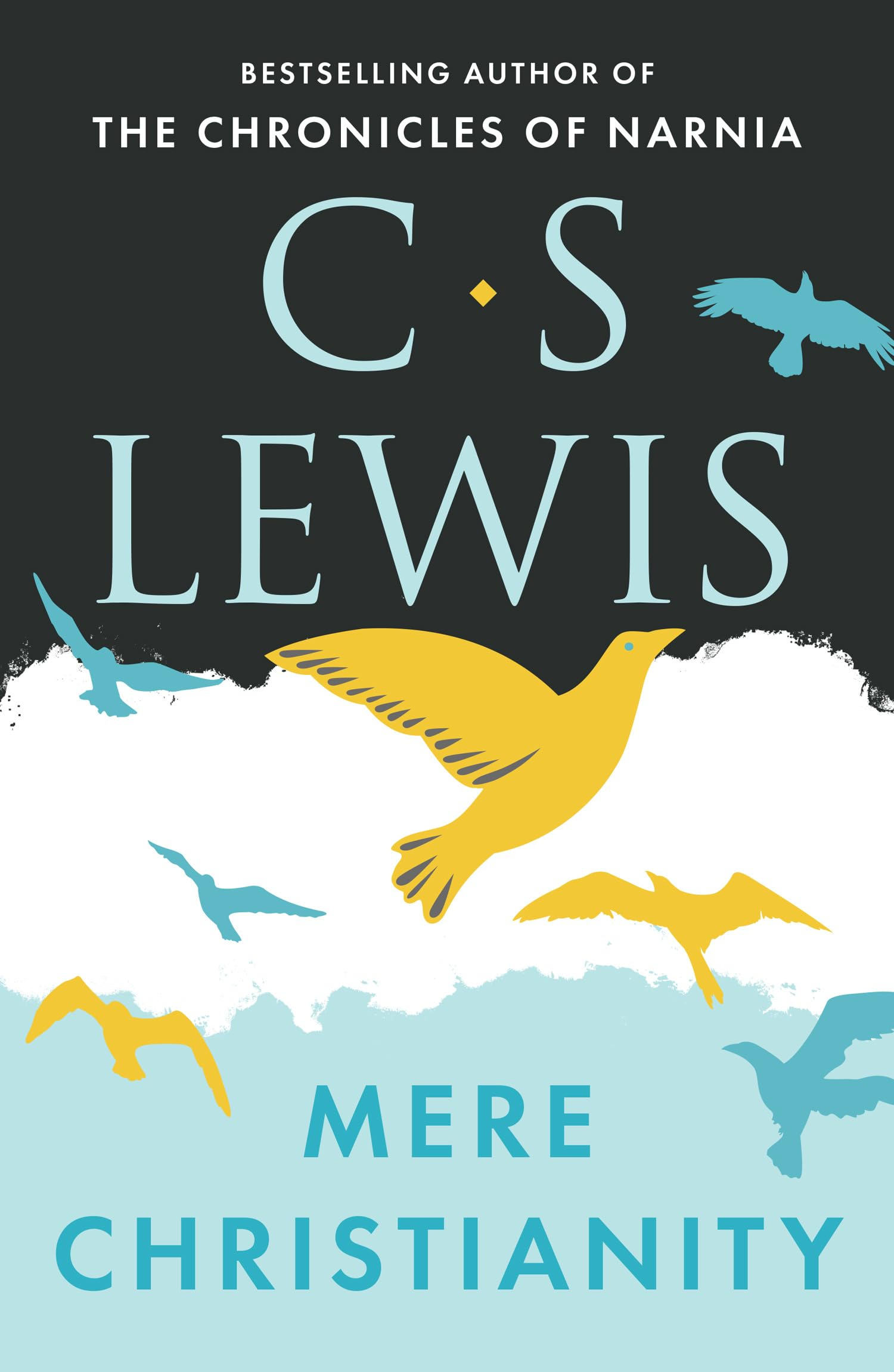
When C. S. Lewis began giving a series of short radio talks during the Second World War, he probably didn’t imagine they would become one of the most influential works of Christian thought in modern history.
England was under siege. Bombs fell on London nightly. People were anxious, exhausted, and unsure of what to believe in anymore. In that atmosphere, Lewis, a professor of literature at Oxford, stepped behind a microphone and spoke calmly about the existence of God, the moral law, and the meaning of life. He wasn’t a clergyman or a theologian. He was a man who had once been an atheist, who had wrestled with doubt and pride, and who had come to faith through reason and experience.
Those talks became Mere Christianity, published in 1952, a book that has never gone out of print and continues to change minds by the quiet force of its clarity.
The Western Spirit exists because of readers like you. We’re just one subscriber away from hitting 100 paid members — join us and help keep this project alive and independent.
If you’ve been enjoying these essays, consider becoming a paid subscriber. For a few dollars a month, you’ll get:
In-depth pieces on forgotten battles, brave men, and turning points in Western history
Reflections on faith, order, tradition, and the deeper meaning behind culture
Full access to the growing archive — essays, book breakdowns, and historical deep dives
This project exists because readers like you make it possible.
The Context
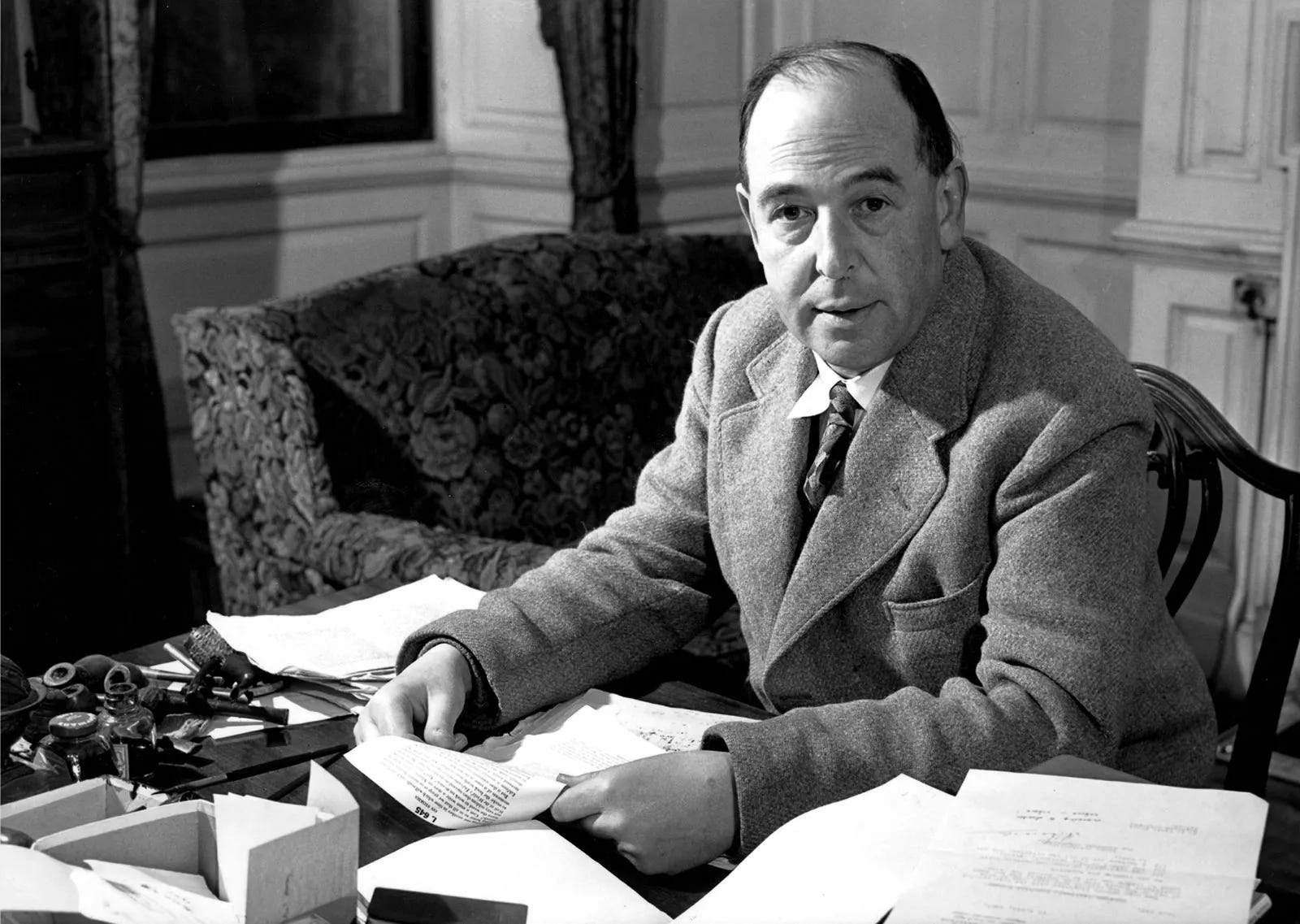
Lewis had served in the trenches of the First World War and had seen the brutality of modern life firsthand. He lost his mother at a young age, grew up in an environment of skepticism, and came to faith only after long resistance. His conversion in the early 1930s was not emotional but intellectual. He once said he was “the most dejected and reluctant convert in all England.” That reluctance shaped how he wrote. He didn’t speak down to unbelievers. He spoke as someone who had been one.
When the BBC invited him to give a series of wartime broadcasts on “the Christian faith,” Lewis wanted to explain Christianity without denominational divisions or church jargon. He called it “mere” Christianity… meaning the essential core that all Christians agree upon. He wasn’t trying to create a new version of the faith but to remind people what it actually is. He thought of Christianity as a house with many rooms. People might live in different rooms… Anglican, Catholic, Methodist… but the important thing was that they were inside the house. The hall that led to those rooms, he said, was mere Christianity.
The Law of Human Nature
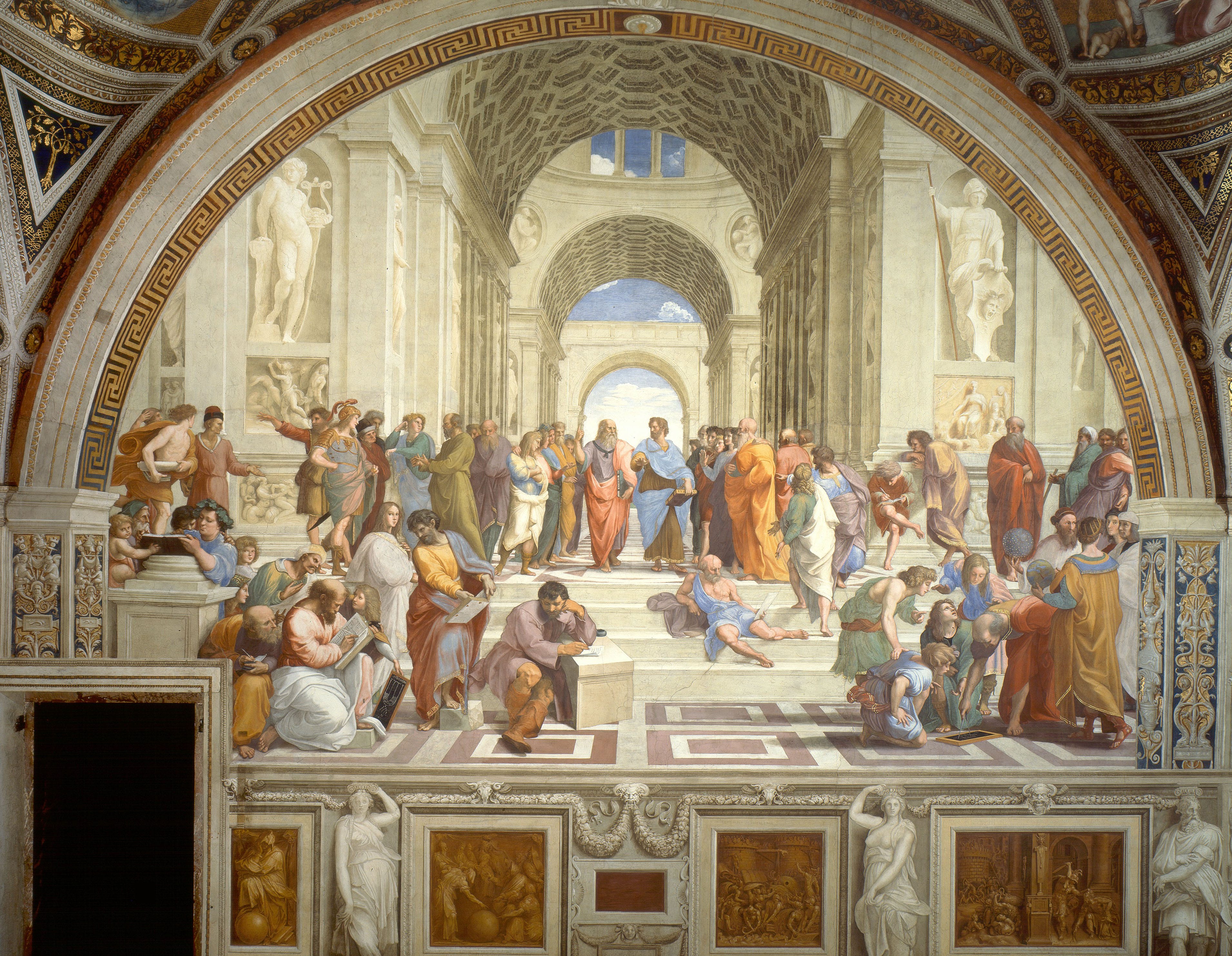
The book begins in an unexpected place… not with the Bible or theology but with observation. Lewis starts by noticing something simple: when people argue, they appeal to a shared standard. They say things like “that’s not fair” or “you promised.” Even when people disagree about what’s right, they all seem to believe there is such a thing as right. Lewis calls this the Law of Human Nature, or the Moral Law. It’s not a law of physics or chemistry. It’s a law about how humans ought to behave.
Lewis’s point is not that everyone obeys the law, but that everyone recognizes it. When we fail, we make excuses, which means we know we’ve fallen short. This moral awareness, he argues, can’t be explained by instinct or social convention alone. Instincts conflict. Cultures vary, but not infinitely… every society honors courage, justice, and honesty in some form. The Moral Law is like a compass built into the human mind. And a compass points somewhere. For Lewis, that “somewhere” is the mind of God.
This opening argument is one of the clearest moral proofs for the existence of God ever written. Lewis doesn’t try to scare readers into belief. He starts from their own experience. You know what it feels like to fall short of your own standards, he says. That feeling isn’t an accident of biology. It’s the sign of something beyond you… a law that judges you even when you wish it wouldn’t.
The Reality of Moral Failure
Once you accept that the Moral Law exists, another fact follows: we break it. No one lives up to their own ideals. The moment you admit that, you begin to see the human condition more clearly. Lewis calls it “the sense of sin,” though he means it in the most honest sense possible. The problem isn’t that humans are occasionally bad. The problem is that even when we want to be good, we fail.
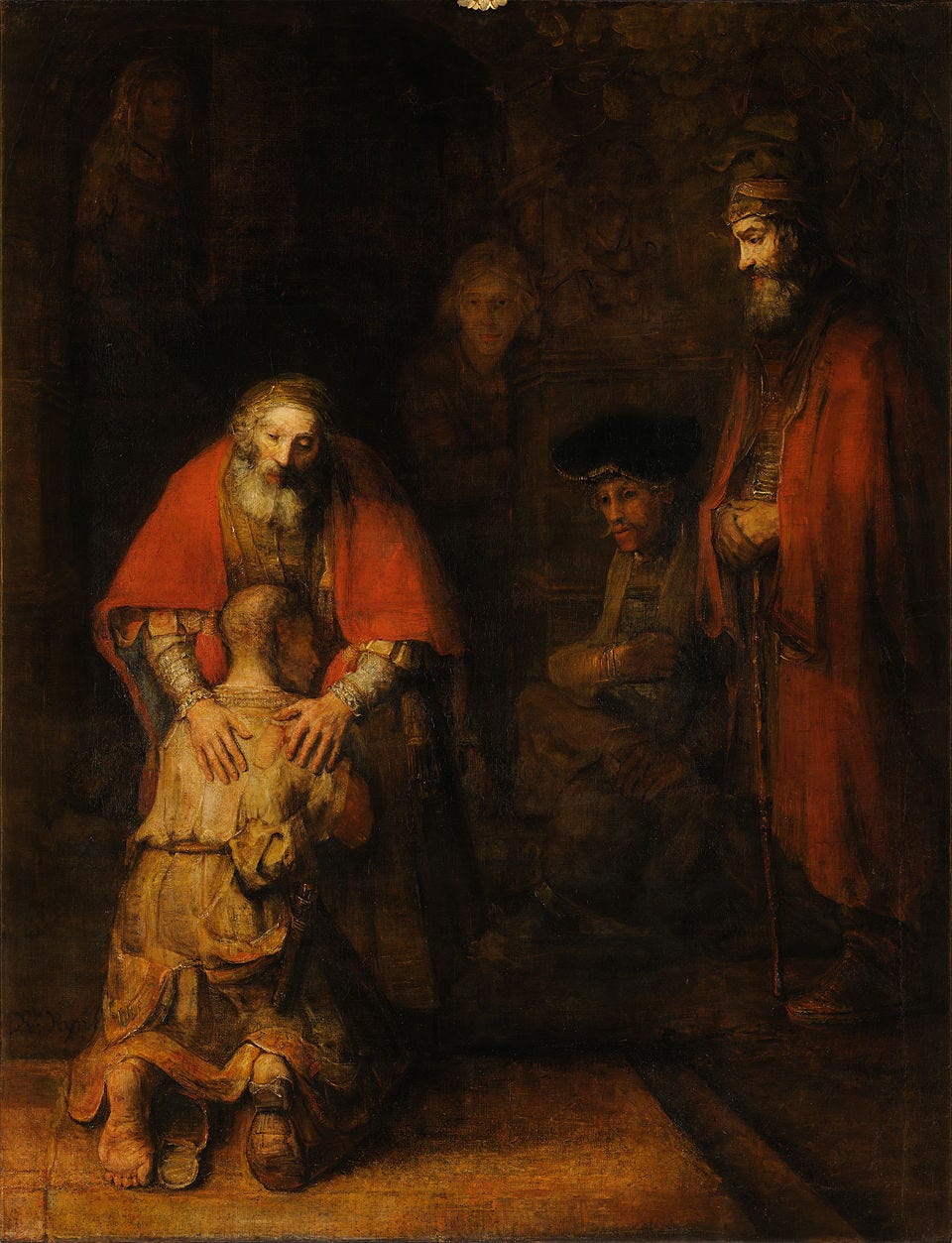
Modern people dislike that language. They prefer to talk about mistakes or flaws. But Lewis insists that what we’re dealing with is something deeper. The gap between what we ought to do and what we actually do reveals a fracture in the soul. Religion begins, he says, not in comfort but in confession… in the awareness that something inside us is off balance.
He compares the Moral Law to a piano score and human nature to the player. The sheet music doesn’t change when we hit the wrong note. The standard is outside us, which is why guilt hurts. That pain is a clue. It means we are moral beings who long for harmony but cannot create it on our own. Lewis is not condemning humanity but diagnosing it. He wants readers to see that the world’s brokenness begins in the heart.
The Nature of God
After leading readers to the idea of a moral order, Lewis asks what kind of being could be behind it. A material universe can’t produce a moral law any more than stones can produce justice. The law feels personal because it comes from a person. Lewis’s argument builds carefully toward the idea that there must be a moral mind behind the universe… not just an impersonal force, but something that wants us to act rightly.
At this point, Lewis addresses the problem of evil. If there is a good God, why is the world full of suffering? His answer is both logical and compassionate. God created creatures capable of love, and love requires freedom. Freedom allows for the possibility of rebellion. The world we live in is one where that rebellion has happened. Evil, he says, is not a rival power but a corruption of good… like rust on metal or rot in fruit. You can have goodness without evil, but not evil without goodness.
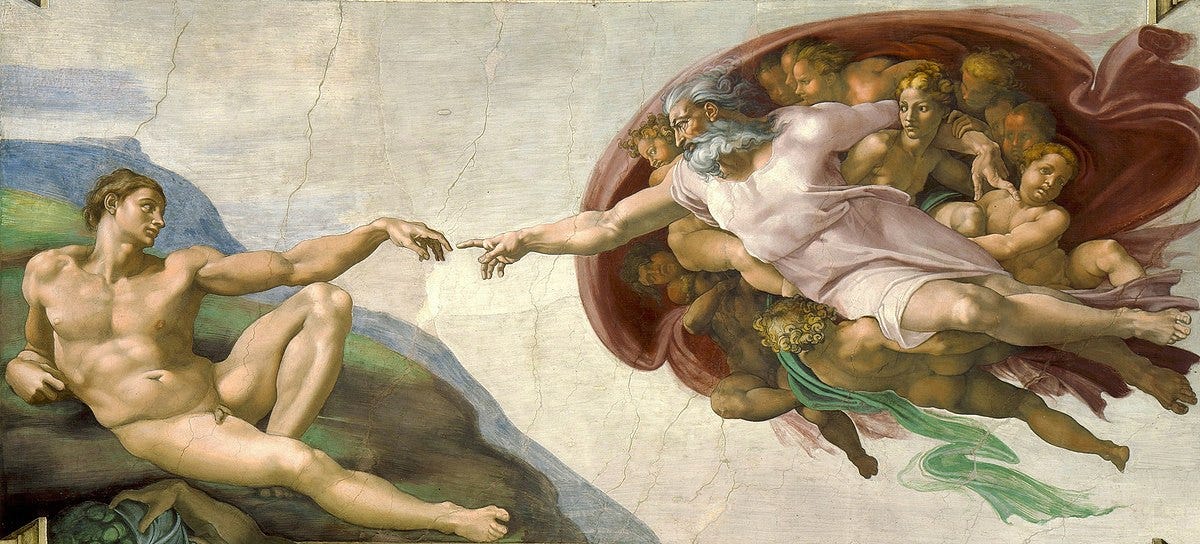
What’s striking about this section is how calmly Lewis writes. He doesn’t try to explain away pain. He acknowledges it. He says that the Christian story does not deny the horror of the world. It explains why the horror hurts so much: because the world was meant to be better.
The Invasion
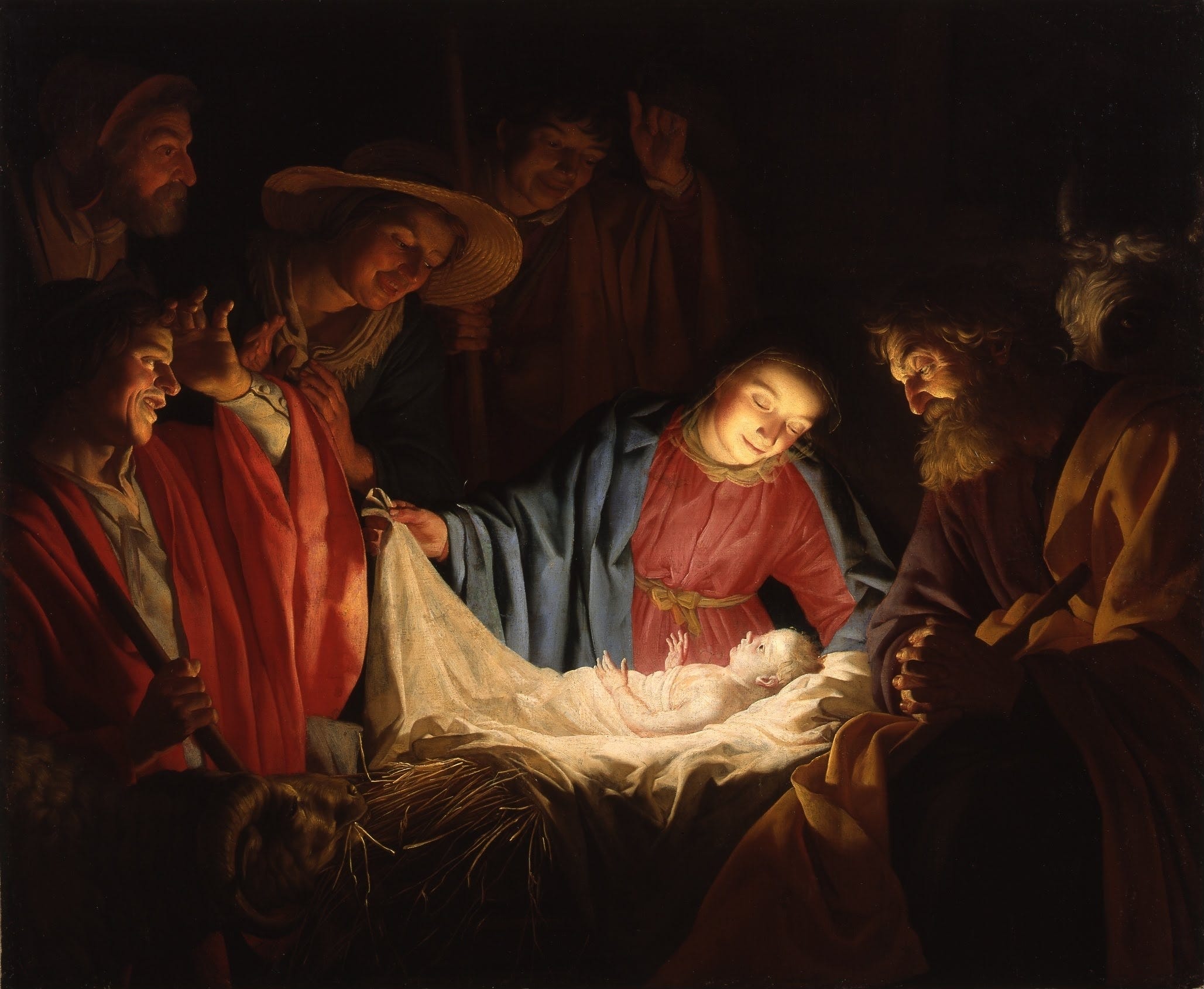
One of Lewis’s most memorable metaphors is the image of Christianity as an invasion. The world, he says, is occupied territory. We live in a universe where the rightful King has landed, but not everyone recognizes Him yet. Christianity is the news that this invasion has already begun, not with armies but with a child in Bethlehem.
For Lewis, the Incarnation… God becoming man… is the center of everything. It’s the moment when the author of the story steps onto the page. He sees it not as a myth among others but as the one myth that became fact. Every human longing for heroism, sacrifice, and redemption finds its answer in this event.
Lewis also makes a point that surprises modern readers: Christianity is not about moral improvement in the usual sense. It’s not self-help. It’s a revolution in being. The goal isn’t to become a nicer person but a new kind of person. God’s plan, he says, is to turn creatures into sons… to share His own life with them. That transformation, which theologians call sanctification, is gradual and costly. It involves surrendering control, allowing the divine life to work through you.
Lewis’s metaphor for this is simple but unforgettable: if you let God, He will make you “a little Christ.” That is the meaning of the name Christian.
Christian Behavior
In the second half of the book, Lewis turns from theology to ethics. The Christian moral life, he says, can be summarized in three virtues: faith, hope, and charity… with charity meaning love in its fullest sense. But before that, he describes what he calls the “cardinal virtues”: prudence, temperance, justice, and fortitude.