

Every generation inherits two kinds of books. There are the ones everyone cites… the “classics” that fill syllabi and bestseller lists. And then there are the others: the books people quietly ignore because they are too blunt, too unfashionable, or too honest about uncomfortable truths.
The first kind makes you look cultured. The second kind makes you see the world differently.
When it comes to Europe’s struggle for its soul, the forgotten books are the ones that matter most. They tell you not only how Christendom rose, but what threatened to destroy it, and why those threats haven’t gone away. Writers like Hilaire Belloc and Raymond Ibrahim never softened their message: Europe without the Faith is defenseless, and Islam has always been the rival civilization at the gate.
Here are five works that deserve a place on your shelf if you want to understand Christendom’s past and its future…
The Western Spirit exists because of readers like you. Join us and help keep this project alive and independent.
If you’ve been enjoying these essays, consider becoming a paid subscriber. For a few dollars a month, you’ll get:
In-depth pieces on forgotten battles, brave men, and turning points in Western history
Reflections on faith, order, tradition, and the deeper meaning behind culture
Full access to the growing archive — essays, book breakdowns, and historical deep dives
This project exists because readers like you make it possible.
1) Hilaire Belloc, The Great Heresies (1938)
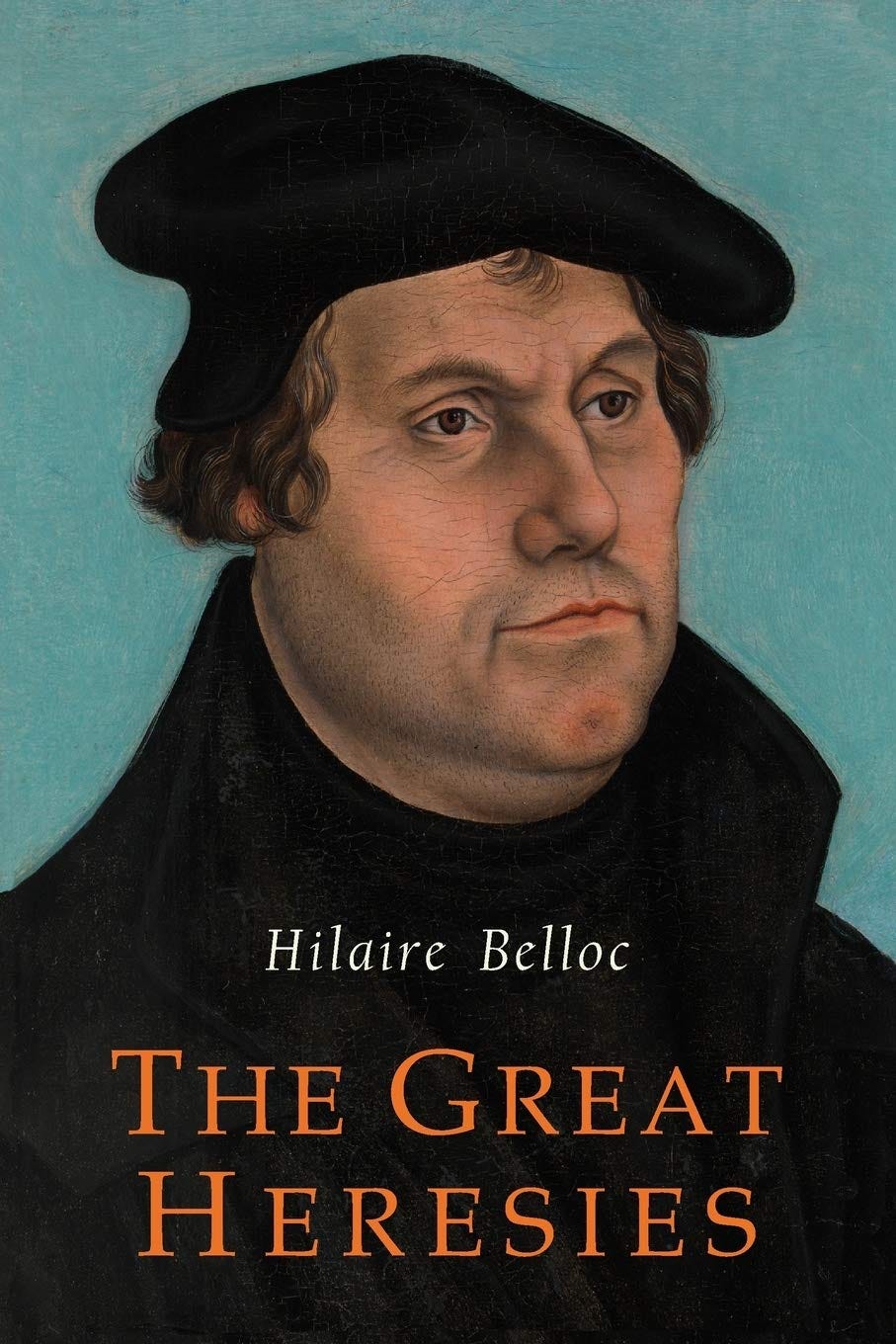
People usually think of Belloc for his essays or for Europe and the Faith. But his boldest book is The Great Heresies. In it he describes five forces that broke apart Christendom: Arianism, Islam, the Albigensians, the Reformation, and Modernism.
What makes the book striking is the plainness. Belloc says outright that Islam is “the most formidable and persistent enemy our civilization has had,” and predicts it will rise again. He wrote this in 1938, when Islam looked weak and the Ottoman Empire was gone. People laughed at him for it. Eighty years later it feels less like a mistake than a headline.
This is Belloc at his clearest. Broad, absolute, and sure that Europe is more than land. It is faith.
2) Raymond Ibrahim, The Sword and Scimitar: Fourteen Centuries of War between Islam and the West (2018)
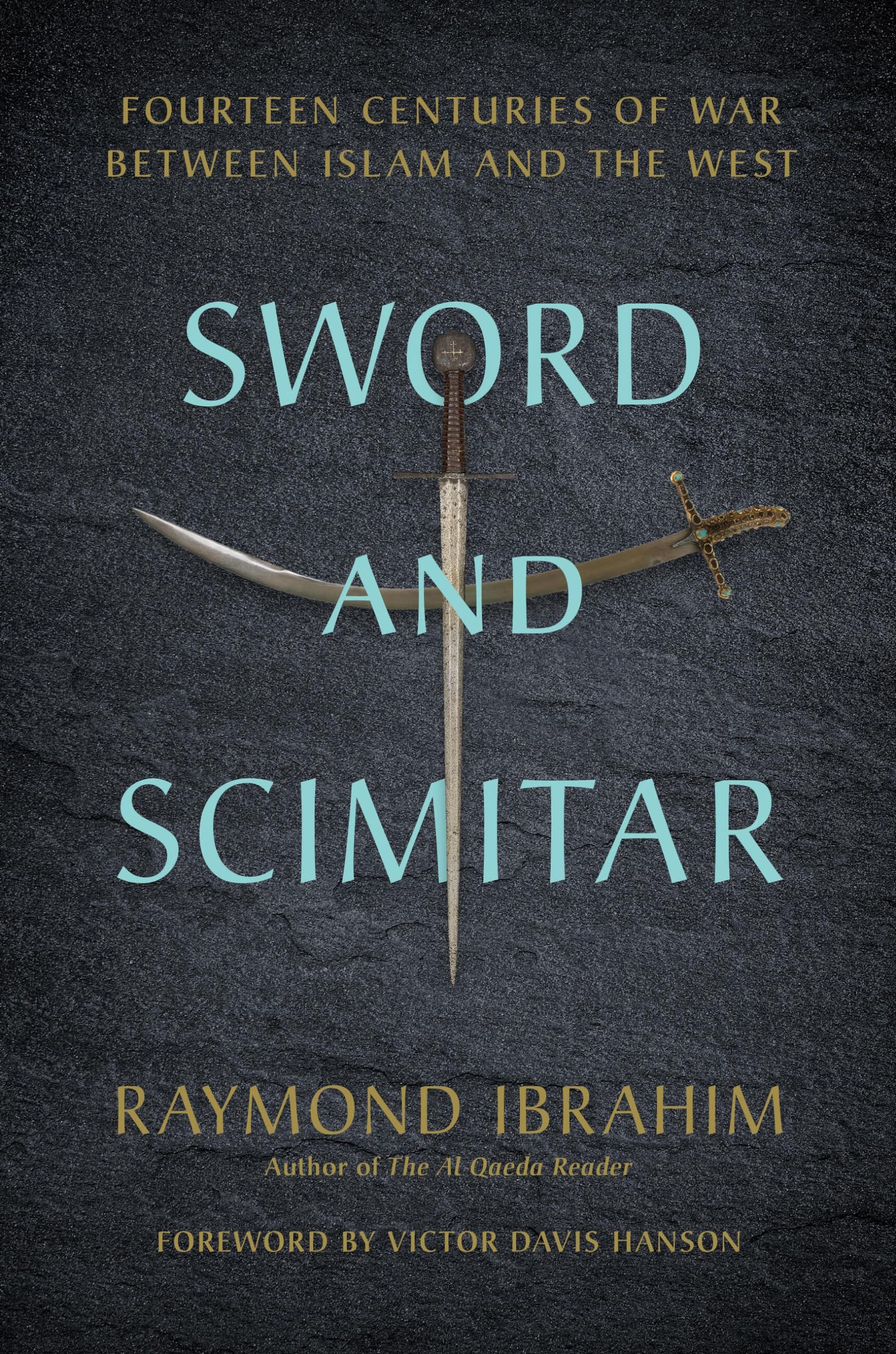
Ibrahim is best known as a contemporary analyst of jihad, but his Sword and Scimitar is the book that deserves more attention. It is one of the few modern works to tell the entire 1,400-year story of conflict between Islam and Christendom in one narrative, from Yarmouk in 636 to the Siege of Vienna in 1683.
Ibrahim doesn’t just recount battles. He shows the continuity of a civilizational struggle. He makes the point Belloc made: Islam was never just a religion but a rival civilization, pressing against Europe century after century.
This is the kind of book people think doesn’t exist anymore: narrative history that takes sides, makes moral judgments, and reminds readers that civilizations clash for reasons deeper than economics.
3) Henri Daniel-Rops, The Catholic Reformation (1949)
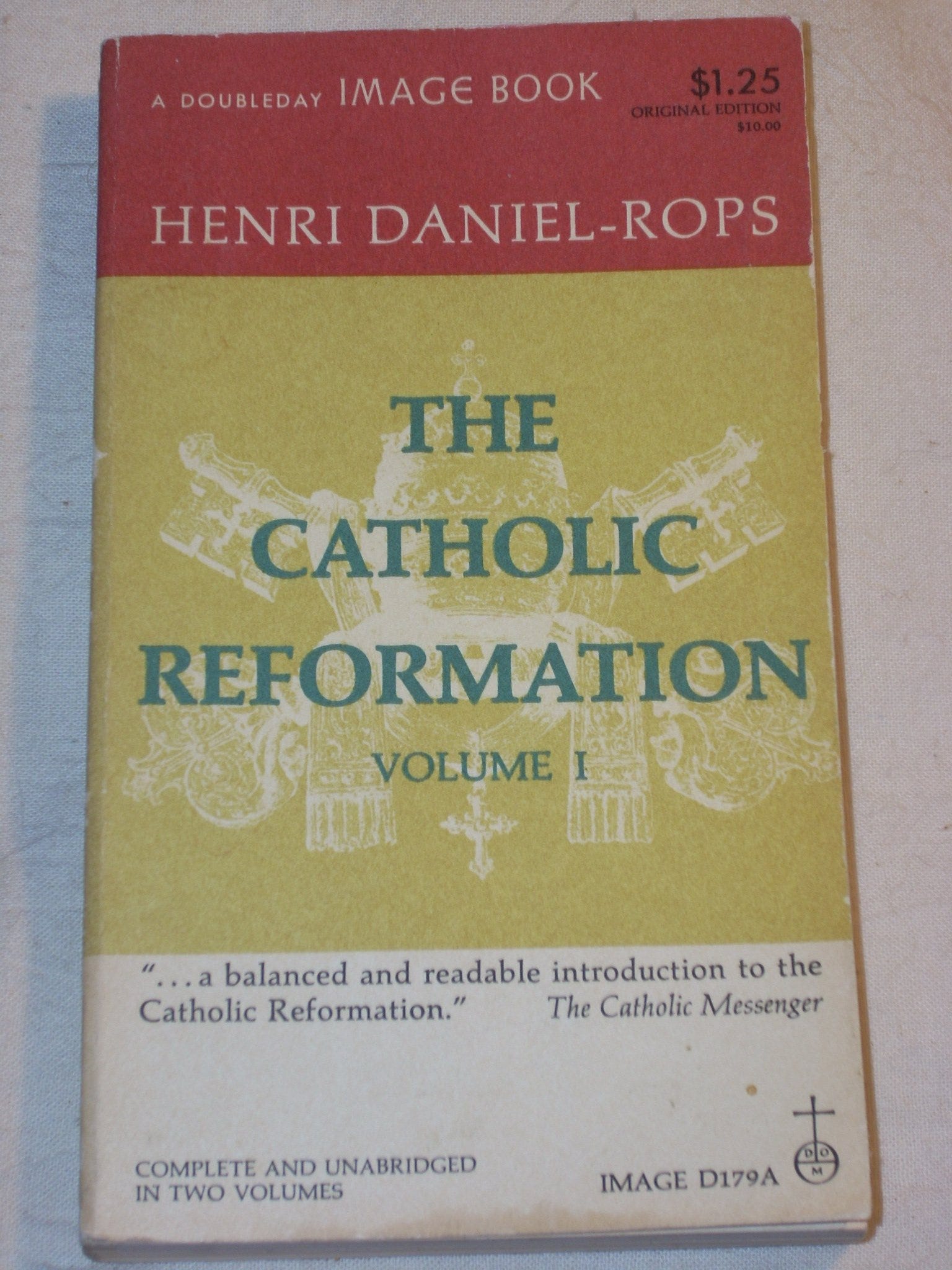
Daniel-Rops is one of those names most modern readers have forgotten, but his multivolume History of the Church of Christ is one of the great Catholic histories of the 20th century. His The Catholic Reformation is a neglected gem.
While most histories focus on the Protestant Reformation, Daniel-Rops reminds us that the Catholic response was not decline but renewal. Seminaries, new orders, missionary zeal, and cultural rebirth all came out of this period. And at the same time, Catholic Europe was fighting Islam at Lepanto and Vienna.
Daniel-Rops writes with the clarity of a novelist and the conviction of a Catholic historian. If Belloc is the thunder, Daniel-Rops is the steady flame.
4) Paul Johnson, A History of Christianity (1976)
Johnson is remembered for Modern Times or A History of the Jews, but his History of Christianity is an underrated work that deserves revival. Written in his brisk, journalistic style, it doesn’t shy away from the conflicts that defined the Faith, including the long struggle with Islam.
Unlike many academic historians, Johnson never hides behind neutrality. He writes with judgments, sometimes severe ones, but always with an eye to the big picture: Christianity as the shaping force of the West.
Reading it alongside Belloc is fascinating… two English Catholics a generation apart, both convinced that Europe without faith is nothing.
5) Régine Pernoud, Those Terrible Middle Ages! (1977)
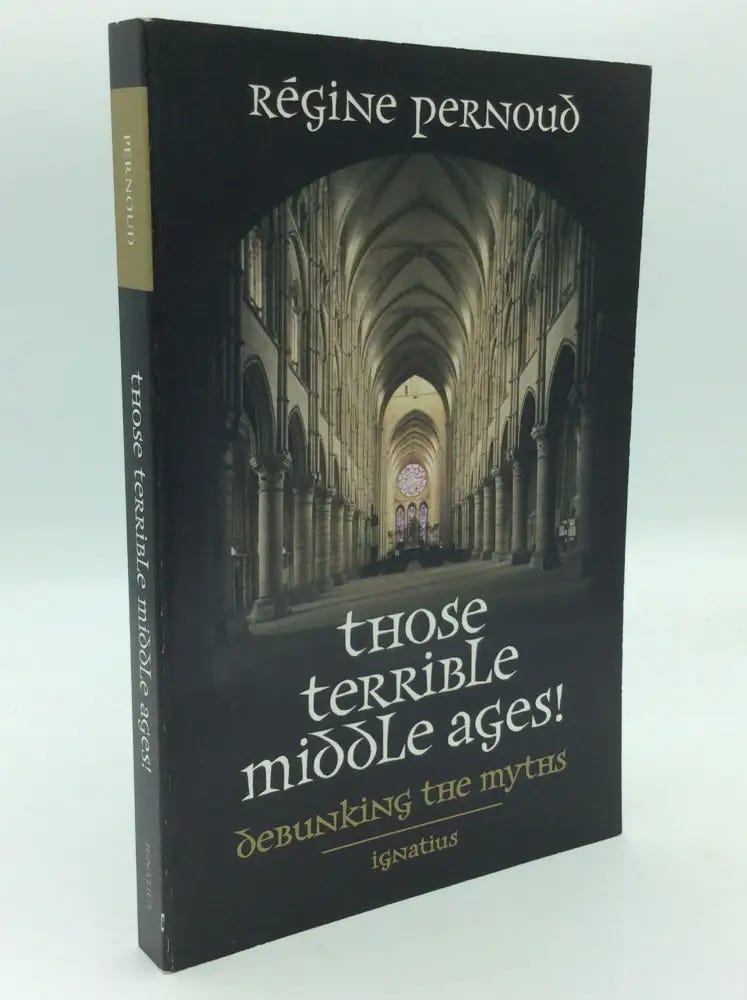
The title is tongue-in-cheek. Pernoud’s short, witty book dismantles the myths of the so-called “Dark Ages.” Far from being a time of superstition and ignorance, she shows medieval Europe as a vibrant, faith-driven civilization that built universities, cathedrals, and the foundations of modern law.
Why include it here? Because Pernoud’s point overlaps with Belloc’s: if you lose the Faith, you lose the civilization that built Europe. And her defense of medieval Christendom naturally highlights the constant presence of Islam as the rival on the frontier.
Where Belloc thundered, Pernoud explained. But the conclusion is the same: Christendom matters, and without it, Europe collapses.
What to Take from These Books
What unites Belloc, Ibrahim, Daniel-Rops, Johnson, and Pernoud is conviction.
They are willing to say what most modern historians avoid:
- That civilizations have souls, and Europe’s soul is Christianity.
- That Islam is not a passing episode but a great rival.
- That secularism is not a “neutral ground” but a slow death.
If you want to understand, “Europe is the Faith, and the Faith is Europe,” these five books are where to start.
Remember, you can support The Western Spirit and get premium content every week — deep dives into the battles, books, and ideas that shaped our civilization.
Paid readers can access our entire archive of premium essays right here.
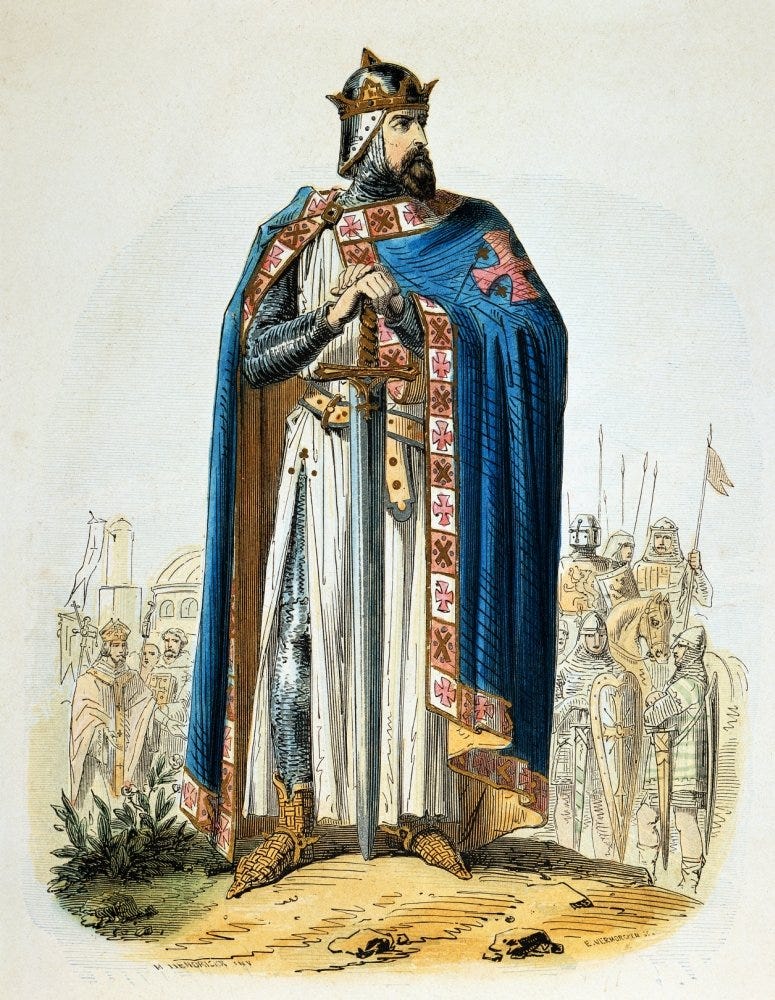
Inside, you’ll find the stories of Christian heroes such as Ferdinand III, Godfrey of Bouillon, and King Don Pelayo — men who stood firm when the fate of the West hung in the balance.
Just curious are you a Roman Catholic?
I agree that faith is of upmost importance and that secularism has proven to be Europe's downfall. However, I'm disturbed by the erasure of Judaism in the discussion. Jesus was a Jew and well educated in the ethical and moral foundations provided in the Tanakh. The laws found wirhin were the templates for the evolution of Western society. We're still here and others have passed.