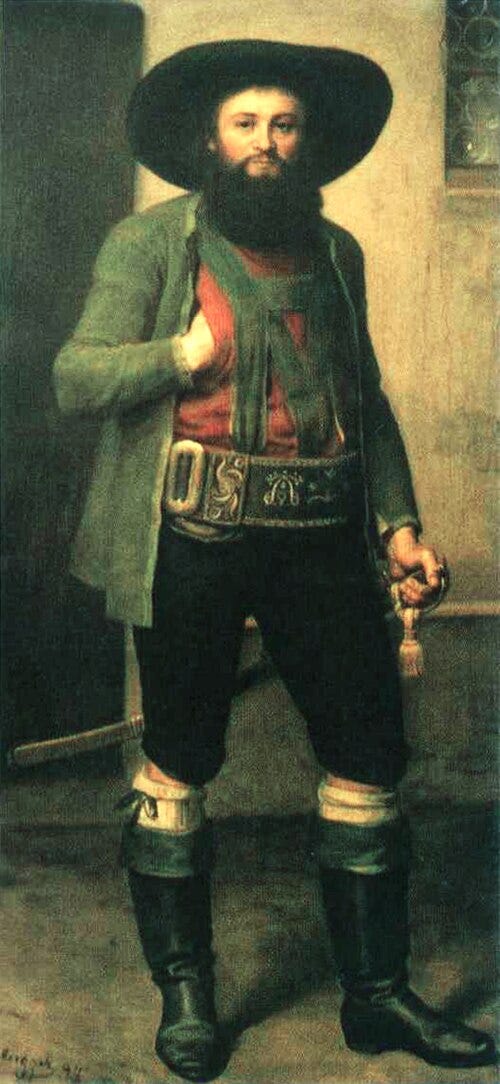
Born in 1767, Hofer spent most of his life doing ordinary things. He ran the Sandhof Inn in the Passeier Valley, traded cattle and horses, raised a family, and attended Mass. Visitors described him as large, energetic, deeply religious, and gifted with the sort of natural authority that cannot be taught, the kind that causes people to trust a man.
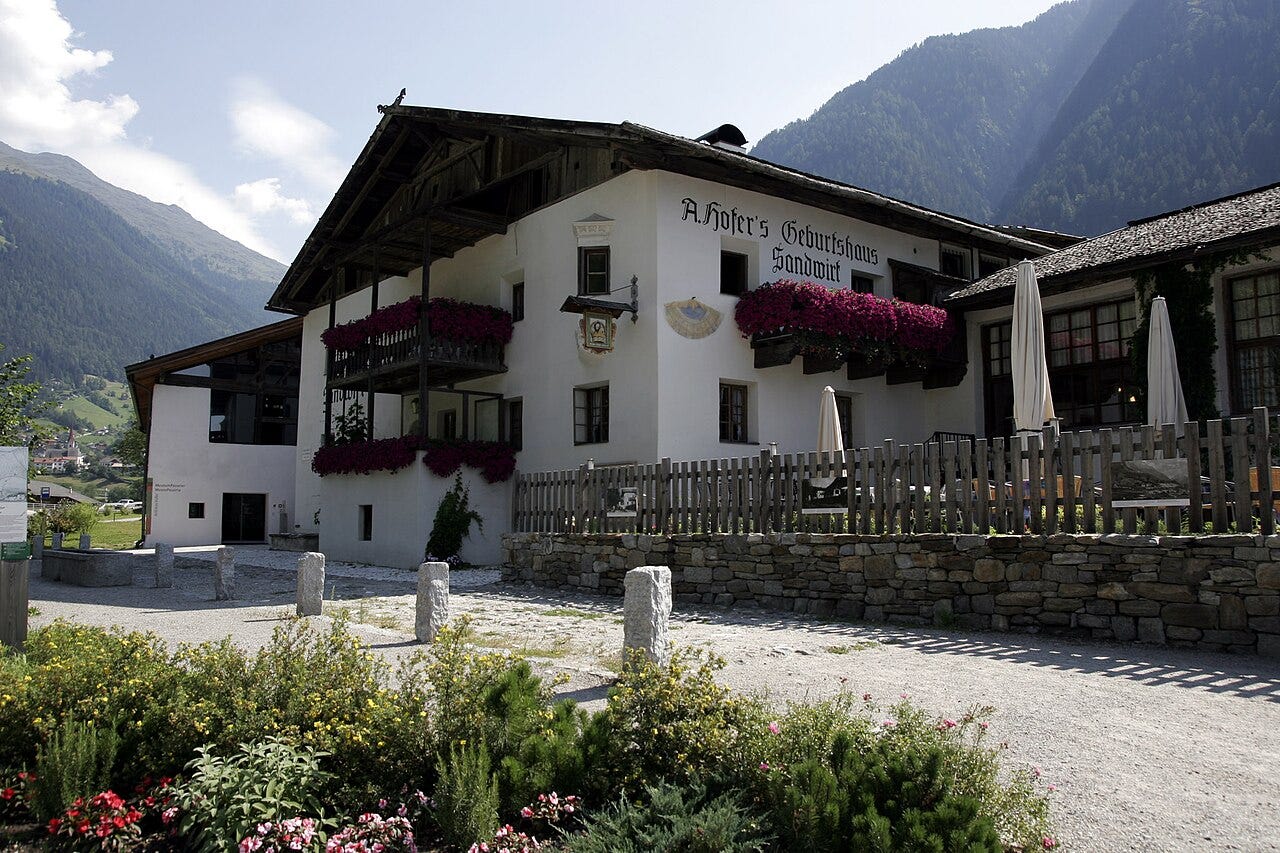
Nothing about his early life suggested that future generations would remember him. He commanded no army, possessed no title, and held no position that placed him near the great events shaping Europe.
The French Revolution had shattered old assumptions across Europe, and Napoleon Bonaparte now stood at the center. Kingdoms collapsed before his armies. Borders shifted repeatedly. Ancient institutions disappeared. Entire regions found themselves governed by new rulers.
For the people of the Tyrol, these changes felt personal because their identity rested upon three things above all else: their Catholic faith, their local traditions, and their loyalty to the Habsburg monarchy. Those loyalties were woven together so tightly that attacking one often felt like attacking all three, and when Napoleon’s victories eventually reached the Alps, many Tyroleans concluded that exactly such an attack was underway..
When Napoleon Came for Tyrol
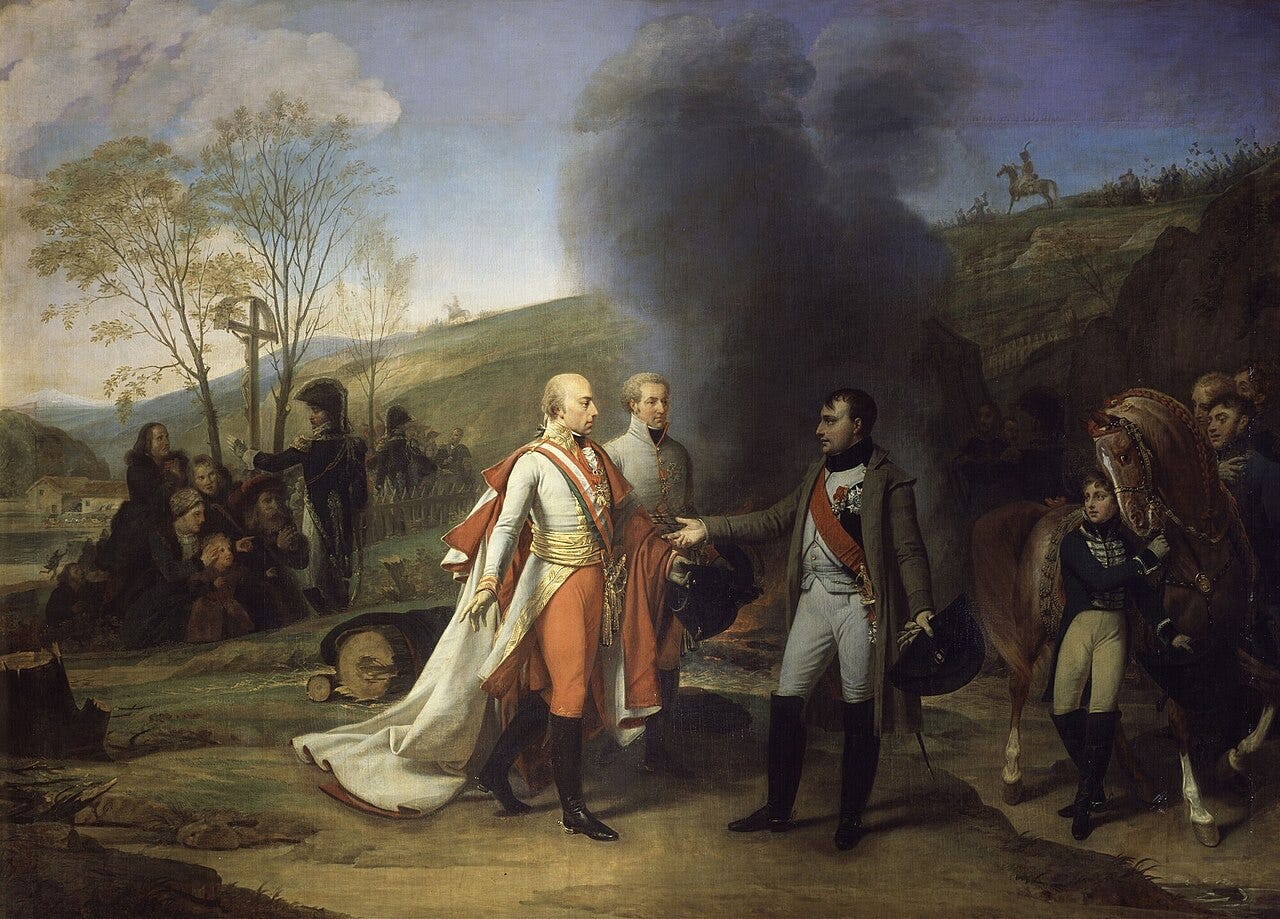
The turning point arrived after Austria suffered another defeat at Napoleon’s hands. Under the terms of the Treaty of Pressburg in 1805, Tyrol passed from Austrian control to Bavaria, one of Napoleon’s most important allies. To diplomats sitting around negotiating tables, this looked like a routine territorial adjustment. To the people living among the mountains, it felt like strangers had suddenly taken possession of their home.
The new Bavarian authorities introduced reforms that quickly generated resentment. Traditional local privileges disappeared. Administrative systems changed. Conscription threatened young men who felt little desire to fight in distant wars. Religious life came under increasing pressure as monasteries faced restrictions and long-established customs encountered growing interference from officials who viewed many local traditions as obstacles to modernization.
The conflict reached deeper than politics because Tyroleans saw their faith as the foundation of community life. Churches stood at the center of villages. Religious festivals organized the calendar. Priests often served as the most respected figures in entire regions. When government policies appeared to challenge that world, opposition spread rapidly.
Throughout the mountains, conversations began taking place in farmhouses, inns, churches, and village squares. News traveled along old trading routes and mountain paths. Priests spoke with local leaders. Messengers carried information between valleys. Gradually a network emerged, linking communities that shared the same concerns and the same determination.
Andreas Hofer found himself near the center of these developments because people trusted him. He spoke plainly. He shared their beliefs. He understood their frustrations. Most importantly, he seemed entirely free of personal ambition. Villagers saw one of their own rather than a politician seeking advancement, and that distinction mattered enormously in a society where trust was more valuable than rank.
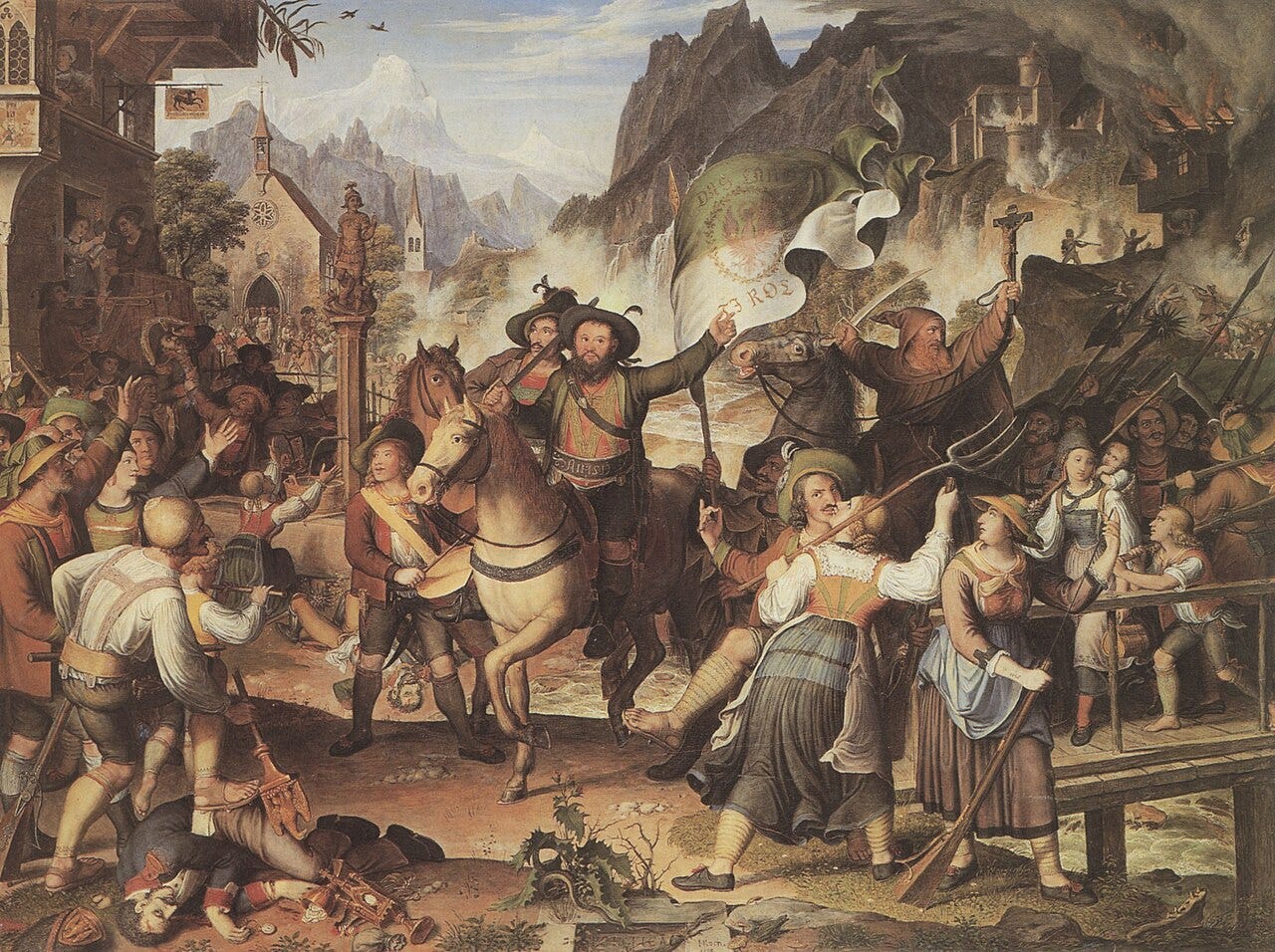
By 1809, when Austria launched another war against Napoleon, preparations throughout Tyrol were already underway. The mountains were ready.
The Peasants Who Defeated an Empire
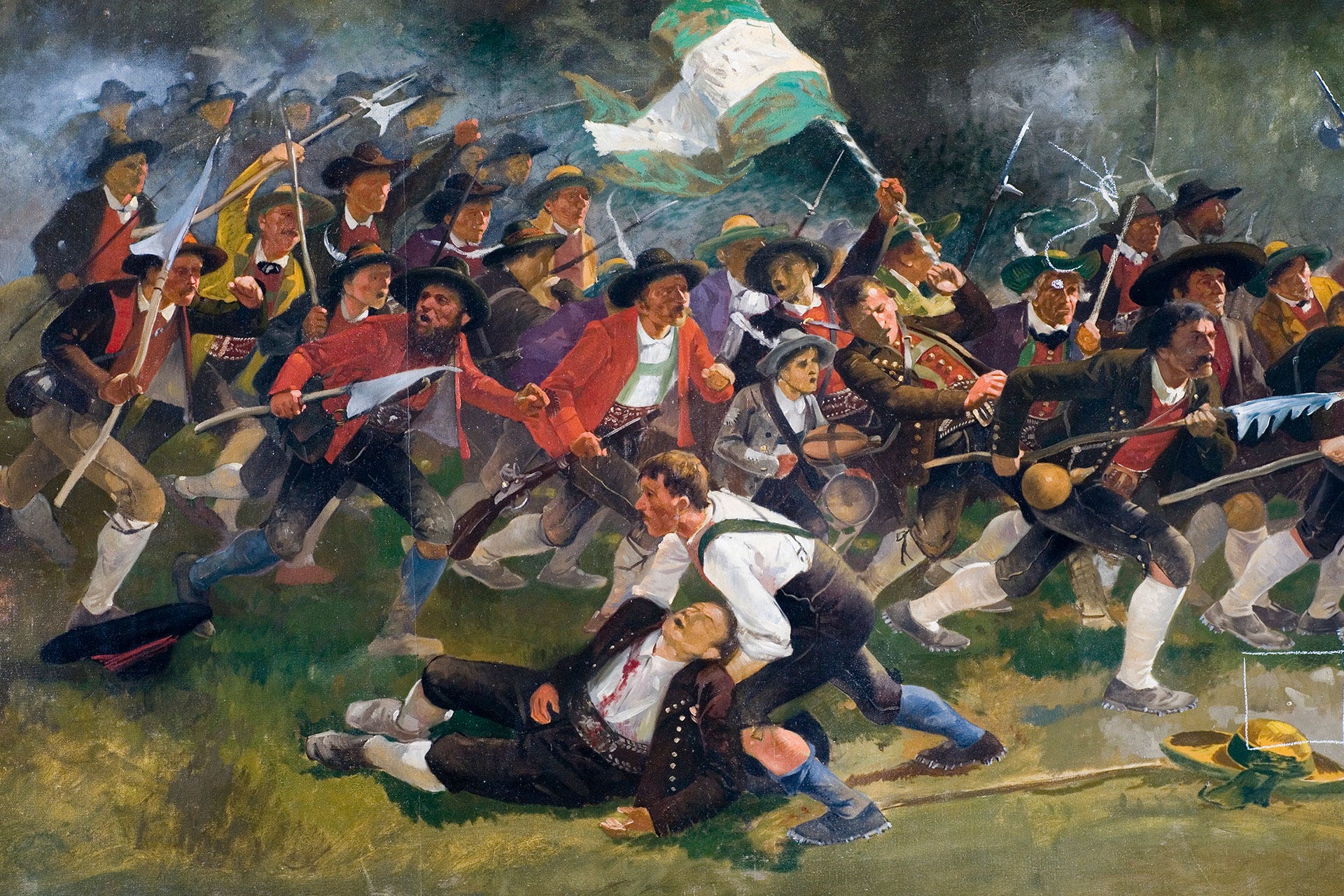
When the uprising began, thousands of ordinary people answered the call. Farmers left their fields. Hunters carried their rifles into the mountains. Tradesmen abandoned workshops. Innkeepers became organizers. Villages mobilized with astonishing speed, creating a resistance movement unlike anything Napoleon’s commanders expected to encounter.
The rebels possessed obvious disadvantages. They lacked formal training. They lacked artillery. They lacked the resources available to professional armies. Yet they possessed something equally important: they knew the mountains intimately.
Every path, ridge, forest, valley, and pass belonged to a landscape they had spent their entire lives navigating. French and Bavarian troops moving through the region discovered that conventional military superiority meant less than expected when confronting opponents who understood the terrain better than anyone else.
Columns came under attack from hidden positions. Supply lines became vulnerable. Communications grew unreliable. Entire detachments found themselves isolated.
The struggle reached its most famous moments around Innsbruck and the heights of Bergisel. There, the Tyroleans repeatedly confronted professional armies representing the most successful military system in Europe. Napoleon’s forces had defeated coalition after coalition across the continent. Their victories seemed endless. Yet in the mountains of Tyrol they encountered resistance that refused to behave according to expectations.
![Andreas Hofer: Der umstrittene Freiheitskämpfer aus Tirol - [GEO]](https://substackcdn.com/image/fetch/$s_!0-LK!,f_auto,q_auto:good,fl_progressive:steep/https%3A%2F%2Fsubstack-post-media.s3.amazonaws.com%2Fpublic%2Fimages%2Fde617d22-452e-4fba-a1e3-a62aa72b1d26_1440x1080.jpeg "Andreas Hofer: Der umstrittene Freiheitskämpfer aus Tirol - [GEO]")
Again and again the rebels fought.
Again and again they returned.
Again and again they surprised commanders accustomed to imposing their will on opponents.
The victories at Bergisel became famous throughout Europe because they offered something people desperately wanted to believe: proof that Napoleon’s empire was not invincible. Newspapers carried reports of mountain peasants defeating professional soldiers. Observers described the uprising with fascination. Across Europe, many saw in the Tyroleans a symbol of local communities defending their traditions against overwhelming power.
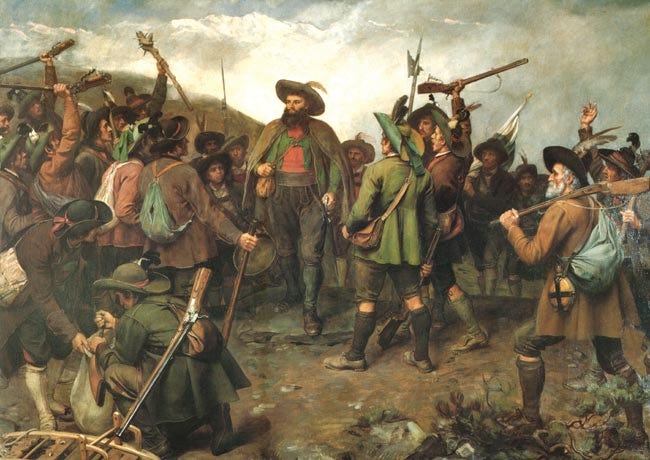
At the center of it all stood Andreas Hofer, who became the public face of the rebellion despite never seeking that role for himself. His reputation spread far beyond the Alps, turning an innkeeper into one of the most recognizable resistance leaders in Europe.
Friendly reminder: The Western Spirit exists because of readers like you. Join us and help keep this project alive and independent.
If you’ve been enjoying these essays, consider becoming a paid subscriber. For a few dollars a month, you’ll get:
In-depth pieces on forgotten battles, brave men, and turning points in Western history
Reflections on faith, order, tradition, and the deeper meaning behind culture
Full access to the growing archive — essays, book breakdowns, and historical deep dives
This project exists because readers like you make it possible.
Faith, Betrayal, and Death
To understand why Hofer became such a powerful symbol, it is impossible to separate the rebellion from religion. Modern accounts sometimes describe the uprising primarily through the language of nationalism, yet contemporary sources repeatedly emphasize faith. Church bells carried messages across valleys. Priests encouraged resistance. Religious processions accompanied gatherings. Crucifixes appeared alongside weapons. Participants viewed themselves as defending a Christian way of life as much as a political cause.
Hofer shared that perspective completely. He attended Mass whenever circumstances allowed. He sought spiritual advice before major decisions. He interpreted events through a deeply Catholic worldview that shaped everything from his leadership style to his willingness to continue fighting when success seemed increasingly unlikely.
For a brief period, it appeared the rebellion might succeed. Innsbruck fell into rebel hands. French and Bavarian forces suffered repeated setbacks. Confidence spread throughout the mountains. Yet the fate of Tyrol ultimately depended upon events occurring far beyond its borders..