
The story of the crucifixion and resurrection is the center of the Bible. Everything before points toward it, and everything after flows out of it. Without it, the faith would be nothing more than a collection of laws, songs, and teachings. With it, the entire world is changed.
It is strange that the most important story in history is also one of the simplest. A man is arrested, tried, condemned, executed, buried, and then, raised from the dead. That is the outline. Yet in those events lie the deepest themes of human life: betrayal, fear, injustice, suffering, silence, death, forgiveness, and hope.
The story does not just tell us about the past. It also acts as a mirror. It shows us what power looks like, what weakness looks like, what love looks like, and what the human heart does when it is confronted with both evil and mercy.
Let us walk through the story in order, and then reflect on why it has never gone away…
Reminder: The Western Spirit is a reader-supported publication. We are very close to 97/100 paid subscribers!
If you’ve been enjoying these essays, consider becoming a paid subscriber. For a few dollars a month, you’ll get:
In-depth pieces on forgotten battles, brave men, and turning points in Western history
Reflections on faith, order, tradition, and the deeper meaning behind culture
Full access to the growing archive — essays, book breakdowns, and historical deep dives
This project exists because readers like you make it possible.
The Last Supper
It begins in an upper room in Jerusalem. Jesus gathers with his disciples to celebrate the Passover meal. For centuries, the Jews had remembered how God had brought them out of Egypt. They ate bread without yeast, drank wine, and remembered the lamb whose blood had marked their doors so that death passed over them.
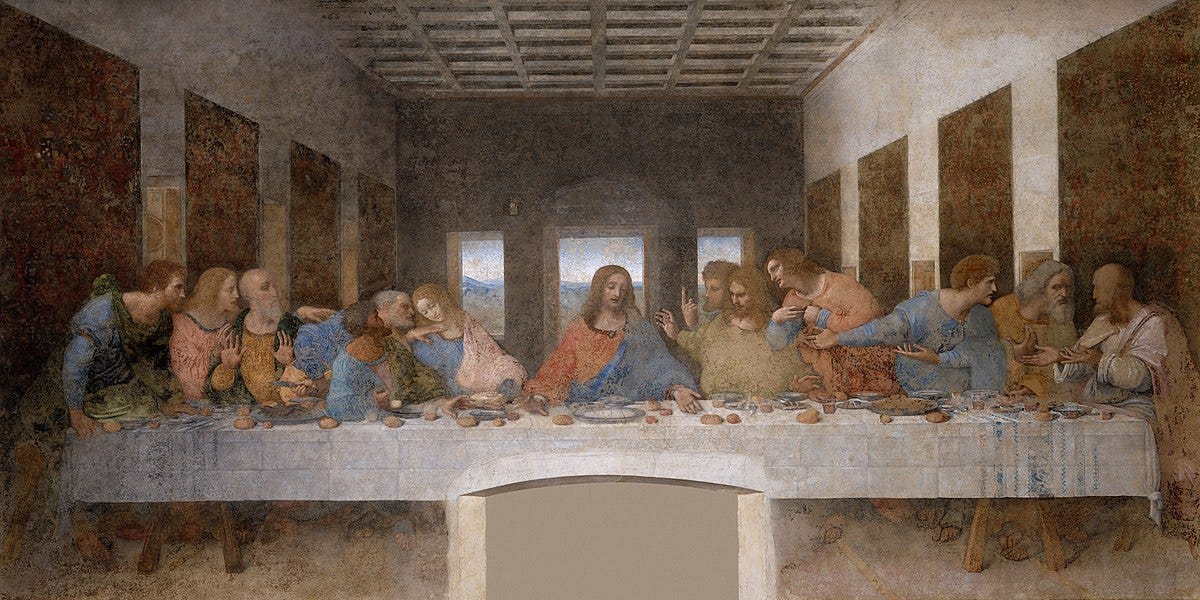
But this meal was different. Jesus broke the bread and said it was his body. He lifted the cup and said it was his blood. He was saying that he himself was the lamb. Not a symbol, not a ritual, but a real sacrifice about to happen.
The disciples did not understand. They were arguing about who was the greatest. One of them, Judas, had already agreed to betray him. Jesus knew this and still washed his feet, an act so lowly that even slaves avoided it. This was the strange way Jesus led: by stooping down, not by climbing up.
After the meal they went out into the night, singing psalms as they walked to the Mount of Olives.
The Garden
In the garden of Gethsemane, Jesus prayed. He told his disciples to stay awake, but they fell asleep. He asked God if the cup of suffering could pass from him, but ended by saying, not my will but yours be done.
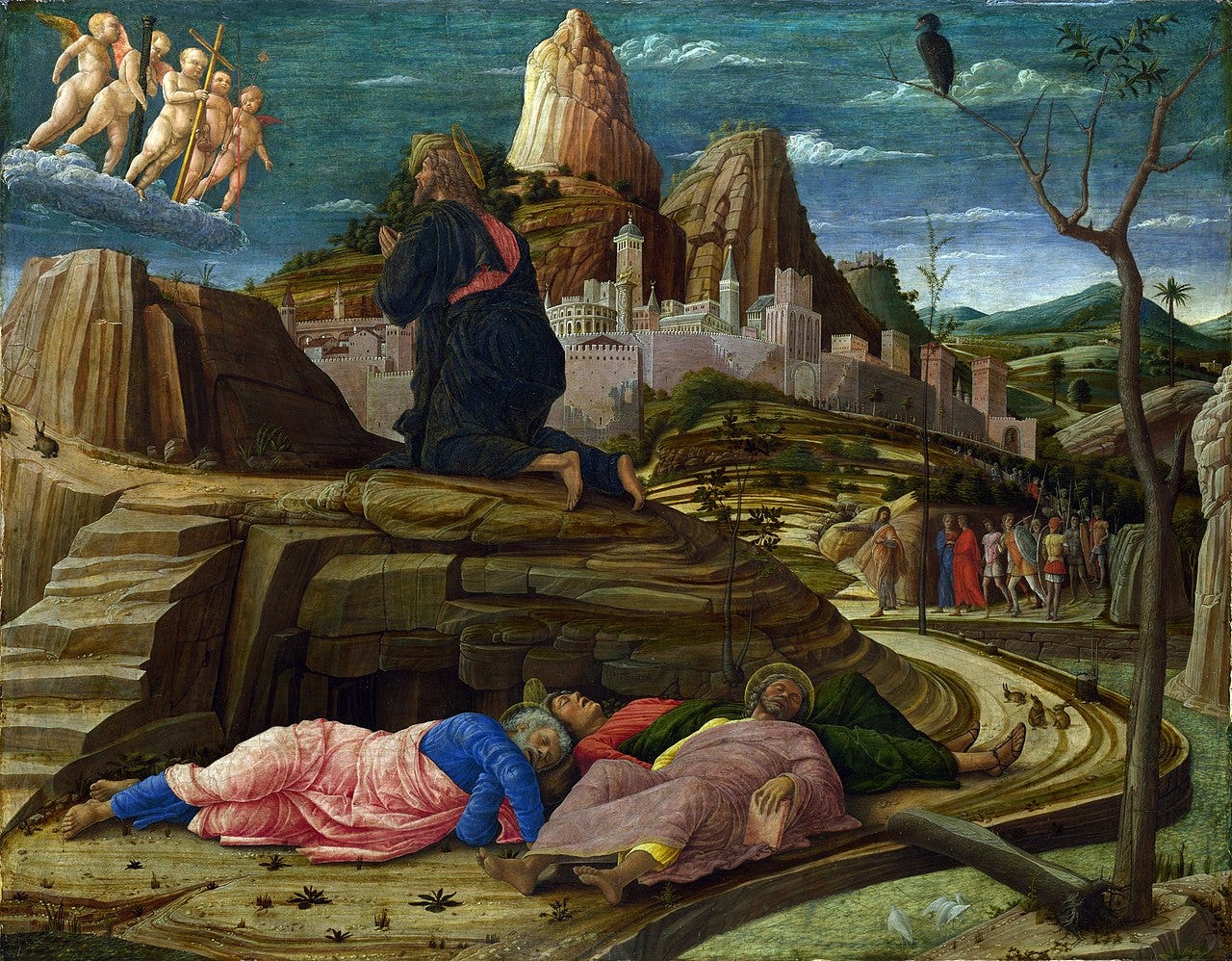
Here we see his humanity most clearly. He was not a figure untouched by fear. He was sweating drops like blood. He knew what was coming. And still he said yes.
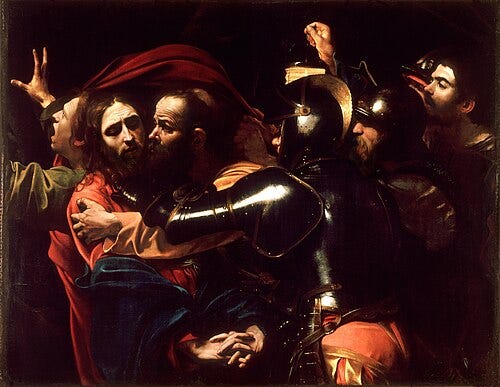
Then Judas arrived with soldiers. Judas kissed him, a sign of greeting that became the signal of betrayal. The soldiers seized him. The disciples scattered. Peter tried to fight with a sword but Jesus told him to stop. He was led away, bound, while the others fled into the night.
The Trials
First they brought him before the Jewish council. They accused him of blasphemy. They brought witnesses who contradicted each other. Finally the high priest asked directly if he was the Son of God. Jesus answered yes, and they tore their robes and shouted that he deserved death.
But the council did not have the authority to execute. So they brought him to the Roman governor, Pilate. Their charge shifted. Before Pilate they said Jesus claimed to be king, which would threaten Caesar.
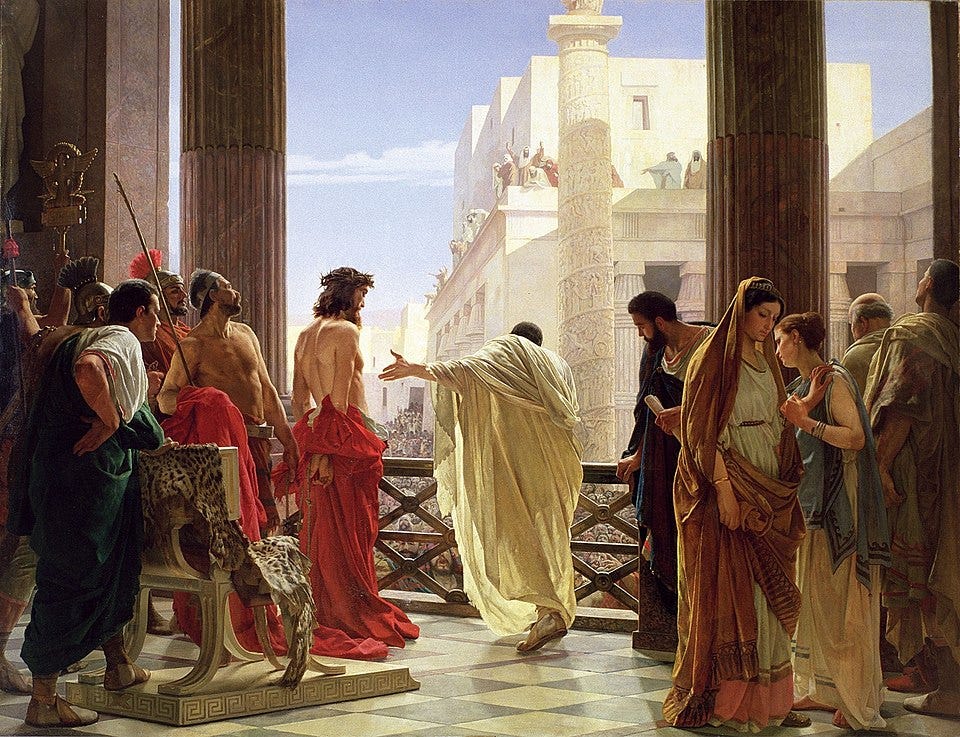
Pilate questioned him. He found no guilt. He tried to release him. But the crowd, stirred up by the priests, shouted for crucifixion. Pilate offered a choice: Jesus or Barabbas, a rebel and murderer. The crowd chose Barabbas.
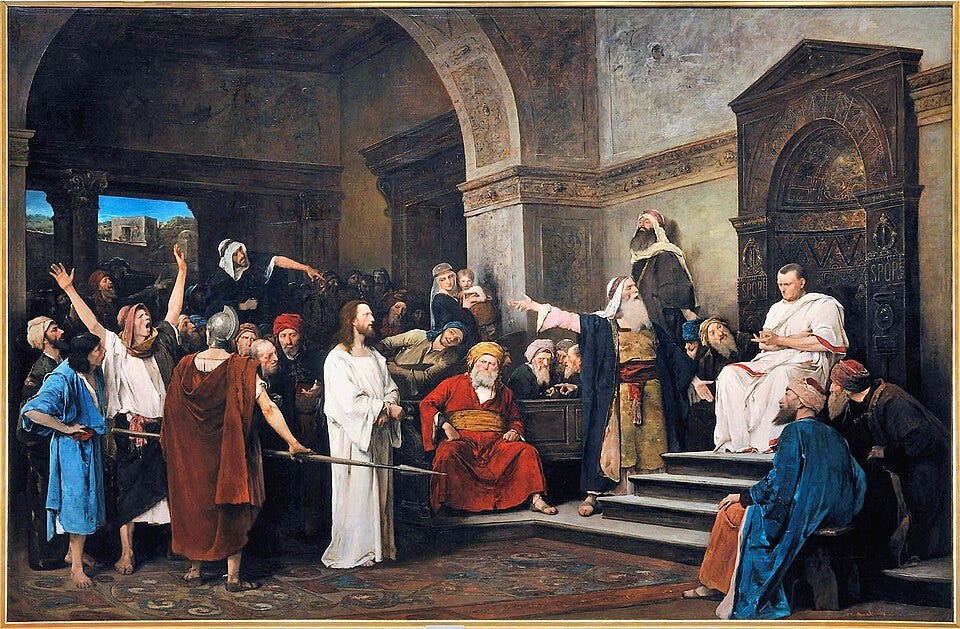
Pilate washed his hands, as if he could escape responsibility. Then he ordered Jesus flogged and handed over to be crucified.
The Road to the Cross
The soldiers mocked him. They put a crown of thorns on his head, a purple robe on his shoulders, and bowed to him in mock worship. They spat on him and struck him. Then they led him out of the city carrying the crossbeam of his own execution
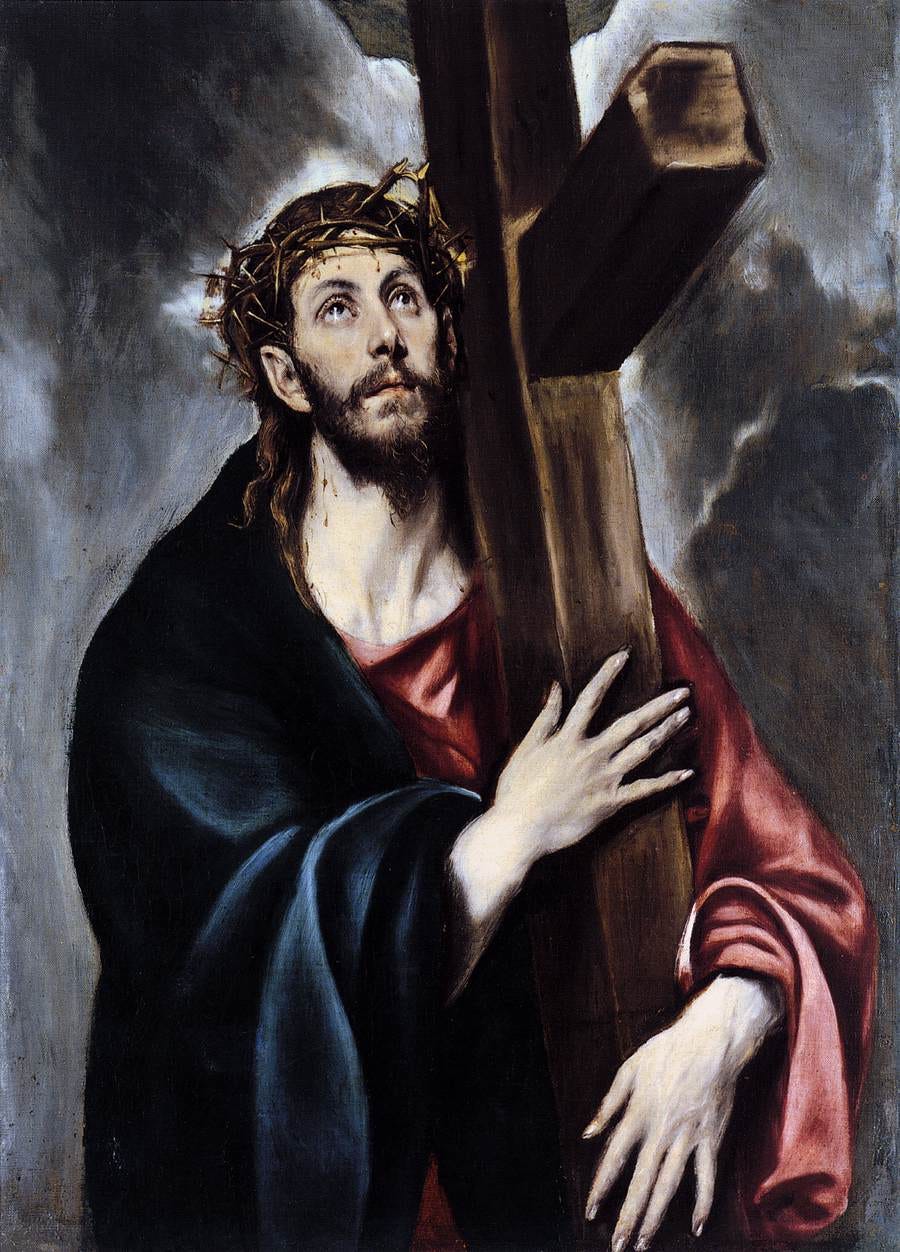
He stumbled under the weight. A man named Simon of Cyrene was forced to carry it for him. A crowd followed. Women wept. Jesus told them not to weep for him but for themselves and their children, because worse days were coming.
They came to a place called Golgotha, the Place of the Skull. There they nailed him to the cross. The hands and feet that had healed the sick and fed the hungry were pierced with iron. They lifted him up between two criminals. Above his head was written the charge: Jesus of Nazareth, King of the Jews.
The Crucifixion
Crucifixion was the cruelest death Rome had. It was meant not just to kill but to humiliate. Victims hung in public, exposed, slowly suffocating as they struggled for breath. It was a warning to all who saw: this is what happens if you resist.
The soldiers divided his clothes by casting lots. Passersby mocked him. The religious leaders sneered that if he was truly the Son of God he should come down from the cross. Even one of the criminals insulted him
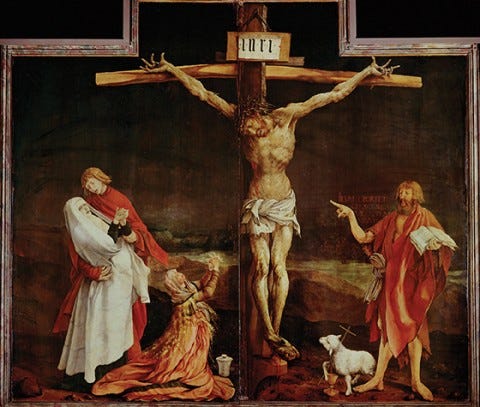
But the other criminal defended him. He asked Jesus to remember him. Jesus replied, today you will be with me in paradise. Even in his own agony he was giving hope to someone else.
From noon to three, darkness covered the land. Then Jesus cried out, my God, my God, why have you forsaken me. These were words from a psalm, but they also revealed the depth of his suffering. He was not only in physical pain but also in spiritual abandonment.
Finally he said, it is finished, and gave up his spirit.
The Burial
A Roman soldier pierced his side with a spear. Blood and water flowed out. Then his body was taken down. A wealthy man named Joseph of Arimathea asked for permission to bury him. He wrapped the body in linen and placed it in a new tomb cut in the rock. A stone was rolled across the entrance. Soldiers were set to guard it.
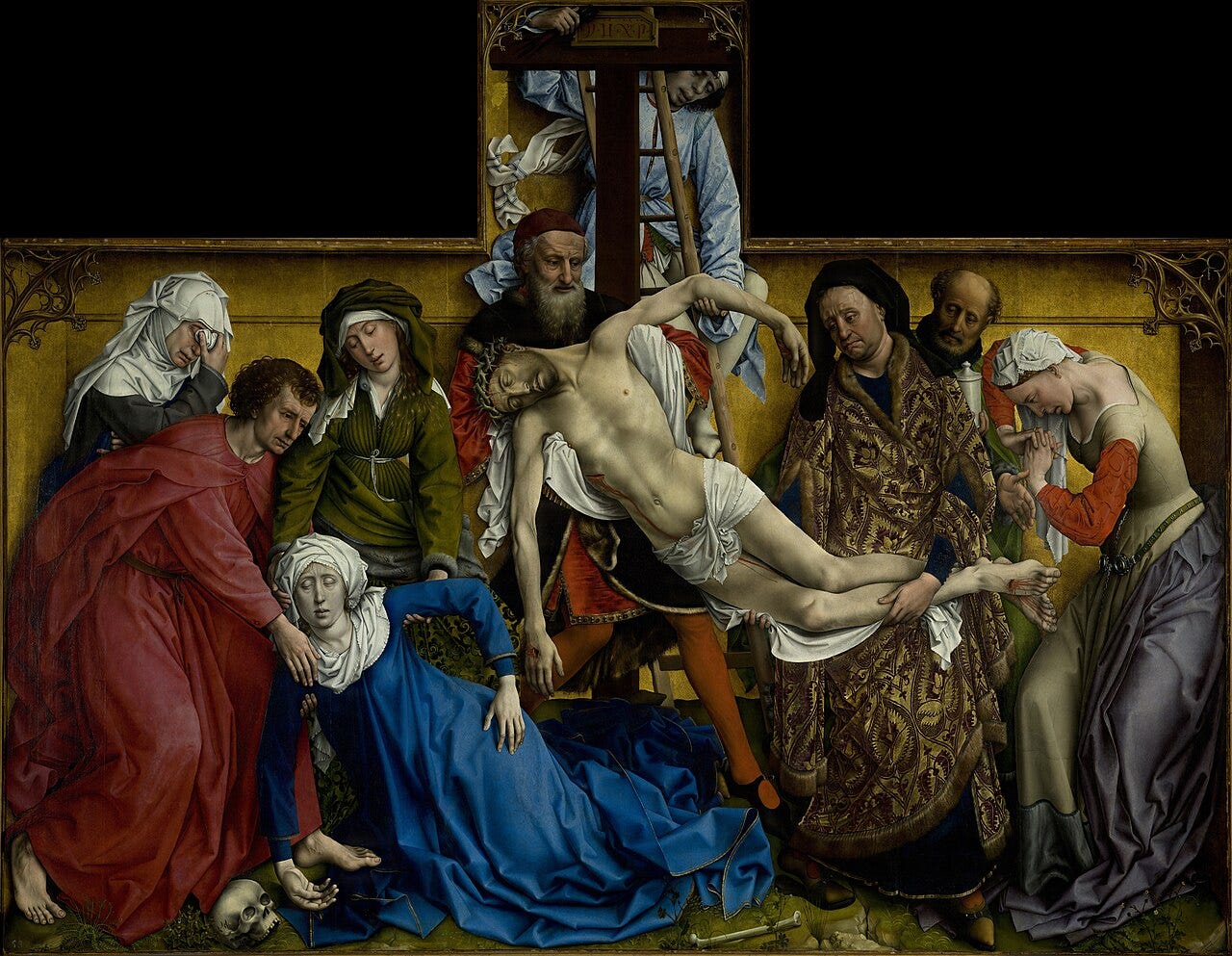
The disciples were crushed. They had followed him for years, hoping he was the one who would redeem Israel. Now he was dead, humiliated, buried. Their hopes lay in the tomb with him.
The Resurrection
On Sunday morning, women went to the tomb with spices to anoint the body. They found the stone rolled away. The tomb was empty. Angels told them he was not there, that he had risen.
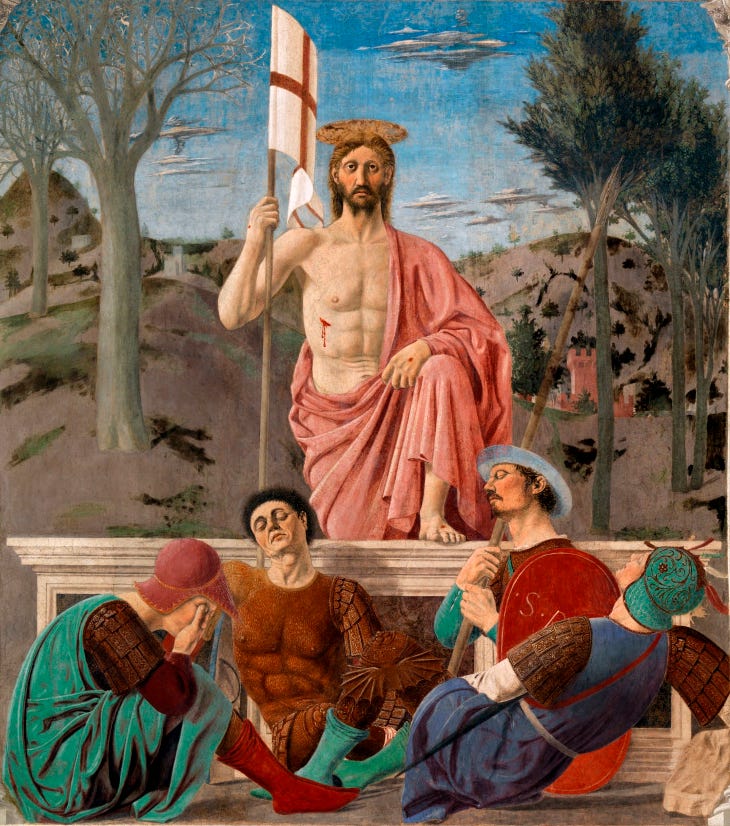
They ran to tell the disciples. Peter and John ran to the tomb and found only the linen cloths. They did not know what to think.
That same day, two disciples were walking to the village of Emmaus. Jesus came and walked with them, but they did not recognize him. He explained the scriptures, how the Messiah had to suffer before entering glory. At supper, when he broke bread, their eyes were opened. He vanished from their sight.
Later he appeared to the disciples in Jerusalem. They were afraid, thinking they saw a ghost. He showed them his hands and side. He ate with them. He told them to wait for the Spirit who would give them power.
Thomas was not there at first. He said he would not believe unless he saw and touched the wounds. A week later Jesus appeared again and told Thomas to put his hand in the wounds. Thomas fell to his knees and said, my Lord and my God.
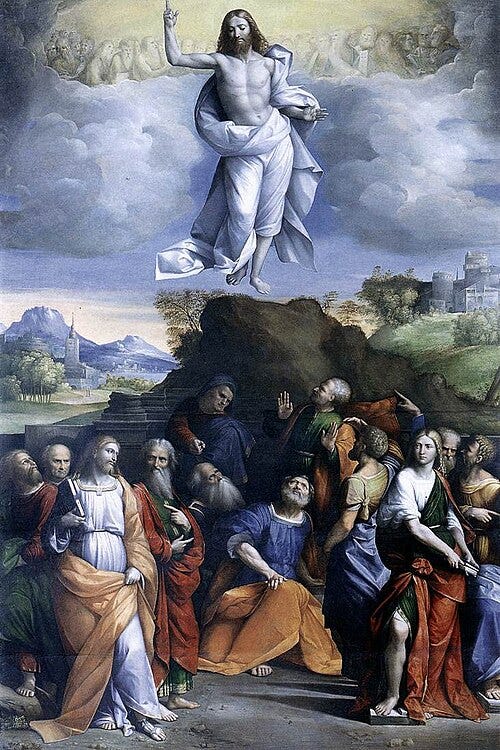
For forty days he appeared to many. Then on the Mount of Olives he blessed them and was taken up into heaven…