
Friendly reminder: The Western Spirit exists because of readers like you. Join us and help keep this project alive and independent.
If you’ve been enjoying these essays, consider becoming a paid subscriber. For a few dollars a month, you’ll get:
Essays on brave men, and turning points in Western history
Reflections on faith, tradition, and culture
Full access to the growing archive - essays, book breakdowns, and deep dives
This project exists because readers like you make it possible.
If the date sounds familiar, there is a good reason.
Sixty-five years earlier, another Ottoman sultan attacked the same city.
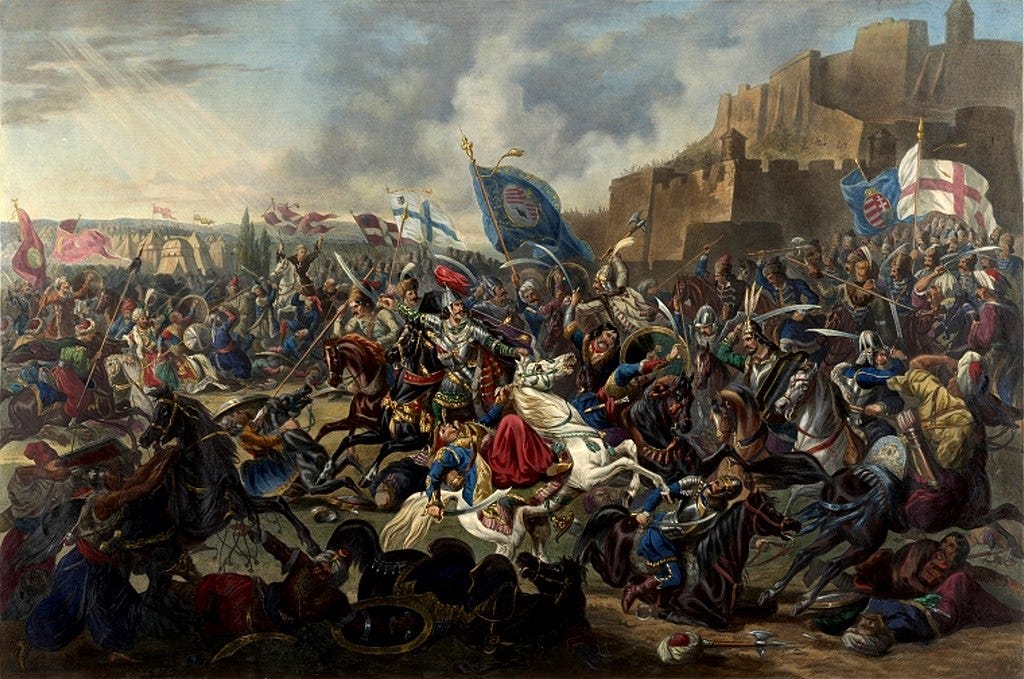
In 1456, Mehmed II, the conqueror of Constantinople, marched against Belgrade with a large army and powerful cannons. He expected another major victory. Instead, he faced John Hunyadi, and a strong Christian defense.
The defenders defeated the Ottoman army in one of the most important Christian victories of the fifteenth century. Mehmed was wounded, his army was forced to retreat, and Belgrade remained under Christian control.
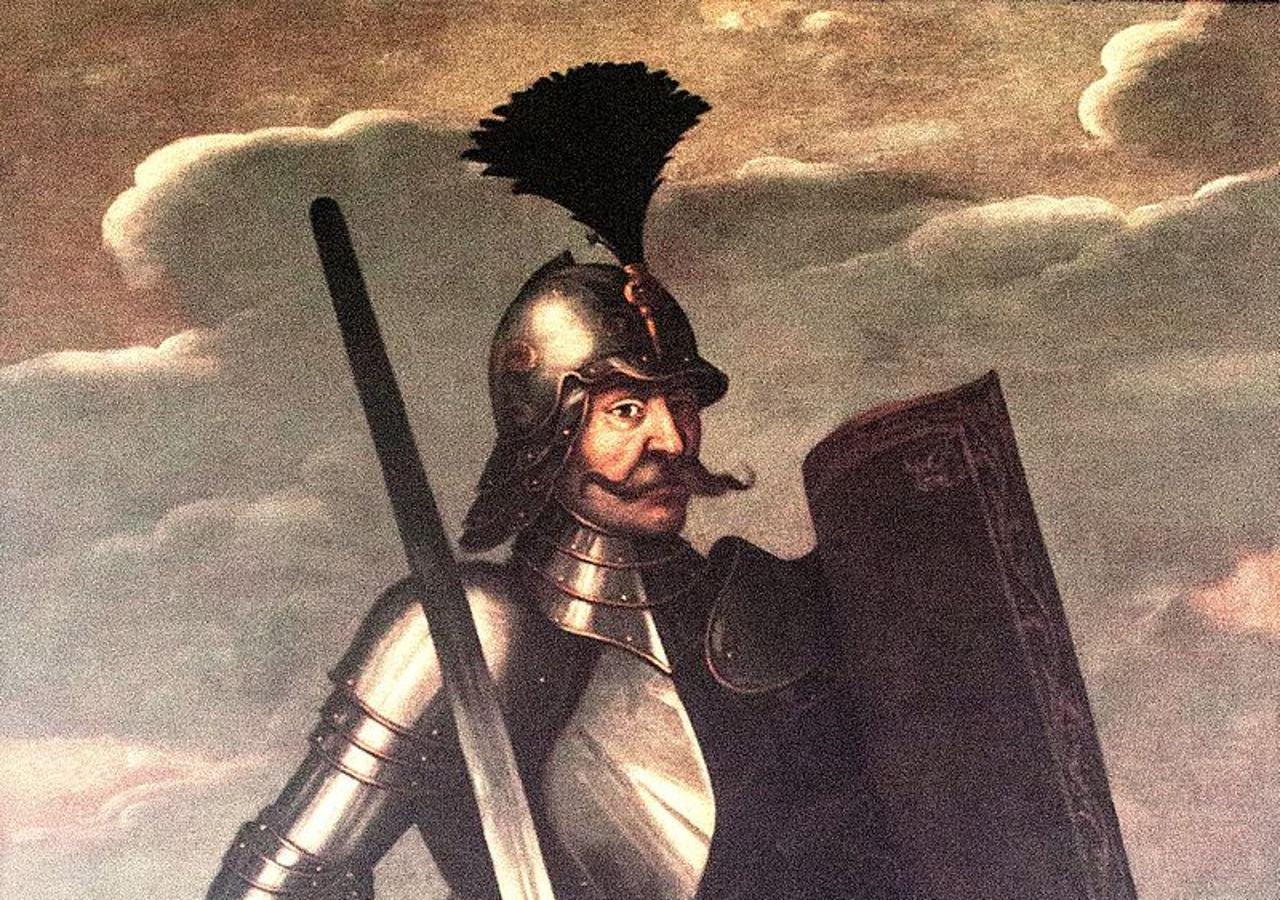
A few days later, Hunyadi described the victory in a letter written from the damaged fortress:
“We are able to write of this news to Your Lordship: that the emperor of the Turks had come with his mighty power, and with many machines, to lay siege to the fortress of Belgrade. Indeed, he came with such power and skill as no human eye has ever seen, nor mind could comprehend, and in fact he so destroyed the fortress through the blows of his cannons such that it is no longer a fortress, but a field; indeed the walls have been torn down to the ground. On the most recent Wednesday, after the hour of vespers, they stormed the fortress in a marvelous way, such that it lasted all through the night and into the next day up to midday, such that we engaged them twice in the middle of the fortress, as if in an open field. Then at last we charged against them beyond the fortress and fought with them into the evening. With God’s help we drove the emperor of the Turks himself from the aforesaid fortress. We captured all of his cannons and engines. And on this last Friday he took to flight with those who were left, alone, in the middle of the night, confused and defeated.”
Writing to Pope Callixtus III from Belgrade on July 22, 1456, Capistrano recalled how close the city came to being abandoned:
“Most blessed father, after kisses for your sacred feet, joy and exultation! Glory to God in the highest, by whose mercy it has happened that we have not been destroyed. We were in such tribulation, and in such dire straits, that everyone thought we could no longer resist the power of the Turks. Even general Hunyadi himself, truly the terror of the Turks and a most powerful defender of Christians, judged that it would be best to abandon the fortress of Belgrade. For the savage Muhammadans so strongly and incessantly assaulted the citadel, destroyed the walls with so many machines, and fought against us so fiercely that our strength began to fail, and that our soldiers, especially, began to lose heart. But amid tribulation the Lord revived us: after we had driven them from the city, our most savage enemy deceptively retreated, seeking to set an ambush for us as we pursued them.”
For more than sixty years after Mehmed II’s defeat, Belgrade remained in Christian hands.
John Hunyadi’s son, Matthias Corvinus, became king in 1458 and spent much of his reign strengthening the Hungarian crown, building one of the most formidable armies in Central Europe.
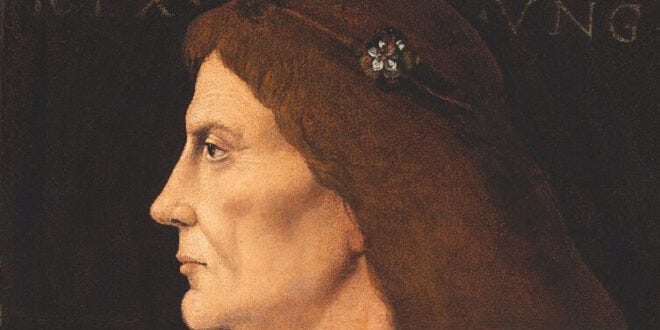
But after Matthias died in 1490, the kingdom became weaker. Political divisions grew, royal power declined, and the defenses along the Ottoman frontier suffered.
The new king, Vladislaus II, was made to swear on entering the realm that he would maintain its liberties and “make no such innovations as the late King Matthias made.” Nearly all of Matthias’s fiscal and military reforms were undone. The standing force known as the Black Army dissolved; unpaid fragments turned to banditry. Royal revenues were looted so thoroughly that the king was reduced to selling Matthias’s books and works of art.
By the time the young Louis II ruled Hungary, the kingdom was far less prepared to defend Belgrade than it was in Hunyadi’s time. Border guards went unpaid, fortresses fell into disrepair, and attempts to raise taxes for the frontier were blocked. No attack on the scale of 1456 struck Hungary in almost seventy years; the long war of raids did not produce captains able to command an army large enough to meet a sultan in person.
Louis himself, who turned fifteen in the summer of 1521, was “evidently unqualified to assume practical command.” An eyewitness in the later camp at Mohács wrote: “There is no good in what the lords discuss, although they are in council every day, but can never decide anything. Almost all the lords have already left… and they are at odds with each other, and it is feared that we will lose this realm.”
Meanwhile, the Ottoman Empire continued to grow. Mehmed II was followed by Bayezid II, then Selim I, and finally, in 1520, by Selim’s young son, Suleiman. The Venetian envoy Bartolomeo Contarini saw him within weeks of the accession and sent home a portrait that reads:
“He is twenty-five years of age, tall, but wiry, and of a delicate complexion. His neck is a little too long, his face thin, and his nose aquiline. He has a shadow of a mustache and a small beard; nevertheless he has a pleasant mien, though his skin tends to pallor. He is said to be a wise Lord, fond of study, and he shows good judgment.” Some in Europe, remembering Selim the grim conqueror, first mistook the son for “a meek lamb” after “an angry lion.”

That impression did not last.
The Gateway to Hungary
When Suleiman I became Ottoman sultan in 1520, he inherited a powerful empire that expanded for generations. Constantinople fell in 1453, Serbia came under Ottoman control, and Ottoman armies now held much of the Balkans.
But Hungary was still a major obstacle.
And Belgrade stood in the way.
A look at the map explains why Belgrade was so important. The city stands where the Sava River meets the Danube, controlling important routes between the Balkans, Hungary, and Central Europe. For any Ottoman ruler who wanted to move north, capturing Belgrade was essential.
That is why Suleiman made Belgrade one of the first major targets of his reign.
In the summer of 1521, the Ottoman army advanced toward the city.
A Serbian chronicle described how Ottoman forces began closing in around Belgrade:
“(The Turks) crossed the river Sava as if on dry land, that is, by a bridge to the other side of Srem, and others swam across in boats, so that it was not possible even for those mighty rivers to hold back the Ishmaelites… And they surrounded on every side the famous Belgrade and the other neighboring towns and flew like winged snakes, burning villages and towns.”
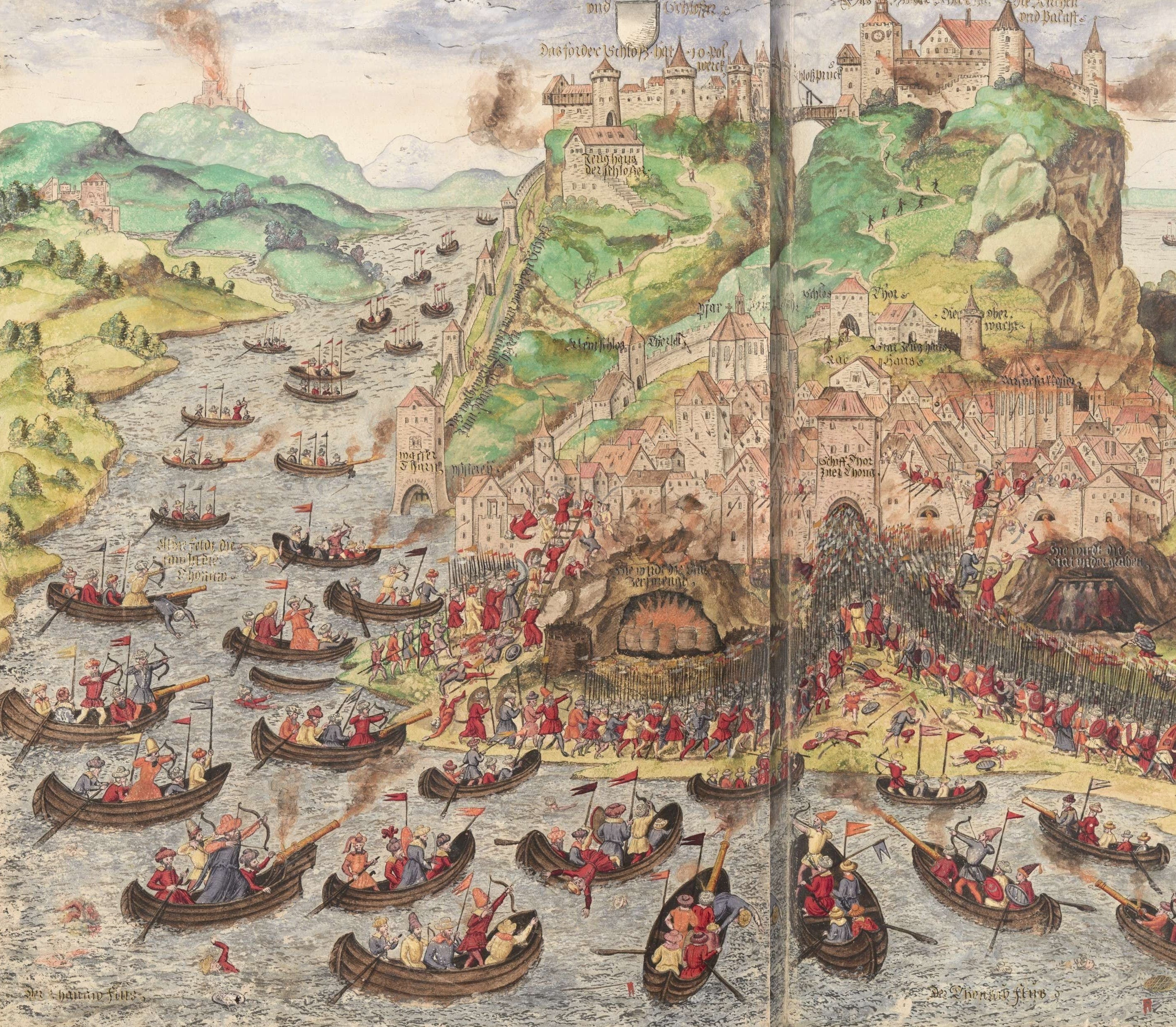
The situation Suleiman faced was very different from the one Mehmed II faced in 1456. Hungary was politically divided, its southern defenses grew weaker, and Belgrade had no powerful relief army like the one Hunyadi brought sixty-five years earlier.
The fortress that once stopped Mehmed now faced Suleiman in much more difficult conditions.
Friendly reminder: The Western Spirit exists because of readers like you. Join us and help keep this project alive and independent.
If you’ve been enjoying these essays, consider becoming a paid subscriber. For a few dollars a month, you’ll get:
Essays on brave men, and turning points in Western history
Reflections on faith, tradition, and culture
Full access to the growing archive - essays, book breakdowns, and deep dives
This project exists because readers like you make it possible.