
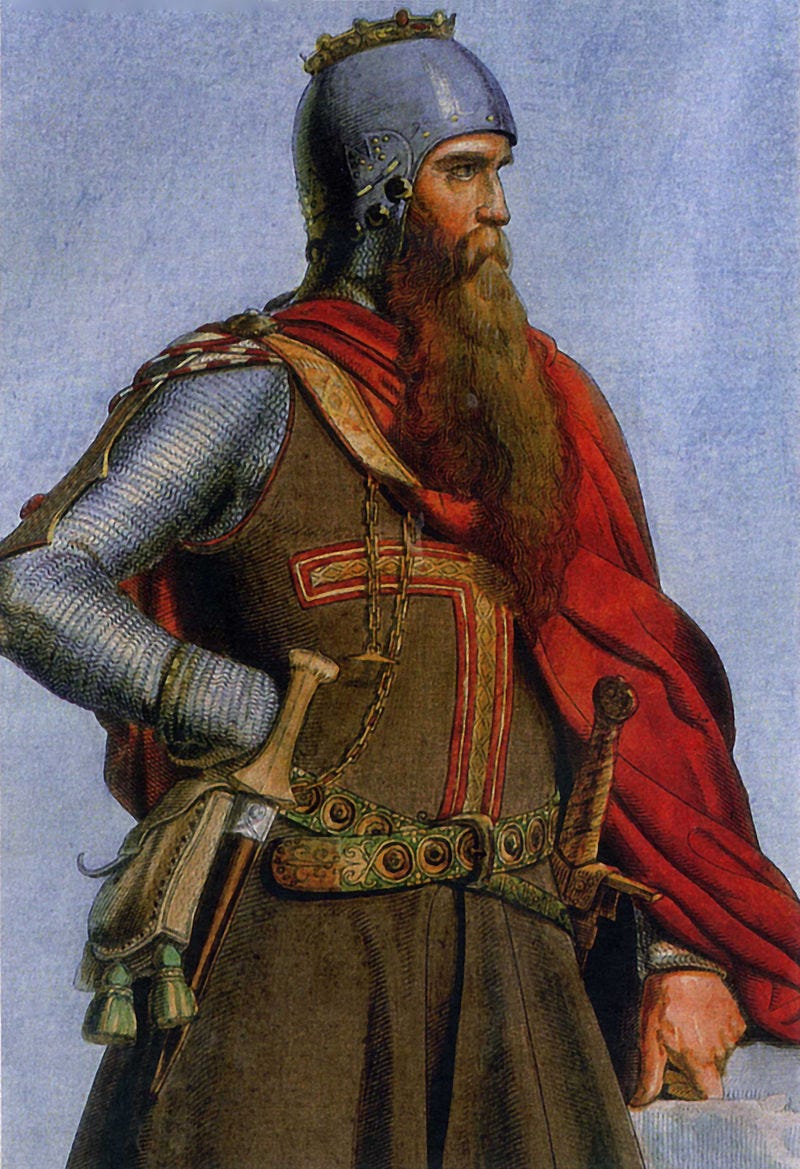
Frederick Barbarossa was one of those figures who seemed born to live in legend. He ruled as Holy Roman Emperor in the twelfth century, when Europe was young and full of ambition. His story is the story of the medieval dream… the hope that the world could be ordered under one crown, one law, one God.
Barbarossa’s life feels like something out of an epic poem. He was bold, clever, and stubborn. He fought popes and princes, led crusades, and tried to restore the power of the Roman Empire in a Christian world. He united Germany, conquered Italy, and died on his way to Jerusalem. To his followers, he was the perfect knight: brave, loyal, and just. To his enemies, he was a tyrant who worshiped power.
What makes him fascinating is not just what he did but what he represents..
The Western Spirit exists because of readers like you. We’re just one subscriber away from hitting 100 paid members — join us and help keep this project alive and independent.
If you’ve been enjoying these essays, consider becoming a paid subscriber. For a few dollars a month, you’ll get:
In-depth pieces on forgotten battles, brave men, and turning points in Western history
Reflections on faith, order, tradition, and the deeper meaning behind culture
Full access to the growing archive — essays, book breakdowns, and historical deep dives
This project exists because readers like you make it possible.
The Making of a King
Frederick was born around 1122 in Swabia, a region in southern Germany. He belonged to the Hohenstaufen dynasty, a proud and ambitious family that often clashed with the papacy. His mother came from the rival Welf family, which made him a rare symbol of unity in a divided land.
Germany in the twelfth century was not a country but a patchwork of duchies and bishoprics. Every noble wanted to rule his own domain. The emperor’s power existed more in theory than in fact. Frederick grew up watching how fragile authority could be. He learned early that power meant nothing without loyalty.
He was tall, strong, and full of charisma. Chroniclers describe him as calm in speech but fierce in battle. When he became Duke of Swabia, he earned respect through fairness. He was ambitious, but he played the long game.
When Emperor Conrad III died in 1152, the princes elected Frederick as his successor. He was only thirty. His election was one of the few times the German nobles agreed on anything. They hoped this young king would unite them and restore dignity to the crown.
The Idea of Empire
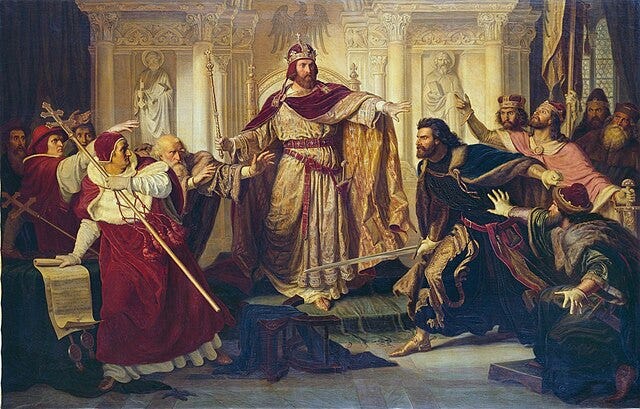
From the beginning, Frederick saw himself not as a regional king but as heir to Rome. He believed the Holy Roman Empire was more than a political title. It was a divine order… a link between heaven and earth, built on justice and law. The emperor was not above the pope, but neither was he below him. Both ruled by God’s will.
This idea of balance was fragile. The Church wanted spiritual supremacy. The emperor wanted independence. Frederick tried to walk between them. His reign became a constant negotiation between faith and power.
In 1155, he went to Italy for his imperial coronation. He entered Rome in triumph and was crowned by Pope Adrian IV. For a brief moment, it seemed the ancient order was restored. But soon the alliance fell apart. Both sides wanted control over the same territory… northern Italy.
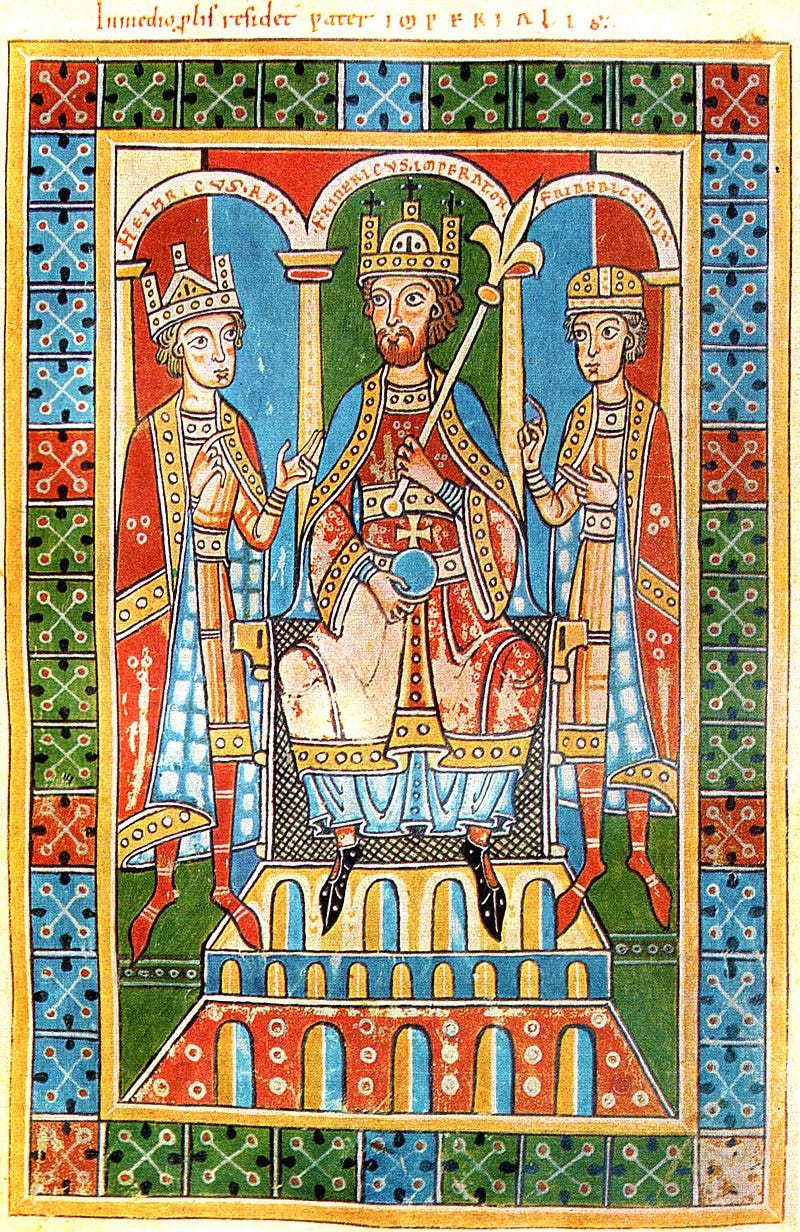
Frederick believed imperial authority extended over all of Italy. The Italian cities disagreed. They wanted freedom. What began as a ceremony turned into decades of war.