
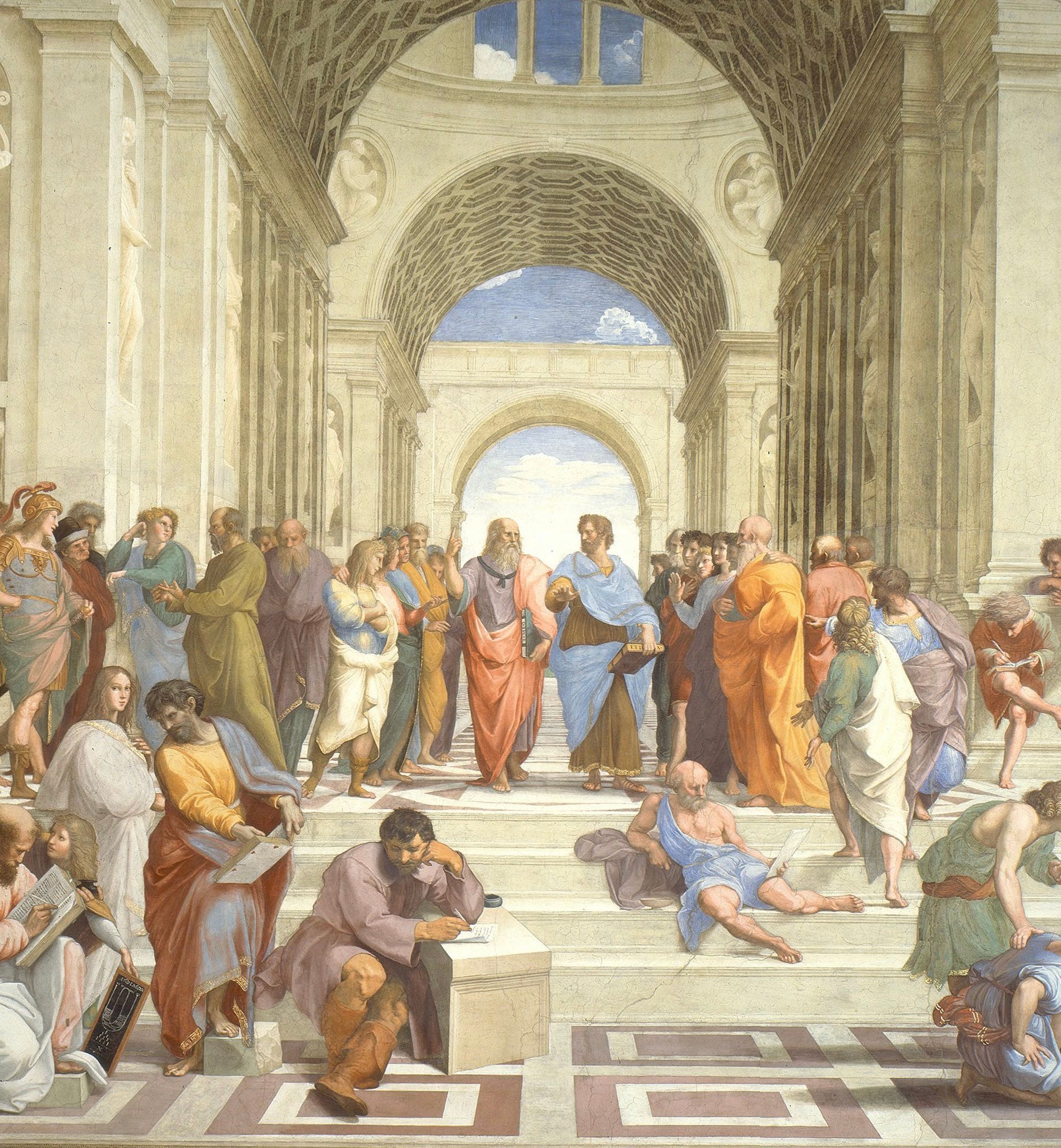
I’ve never understood the people who hate this place.
The world we inherited. The one built by the Greeks, the Romans, the Church, the thinkers, the artists, the explorers. The civilization that gave us almost everything we care about. The one we live inside like air, so close to us we forget it’s even there.
And yet, people want to burn it down.
Every time I see someone mocking “dead white men” or calling the West “colonizer trash,” I think:
Man, you have no idea what you’re standing on.
I’m not saying Western civilization was perfect. Of course not. What I’m saying is: nothing else comes close. No other civilization ever reached this level of beauty, depth, contradiction, and self-awareness. No other civilization put so much faith in the individual — your soul, your mind, your potential.
I didn’t grow up thinking this way. Like a lot of people, I went to school and learned to feel vaguely guilty about the West. All the emphasis was on slavery, war, oppression. And yeah, that’s part of the story. But it’s not the story. It’s like judging a person based only on their worst day.
So I started reading more. Visiting museums. Going to old churches. Looking at the statues people wanted torn down. Reading books by people everyone told me were outdated or “problematic.”
We invented modern science, medicine, engineering, and the free market. We built something that speaks to the deepest part of you. The part of you that wants more than comfort or safety. The part that wants to be good.
Once you see that, really see it, you can’t unsee it.
Reminder: The Western Spirit is a reader-supported publication.
If you’ve been enjoying these essays, consider becoming a paid subscriber. For a few dollars a month, you’ll get:
In-depth pieces on forgotten battles, brave men, and turning points in Western history
Reflections on faith, order, tradition, and the deeper meaning behind culture
Full access to the growing archive — essays, book breakdowns, and historical deep dives
This project exists because readers like you make it possible.
We Believed in the Human Soul
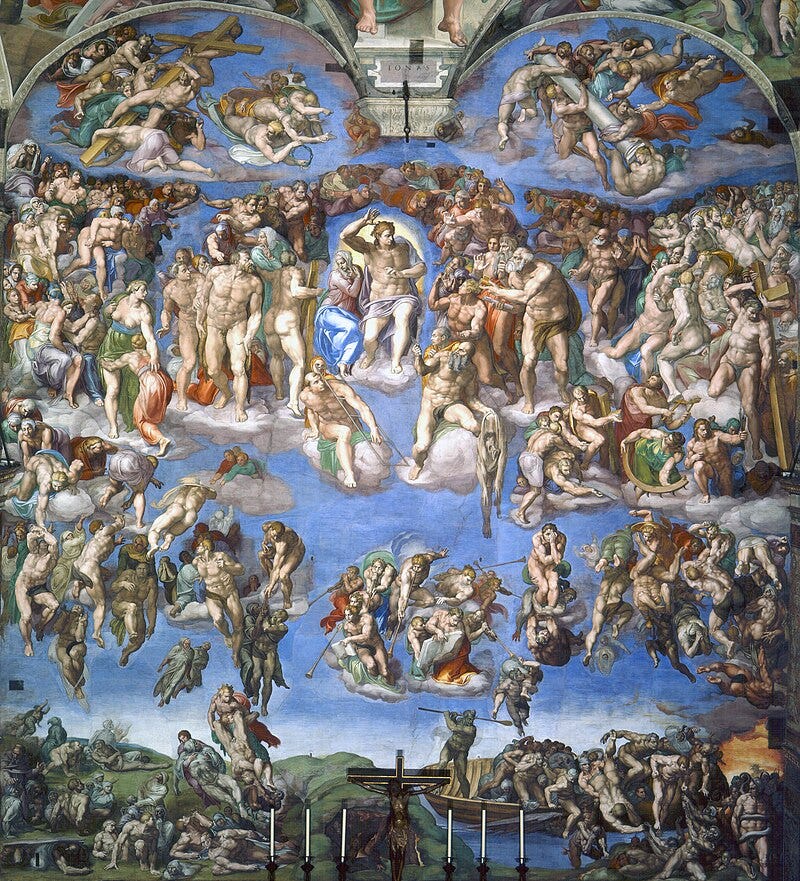
Other civilizations worshipped gods who looked like animals.
The West? We said, “Man is made in the image of God.”
That belief changed everything.
It meant the individual mattered. That the poorest person on earth had dignity. That your conscience was sacred. That your soul was eternal.
That idea shaped our laws, our art, our philosophy. It made slavery eventually unthinkable.
It’s why we even care about “justice” today. If you think slavery is wrong, if you think women have rights, if you believe in free speech or the rule of law — you’re standing on the shoulders of the West, whether you admit it or not.
Look at What We Made
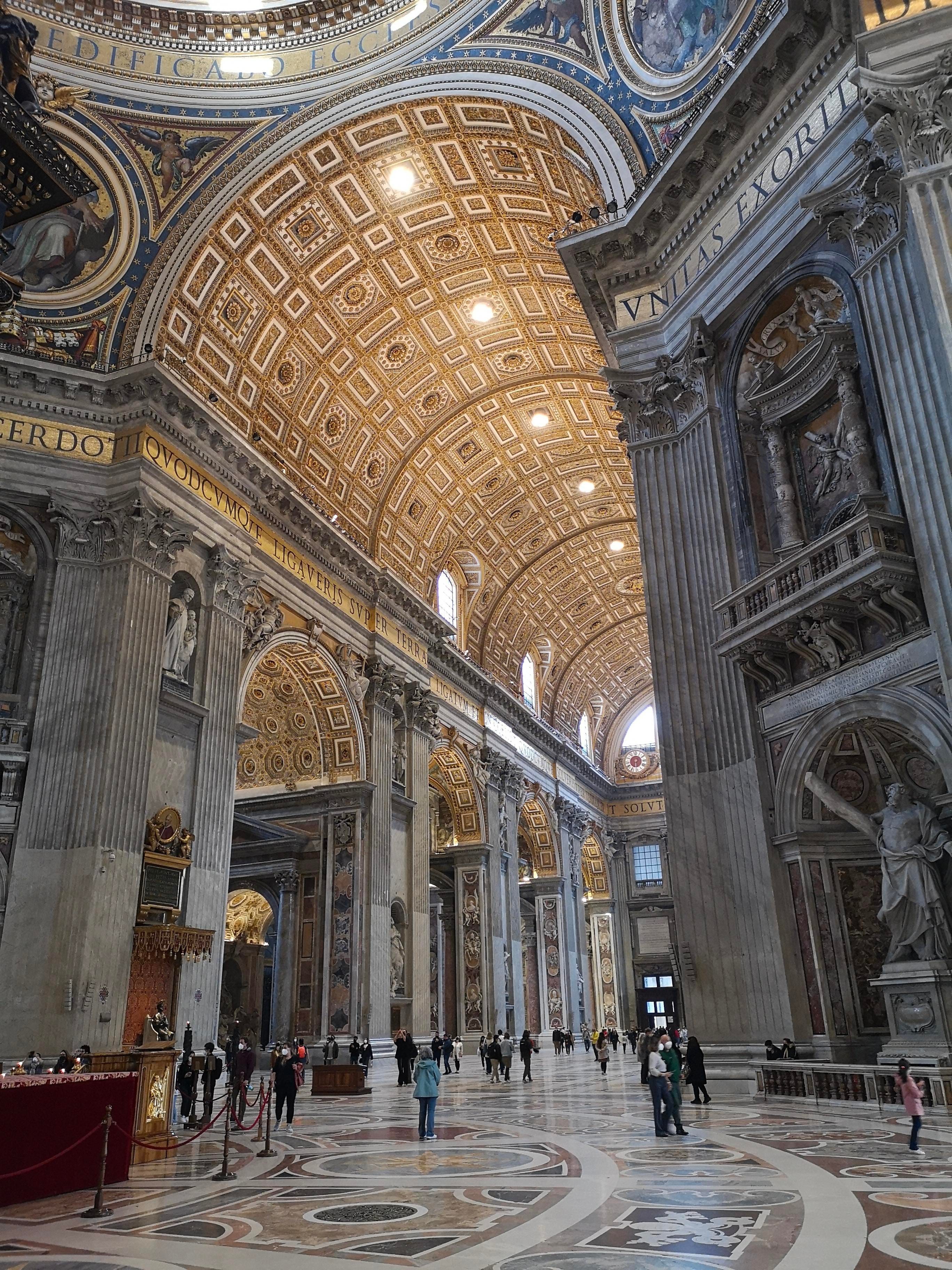
When I walk into a cathedral, I stop talking. It’s instinct.
Think about it: medieval Europeans spent decades, sometimes centuries, building those churches. They worked on them knowing they’d never live to see them finished. Why? Because they weren’t building for themselves. They were building for God.
That’s what Gothic architecture is — it’s stone trying to reach heaven.
Chartres, Notre Dame, St. Peter’s. These places were meant to pull your eyes up, your heart up, your soul up.
The same spirit is in our music. He built cathedrals out of sound. He wrote for eternity. You don’t have to be religious to feel it. Listen to his Mass in B Minor or his cello suites and tell me you don’t feel something ancient and true moving through you.
Then there’s the art.
Look at Michelangelo’s David. You can see the tension in his hand. The focus in his eyes. He’s more alive than most people you’ll meet. And he’s carved out of rock.
Or the ceiling of the Sistine Chapel. Or Caravaggio’s Doubting Thomas, where Christ guides the apostle’s hand into his wound. It’s tender. It's brutal. It’s real.
We Wrote the Deepest Things Ever Writen
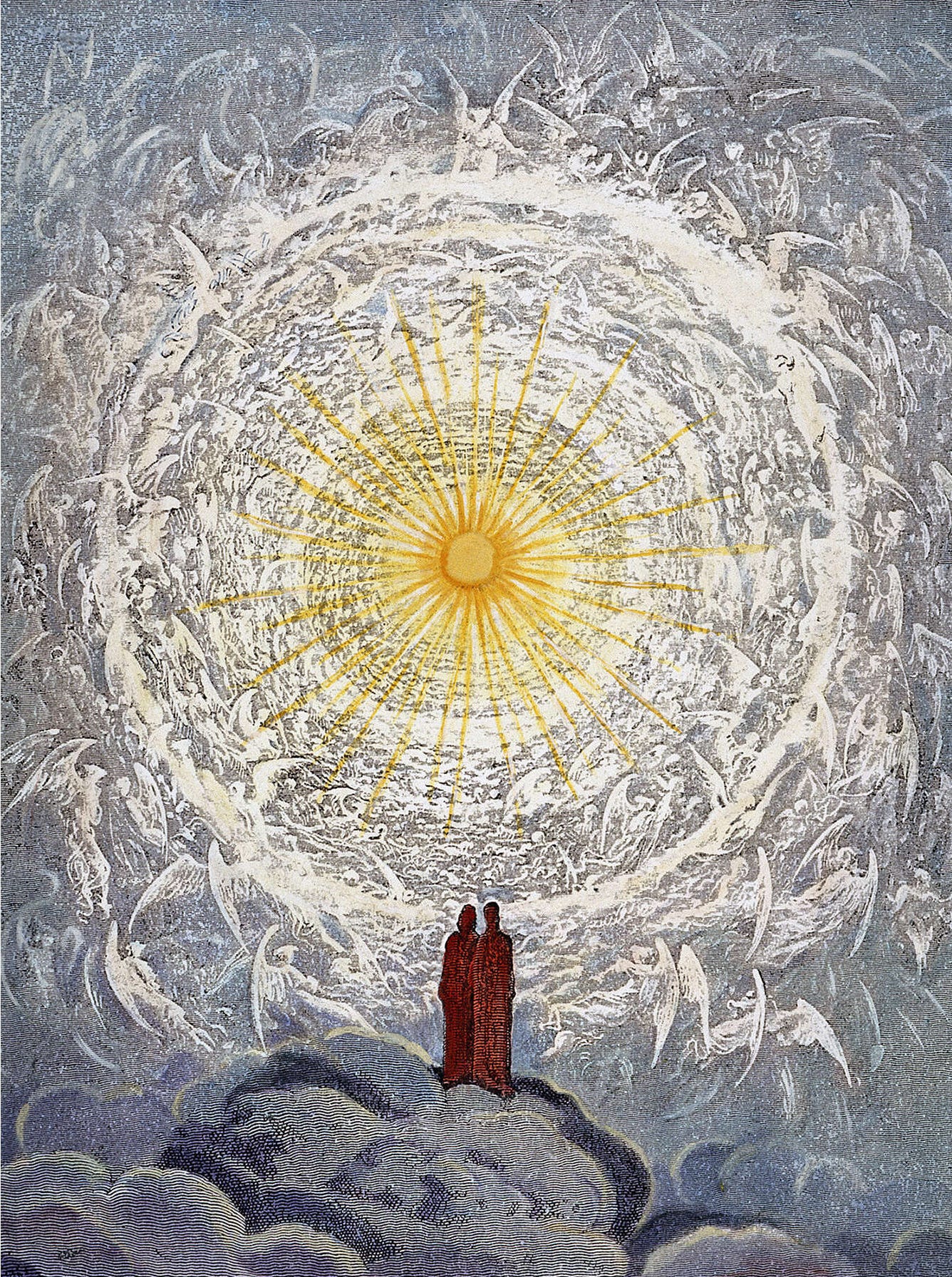
There are truths in Homer and Dante and Shakespeare that hit harder than anything you’ll find on the internet.
Take Dante.
In The Divine Comedy, he walks through Hell, climbs Mount Purgatory, and reaches Heaven. But really, he’s talking about us. Our journey. Our sins. Our longings.
It’s a 14th-century Italian poem, and yet when I read it, I feel like he’s watching me.
Or Shakespeare. You can find everything in him. Love, betrayal, jealousy, ambition, madness, forgiveness. He didn’t write heroes or villains. He wrote humans. You can hate Macbeth and still see yourself in him. That’s the power of it.
Tolstoy, Dostoevsky, Austen, Cervantes — each one shows you a part of your own heart you didn’t know how to name.
No one else did this. The Greeks invented tragedy. The Christians gave it meaning. And the Western novel brought the soul to life on the page.
We Asked the Big Questions
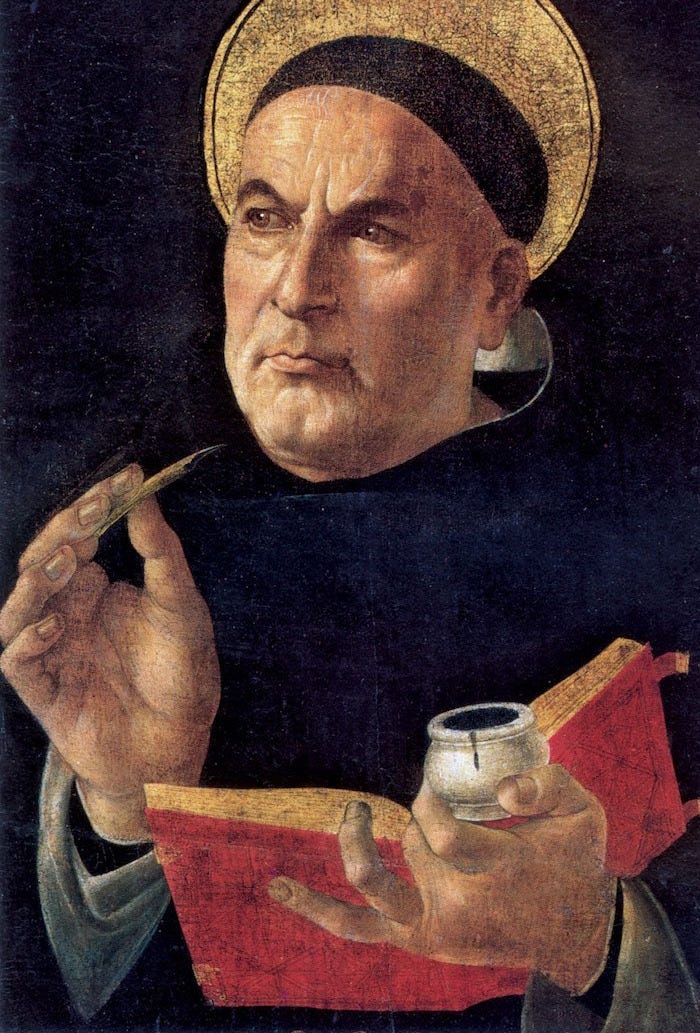
What is justice? What is truth? Is there a God? What is man for?
We debated these questions for centuries.
From Plato to Aquinas to Descartes to Nietzsche. From Augustine’s Confessions to Pascal’s Pensées to Simone Weil’s notebooks.
We didn’t all agree. In fact, we fought constantly. But that was the point.
We believed that truth was worth pursuing. That ideas mattered. That reason and faith were tools to get closer to the Real.
That’s why we built universities. Why we defended free speech. Why we let ideas clash in public.
No one else did this like we did. No one else gave the human mind so much room to move.
So What Happened?
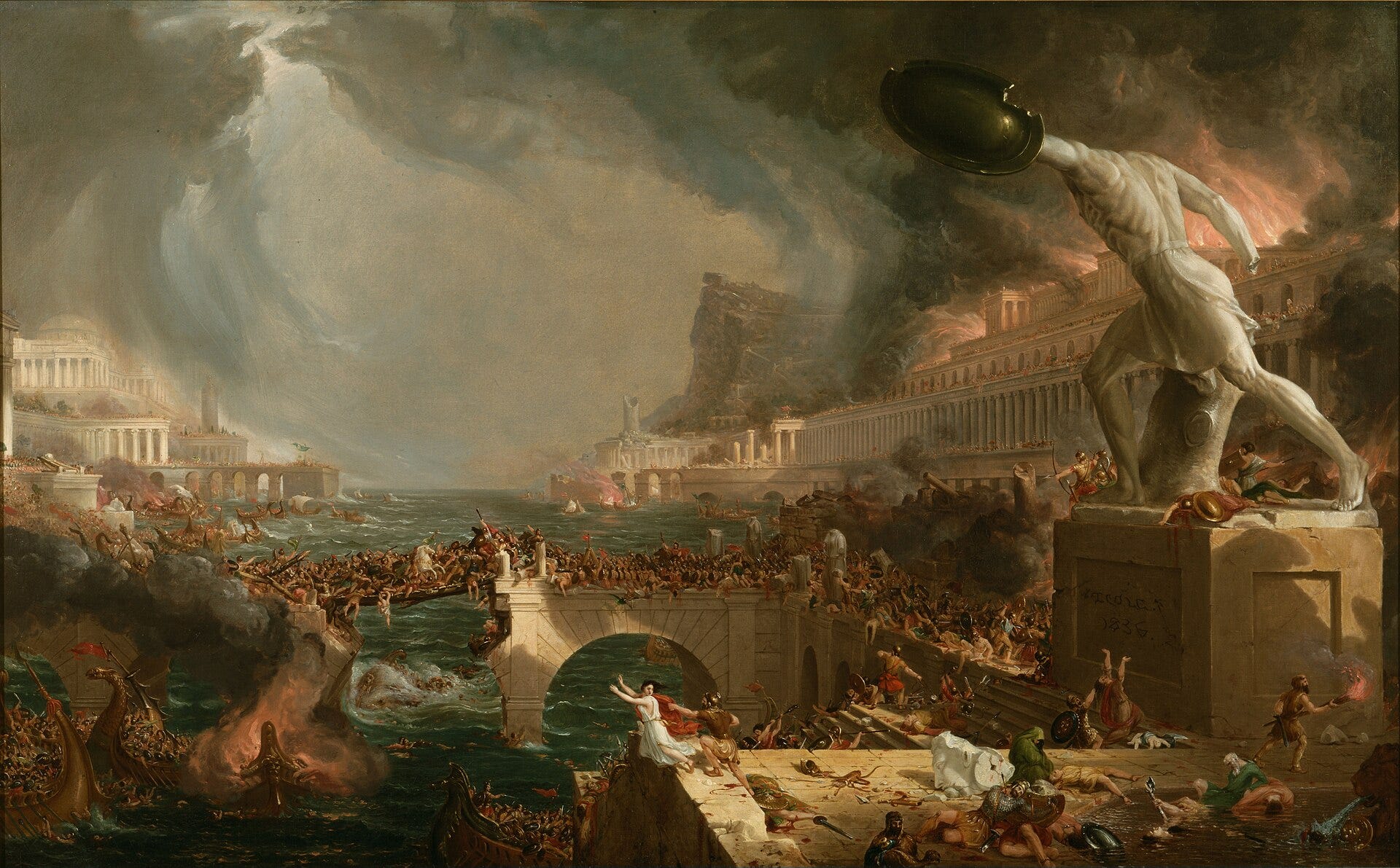
We got too comfortable.
We inherited this treasure and forgot how hard it was to build.
Now we act like it’s all automatic. Like civilization just runs on its own.
We mock the old books, ignore the old buildings, roll our eyes at the old virtues. We think we’re smarter because we have iPhones. But if the power went out tomorrow, we’d be begging to live under the rules our ancestors wrote.
Because deep down, we know: they were wiser than us.
It’s Not Too Late
The West isn’t dead. It’s just neglected.
It’s like an old mansion with the windows boarded up.
But it’s still there. Still solid. Still full of light.
You can study it. Love it. Defend it. You can build something new on top of what came before. You don’t need permission. Just start.
Read the old books. Go see the old paintings. Walk into the churches. Listen to the symphonies. Let it hit you. Let it move you. Let it shape you.
Don’t be the generation that drops the torch. Be the one that remembers.
Because this civilization is the greatest thing we’ve ever done.
But there’s still so much more to say.
We didn’t even get into the medieval mind, or how monasteries preserved knowledge… We barely touched on how the West shaped time itself or how our civilization doesn’t just tell you what’s beautiful, but why beauty matters in the first place.
If you want to go deeper…. to understand what we inherited, how we lost it, and what it’ll take to build again — I break all of it down inside the full version.
👇 Access the full essay here: