
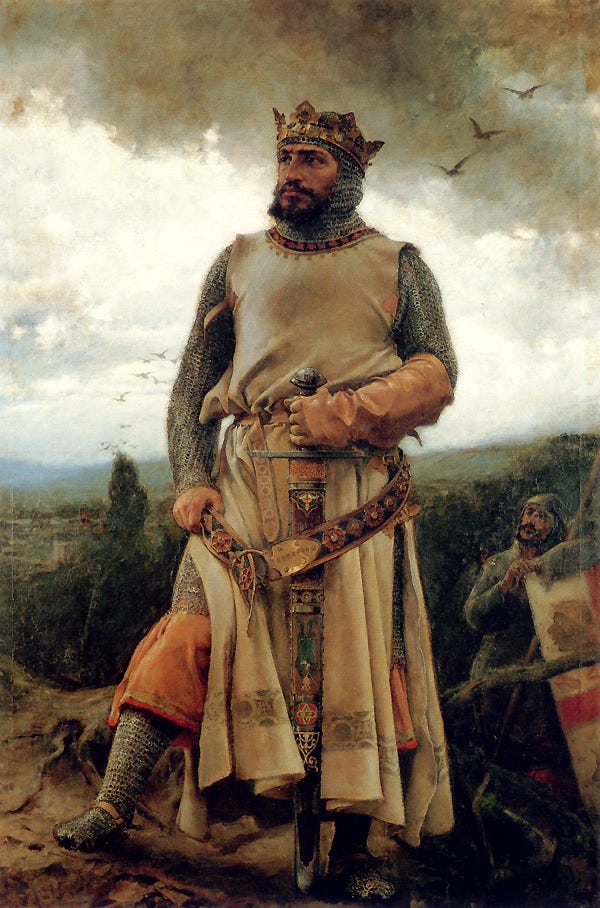
Alfonso I of Aragon was born around 1073 into a harsh and dangerous world. Spain in the late 11th century was a patchwork of kingdoms… some Christian, some Muslim, all wary of each other. The Christian realms of the north: Castile, León, Navarre, Aragon, and the County of Barcelona were slowly expanding southward in the Reconquista. The Muslim territories of the south, known collectively as al-Andalus, were fragmented into taifas (small kingdoms) ruled by emirs who often fought one another as much as they fought their Christian rivals.
The larger struggle, however, was clear to all: the centuries-long fight for control of the Iberian Peninsula. It was a conflict of swords and sieges, but also of faith. Kings saw themselves as warriors of God, charged with defending and reclaiming Christian lands taken during the Muslim invasion of the 8th century.
Alfonso would grow into one of the most relentless of these kings… so relentless, in fact, that his enemies called him “the Battler.”
An Heir by Blood, a Warrior by Nature
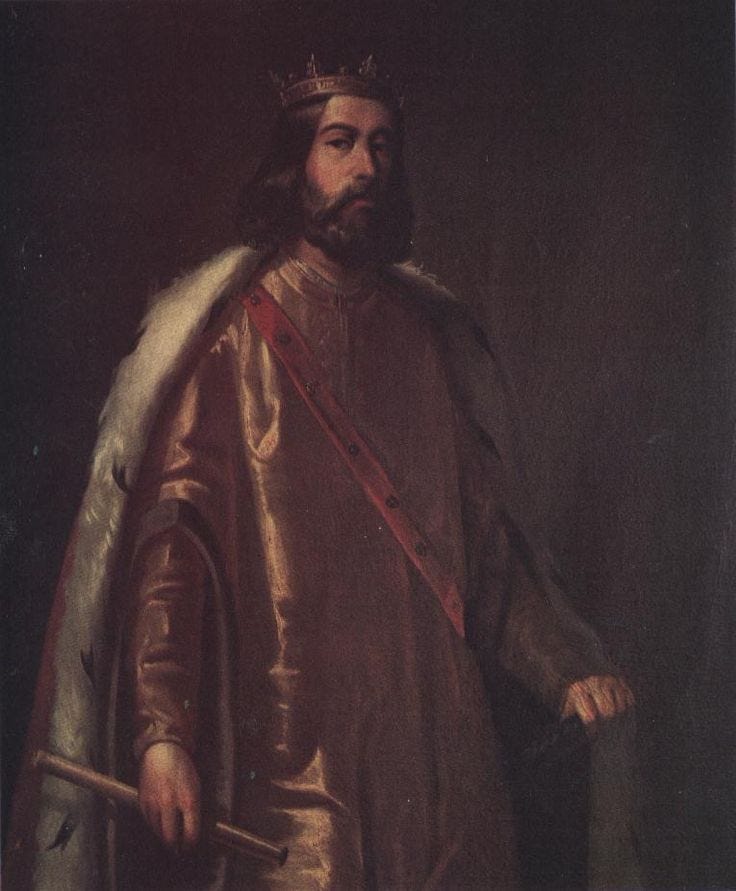
Alfonso was the second son of Sancho Ramírez, King of Aragon and Navarre. His elder brother, Peter I, inherited the throne in 1094. Alfonso, as a younger son, was not initially destined to be king. Instead, he was raised in the martial tradition of the Pyrenean lords… trained to fight on horseback, to endure the hardships of campaign, and to lead men in battle.
The rugged mountains of Aragon bred hard warriors. It was a small kingdom, but its people were used to fighting uphill battles… both literally and politically. From a young age, Alfonso distinguished himself for his personal courage and skill in combat. Chroniclers would later write that he “loved the clash of arms more than the company of women” and that “no battle wearied him.”
This was no courtly knight who waged war from behind a desk. Alfonso fought at the front, in the thick of danger. It was a habit that would shape his legend and nearly kill him more than once.
The Accidental King
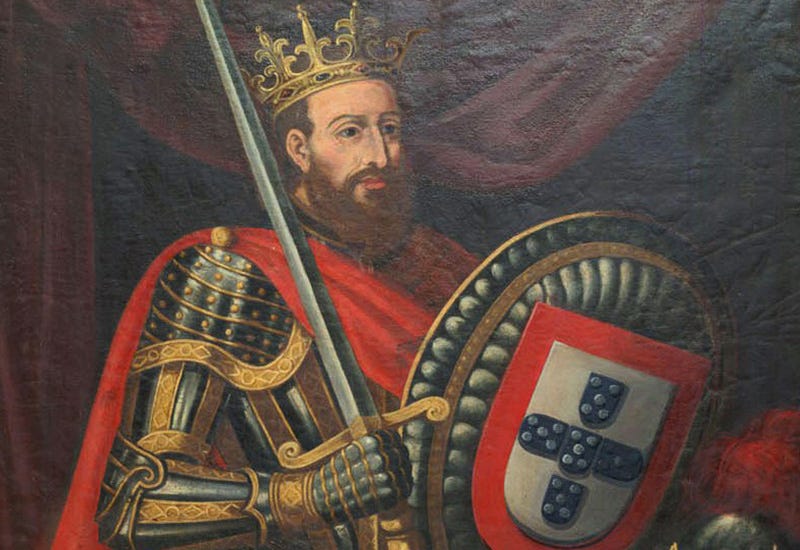
In 1104, Peter I died unexpectedly, leaving no surviving sons. The crown passed to Alfonso, who was already in his thirties and a seasoned warrior. He inherited a small but militarily capable kingdom that was wedged between powerful neighbors: Castile to the west, the Muslim taifa of Zaragoza to the south, and the County of Barcelona to the east.
Zaragoza in particular was a prize everyone coveted. It was one of the richest cities in Spain, with fertile lands along the Ebro River and strong fortifications. For decades, Christian kingdoms had exacted tribute from it, but none had managed to seize it outright. Alfonso set his sights on changing that.
The War Against Zaragoza
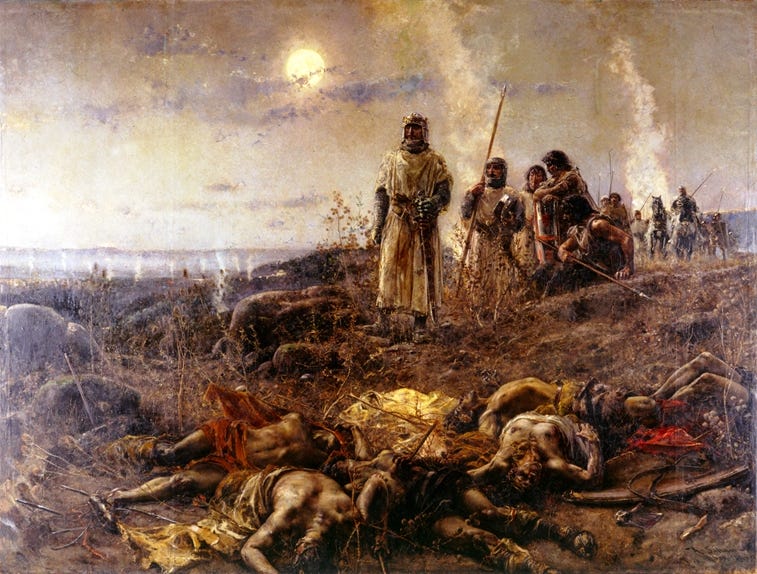
At the time of Alfonso’s accession, the political situation in al-Andalus was shifting rapidly. The Almoravid empire, a Berber dynasty from North Africa, had recently crossed into Spain to aid the Muslim taifas against Christian advances. They brought with them a fierce brand of Islamic orthodoxy and a highly disciplined army.
The Almoravids had scored some notable victories, but by the early 12th century, their unity was fraying. Alfonso saw an opportunity. He began raiding deep into Muslim territory, targeting the lands around Zaragoza to weaken its defenses and resources.
In 1118, with support from French crusaders drawn south by the call to fight the infidel, Alfonso launched his great offensive. The siege of Zaragoza lasted months. The city’s defenders fought hard, but hunger and the relentless pounding of siege engines took their toll. On December 18, 1118, Zaragoza fell.
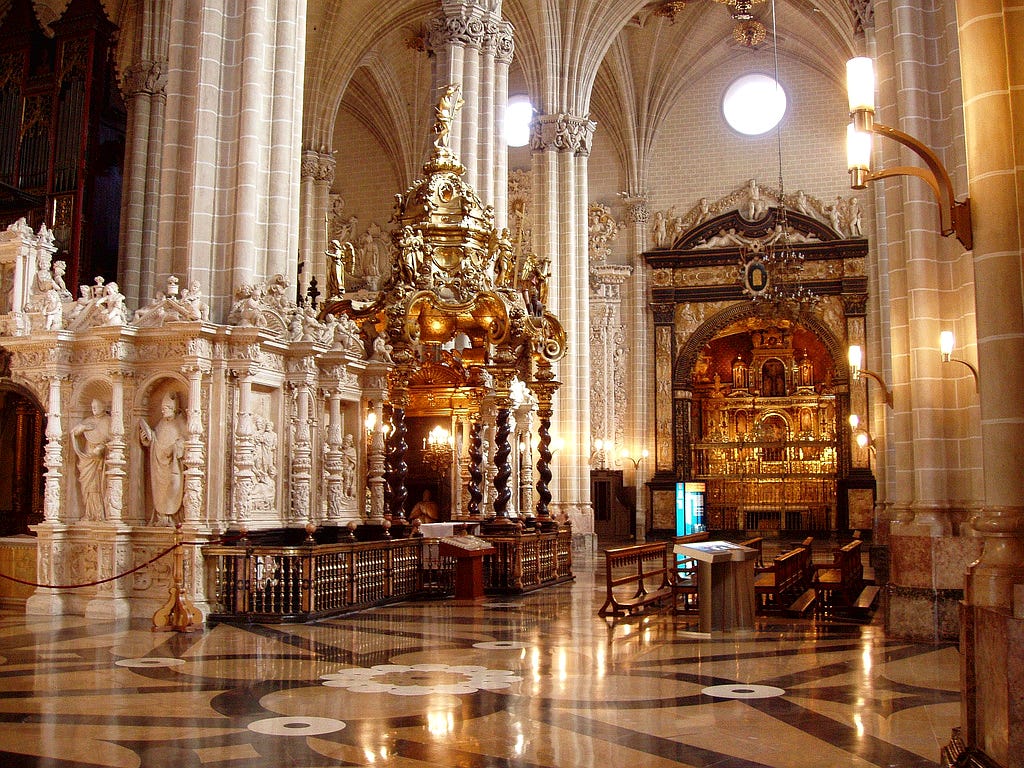
It was a monumental victory. For the first time, Aragon controlled a major city on the plains, far from the shelter of its mountain heartland. Alfonso celebrated by converting Zaragoza’s main mosque into the Cathedral of the Savior of Zaragoza…
The Battler’s Reputation Grows
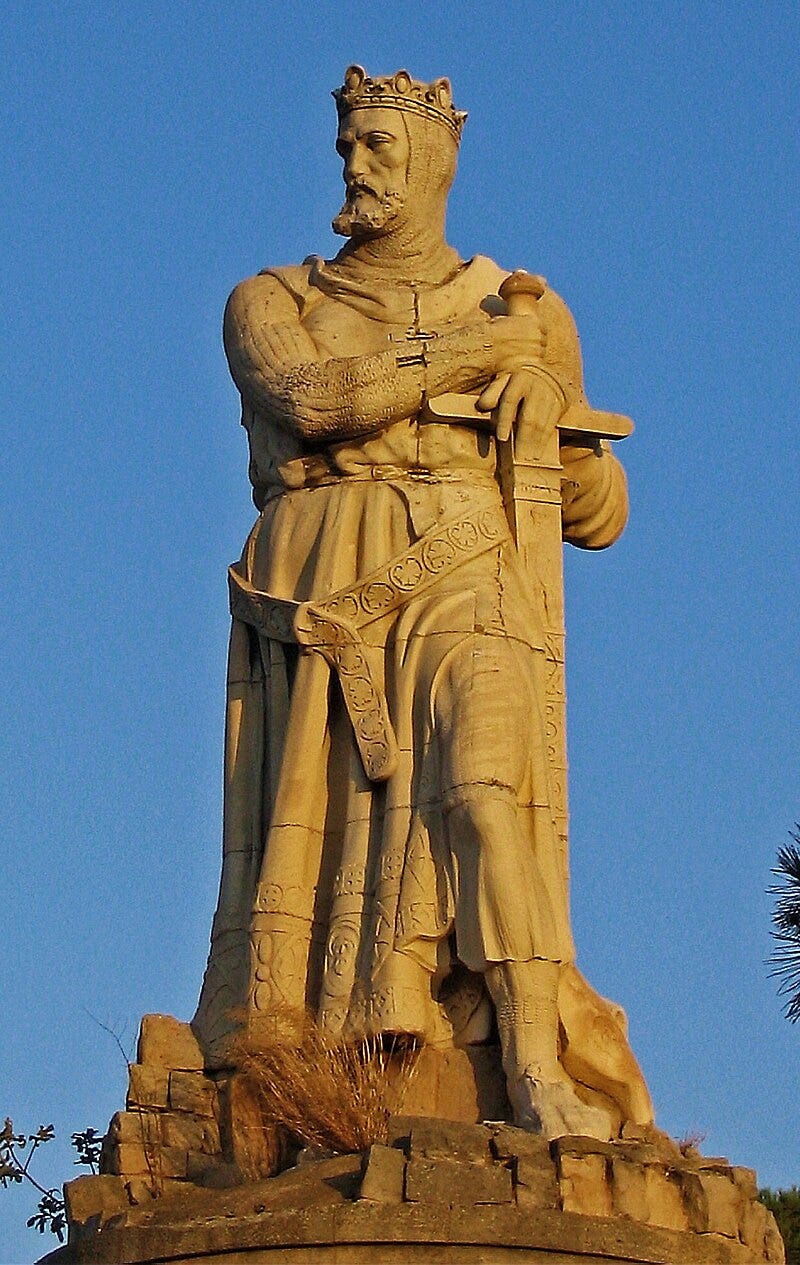
The conquest of Zaragoza made Alfonso one of the most powerful rulers in Spain. It also cemented his personal reputation as a warrior-king. Unlike many monarchs who left the dirty work to their generals, Alfonso was always in the saddle. Chroniclers described him as tireless in campaigning… so much so that his nickname, “el Batallador” (the Battler), began to appear in contemporary records.
His military style was aggressive and direct. He favored rapid cavalry raids to devastate enemy lands, followed by sieges of key fortresses. He understood that in medieval Spain, castles were the keys to kingdoms. Each stronghold taken was a permanent step forward; each one lost was a step back.
The Ill-Fated Royal Marriage
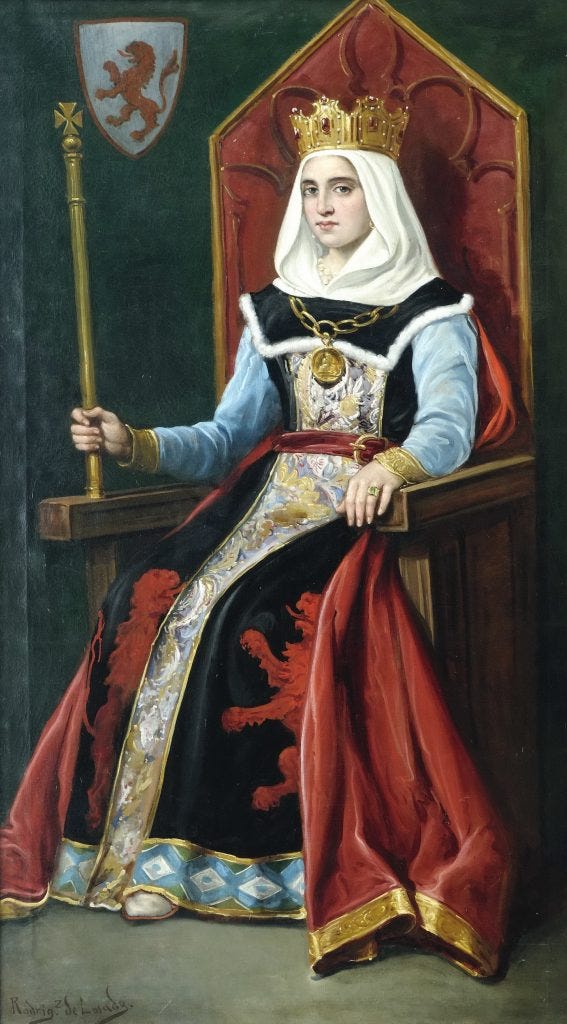
In 1109, years before Zaragoza’s fall, Alfonso had married Urraca of León and Castile, one of the most politically significant unions in medieval Spain. Urraca was the widow of Raymond of Burgundy and the heiress to León and Castile, the largest Christian realm in Iberia.
On paper, the marriage should have united Aragon with León and Castile into a super-kingdom that could dominate the peninsula. In practice, it was a disaster. Urraca and Alfonso were both strong-willed and unwilling to share power. The marriage quickly degenerated into open hostility, with Urraca’s nobles resisting Alfonso’s attempts to assert authority in their lands.
Civil war followed. By 1114, the marriage was annulled, the alliance was shattered, and Alfonso returned to Aragon embittered but undeterred. The failed union was a lost chance for political unity, but it did not slow his military ambitions.
Raids Deep Into al-Andalus
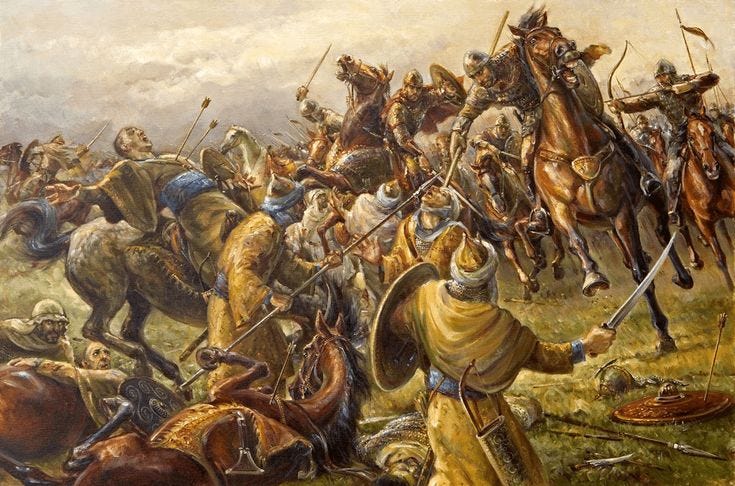
From his base in Zaragoza, Alfonso launched relentless campaigns into Muslim territory. His raids reached as far south as Granada and as far east as Valencia. In 1120, he won a crushing victory over the Almoravids at the Battle of Cutanda, where his forces killed thousands of enemy troops and captured valuable supplies.
Alfonso’s campaigns were about attrition… weakening the economic base of his enemies, capturing slaves, and bringing back loot to reward his soldiers. He practiced a form of total war rare for the period, leaving little standing in the lands he crossed.
The Crusader King
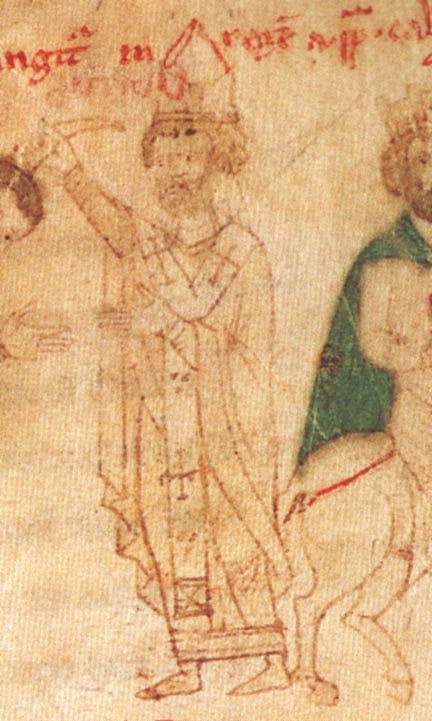
Alfonso’s reputation extended beyond Spain. In an age when the Crusades to the Holy Land had fired the imagination of Christendom, his victories against Muslim forces in Iberia were seen as part of the same struggle. Pope Gelasius II and his successor Callixtus II granted his campaigns the same spiritual rewards as the Crusades in the East.
This connection to the wider crusading movement brought Alfonso volunteers from France and beyond. Knights who had fought in the First Crusade or who longed for the spiritual merit of such warfare found in Aragon a new theater for holy war.
The Conquest of Tudela and Beyond
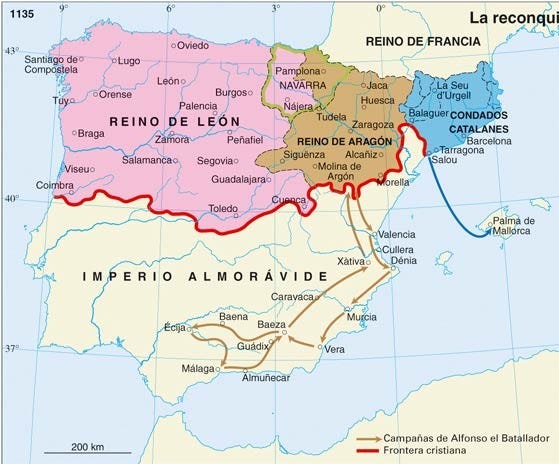
In 1119, Alfonso captured Tudela, securing the Ebro Valley and consolidating his hold on the frontier. He fortified the city and used it as a forward base for deeper raids. Each year, he pushed the line further south, taking towns, cutting supply routes, and forcing Muslim rulers to pay tribute or face destruction.
By the early 1120s, Alfonso controlled a continuous stretch of territory from the Pyrenees to the banks of the Jalón and Huerva rivers. This gave Aragon unprecedented reach and security.
From here, Alfonso’s war changed in scale (and in style). The raids grew longer. The sieges more dangerous. He began to take risks that even his own knights thought reckless.
The next chapter is where his legend really begins… and where the decisions he made would decide the fate of his kingdom for generations.
That story is for members only.