
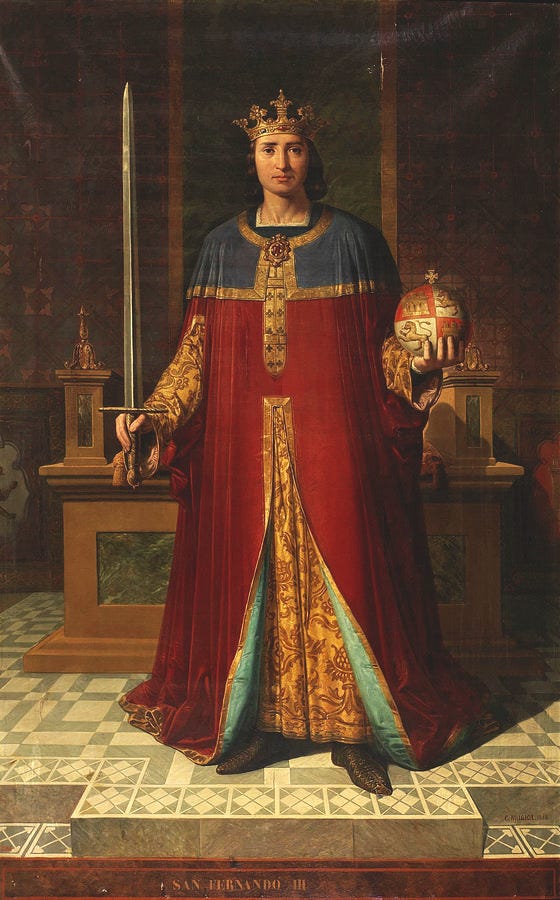
Ferdinand III was born in 1199, at a time when Spain was split between two worlds. In the north were the Christian kingdoms of Castile, León, Navarre, Aragón and Portugal. They shared the same faith but did not always act together. Each guarded its own lands and its own power, and their kings often fought each other as much as they fought the south.
The south was al-Andalus. It had once been a single Muslim empire that ruled most of the peninsula. Its capital, Córdoba, had been famous for its wealth, learning and beauty. By Ferdinand’s time that age had passed. The Almohad Caliphate, which ruled from North Africa, still held power there, but it was weaker than before. Rivalries and unrest were pulling it apart, and its great defeat at the Battle of Las Navas de Tolosa in 1212 had ended its fearsome reputation.
Even so, Andalusia was still rich. The valleys of the Guadalquivir and Genil were full of crops. Cities like Córdoba, Seville and Granada shone with mosques, palaces and busy markets. But the unity that had made Muslim Spain strong was gone. Divisions had opened the way for Christian armies to keep pushing south.
This was the world Ferdinand was born into. His father was Alfonso IX of León. His mother was Berenguela of Castile. Through them, he was linked to both kingdoms and stood to inherit not just two crowns, but the hopes of a united Christian Spain…
A Young King in a Dangerous Position
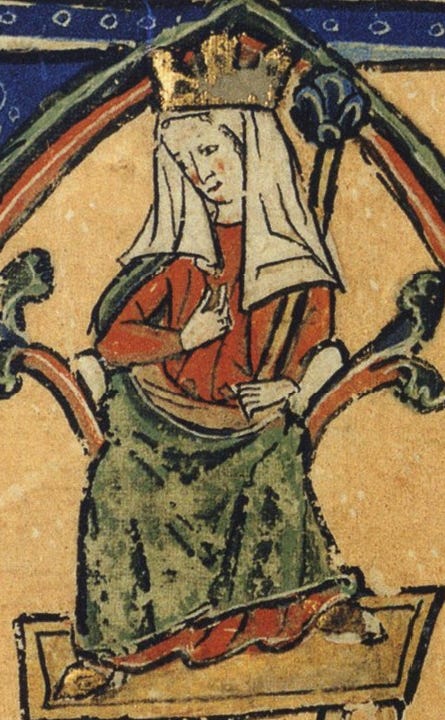
Ferdinand’s childhood was steeped in politics. His mother Berenguela was one of the most capable rulers of her time, but her position was never secure. Factions at court schemed to control her. Nobles tested the limits of her authority.
In 1217, the throne of Castile faced a crisis. The king, Henry I, had died unexpectedly. Berenguela had a claim but knew that as a woman her rule would be challenged at every turn. So she made a bold move. She renounced her right and placed the crown on the head of her teenage son.
It was risky. A boy-king was vulnerable to manipulation. But Ferdinand proved unexpectedly steady. He learned quickly, listened carefully, and avoided rash decisions. He rewarded loyalty, but he also asserted his own will.
The Union of Castile and León
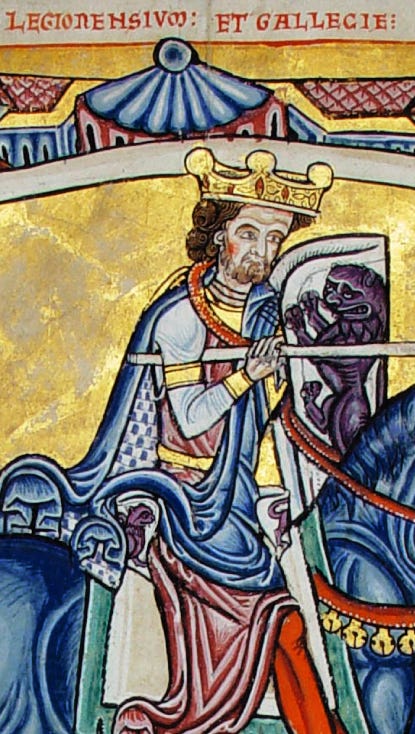
The first great triumph of Ferdinand’s reign came without a sword being drawn. In 1230, his father Alfonso IX of León died. By rights, the throne of León should have gone to Ferdinand’s half-sisters, but politics intervened. A treaty arranged between Berenguela and her rivals gave the crown to Ferdinand.
This moment changed the balance of power in Christian Spain. For centuries, Castile and León had been separate. Now they were united under one ruler. Ferdinand commanded more land, more soldiers, and more resources than any of his northern rivals. He had the base from which to strike deep into Andalusia.
The Enemy to the South
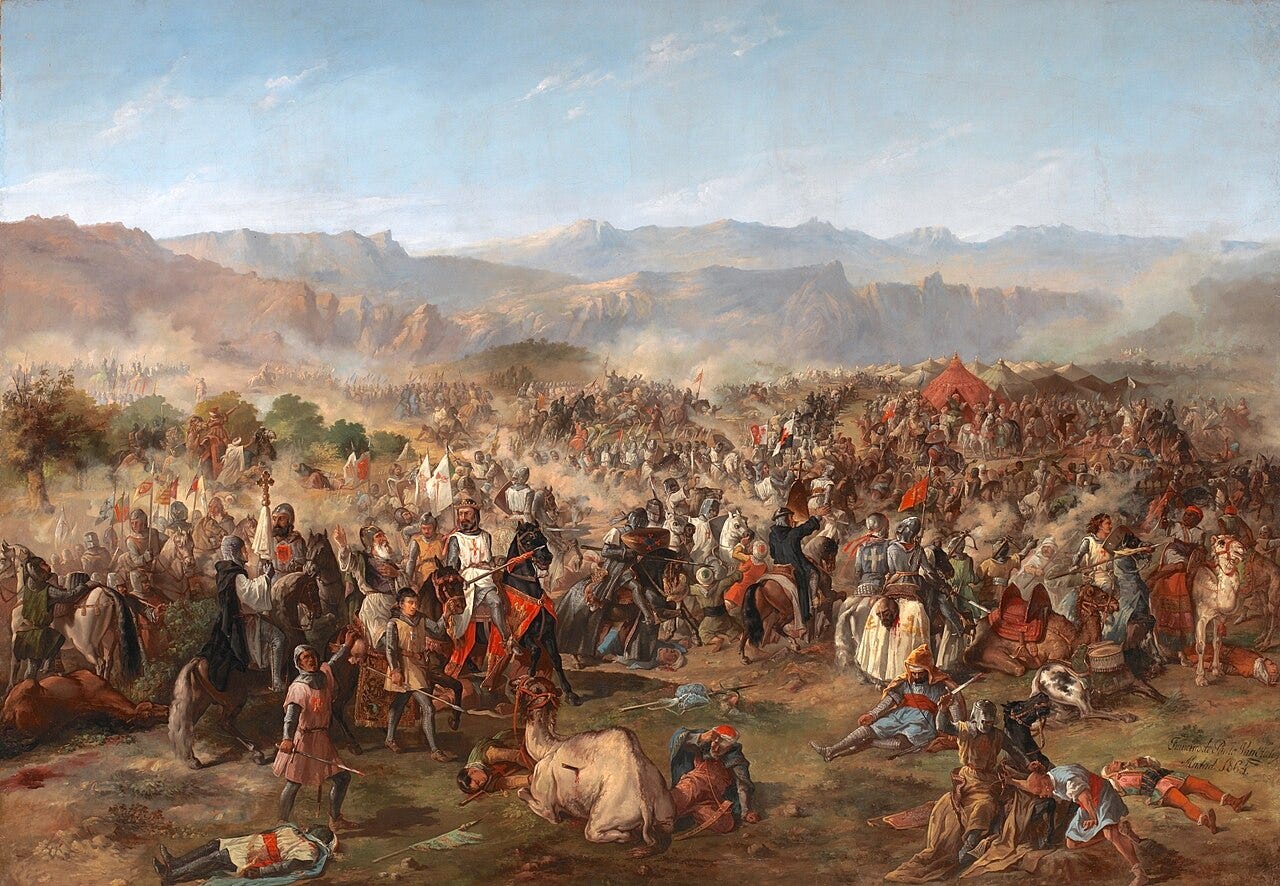
By the early 13th century, the Almohad empire in Spain was collapsing. Defeat at Las Navas de Tolosa had forced them to retreat, leaving the Muslim cities of Andalusia to fend for themselves. Many fell into the hands of local rulers who swore nominal allegiance to the Almohad caliph but ruled as they pleased.
For Ferdinand, this was both a challenge and an opening. He was a devout Christian who saw the Reconquista as a divine mission. He did not view Muslim rulers as potential allies in the way earlier Christian lords sometimes had. To him, Islamic power in Spain was something to be dismantled entirely. So based.
The Campaign for Córdoba
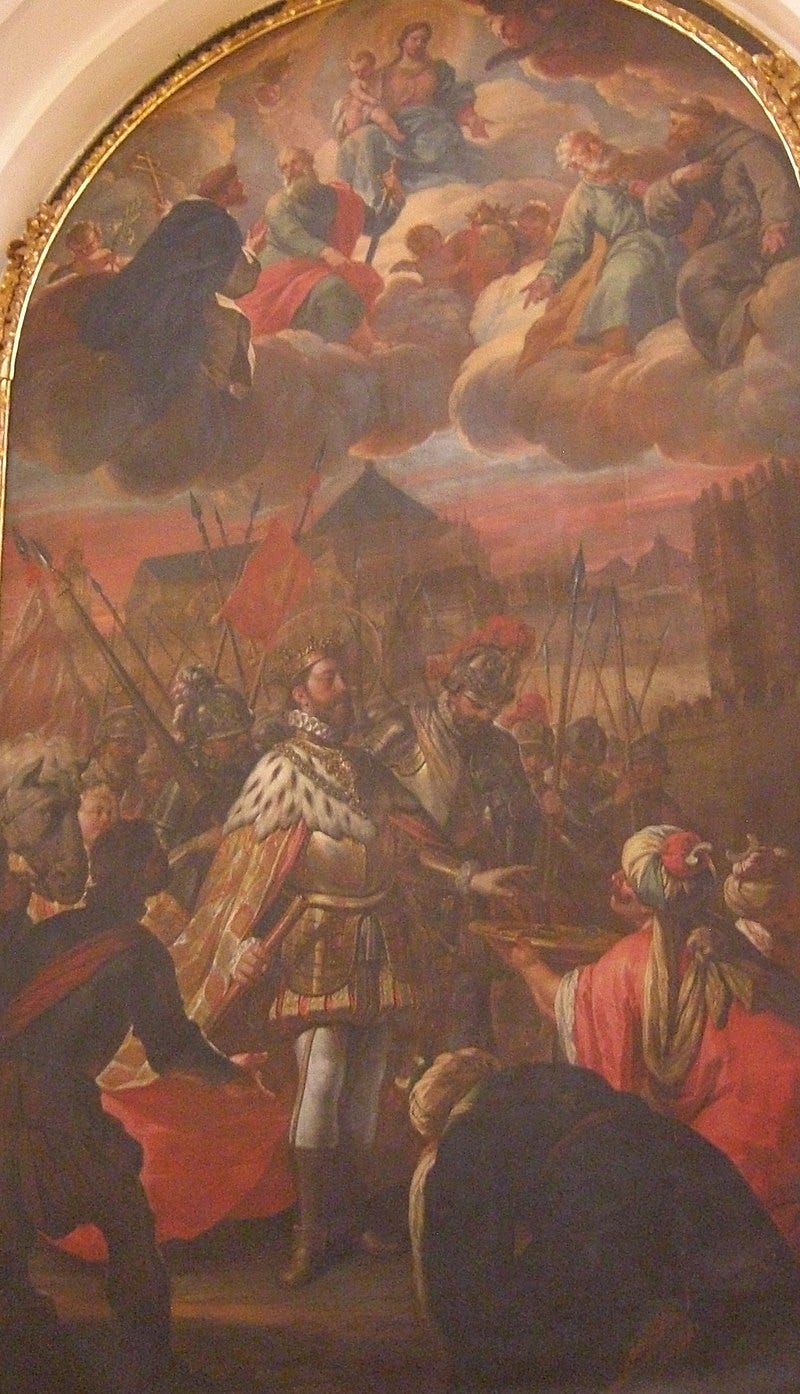
In 1236, the chance came to strike at one of the greatest cities of the Muslim world: Córdoba. Once the seat of the caliphate, Córdoba was more than just a strategic stronghold. For centuries it had been the center of Muslim learning, home to scholars, poets, and architects.
The city fell through a combination of military pressure and internal treachery. Discontented factions inside opened the gates to Ferdinand’s troops. The capture was swift but decisive.
Ferdinand entered the city knowing exactly what it meant. He ordered the Great Mosque, one of the wonders of Islamic architecture, to be consecrated as a Christian cathedral. This act sent a message far beyond Spain: the tide had turned. The city that had once been the beating heart of Muslim power in the West now belonged to the cross.
Pushing the Frontier
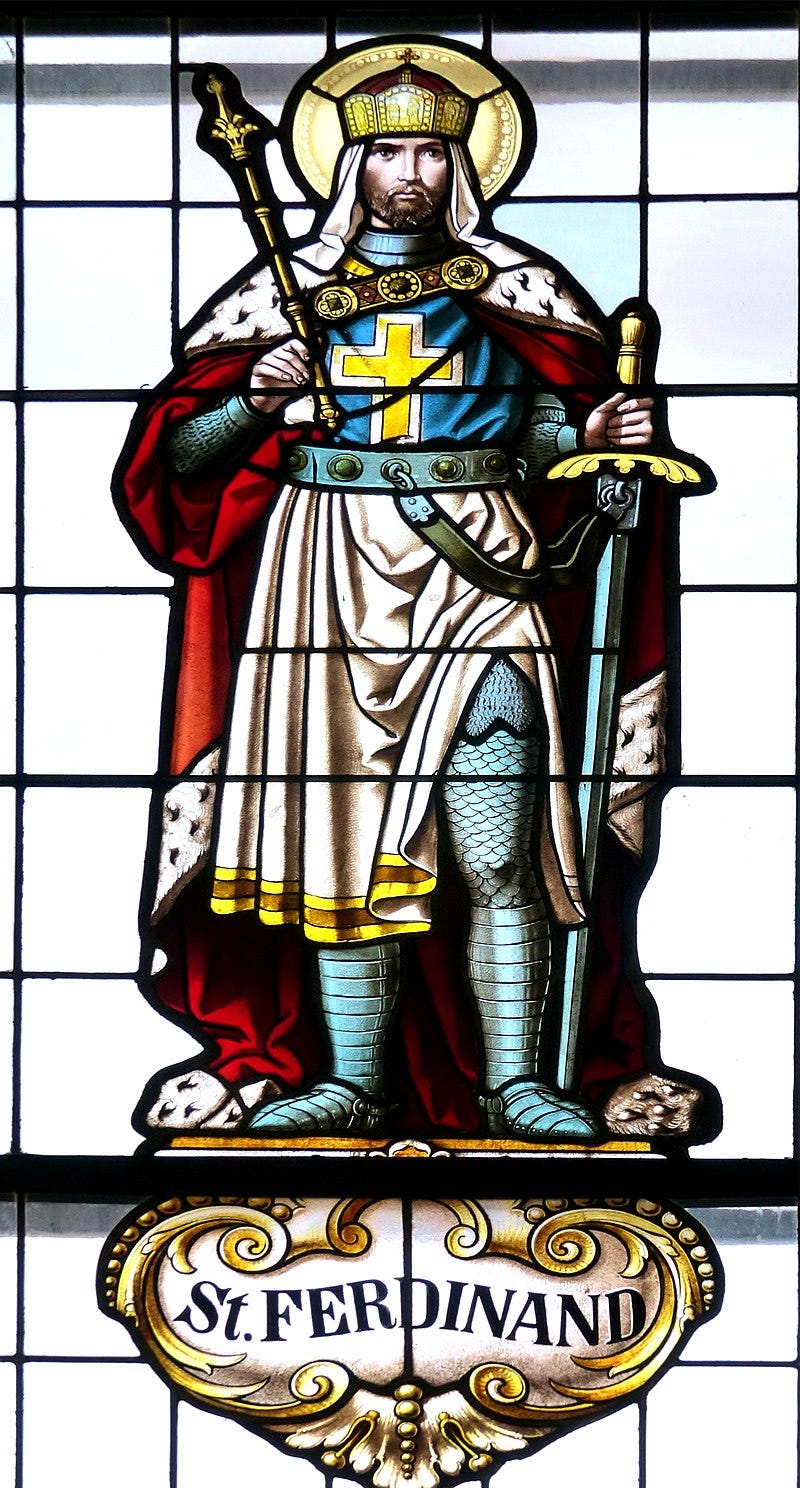
After Córdoba, Ferdinand did not pause. His armies moved steadily through Andalusia, taking towns and fortresses along the Guadalquivir valley. He encouraged settlers from the north to move into the conquered lands, offering them land and privileges. Each conquest shifted the frontier southward and replaced Muslim governance with Christian law.
One by one, the strongholds of Andalusia fell. But one city stood like a gate blocking the way to Granada: Jaén.
The Siege of Jaén
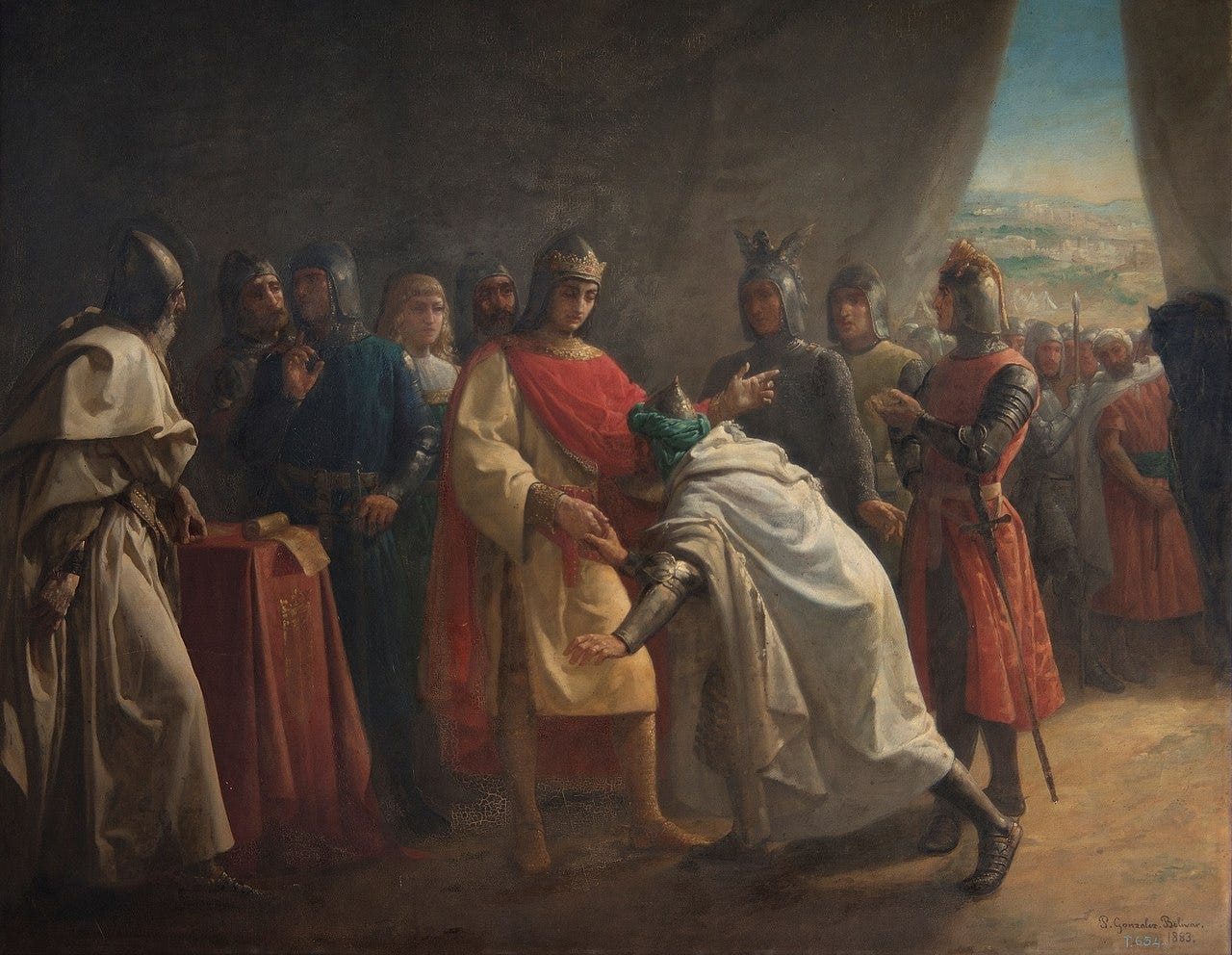
Jaén was a fortress city built into the hills, with walls that climbed the slopes like stone rivers. Its towers commanded the valleys around it. To take Jaén was to open the road to Granada.
Ferdinand besieged the city in 1245. The defenders fought fiercely, launching sorties to burn siege engines and harass the attackers. The Castilians cut the supply lines, and hunger began to work its slow, cruel power.
In 1246, the city surrendered. The terms were harsh but strategic. Muhammad I, the Nasrid emir of Granada, agreed to become Ferdinand’s vassal, paying tribute in gold each year. Granada would survive as a Muslim state for more than two centuries, but now it did so under Christian overlordship.
The Road to Seville
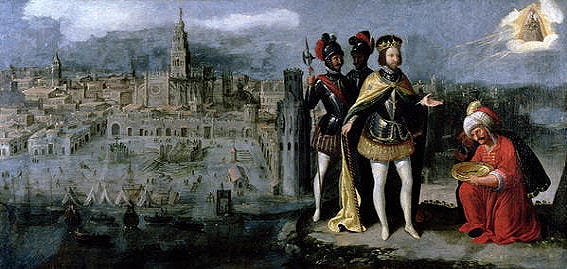
Seville was the richest city left in Muslim Spain. Its river brought goods from across the Mediterranean. Its walls were high and strong. Its people were proud.
Ferdinand knew taking Seville would be his greatest test. In 1247, he gathered one of the largest armies ever seen in the Reconquista. Knights and foot soldiers from all over Castile and León joined the campaign. A fleet of ships sailed upriver to block supplies from reaching the city.
The siege dragged on for more than a year. The defenders tried to break the blockade with fire ships, but the Castilian navy held firm. Inside the walls, famine grew. Outside, Ferdinand’s army built siege towers and battering rams, slowly tightening the noose.
In November 1248, Seville surrendered. Ferdinand rode in procession through its streets…
Seville was his biggest win, but the story doesn’t end with the gates opening. What happened next is the part you never get in textbooks. Inside the city, Ferdinand faced choices that were harder than the siege itself. Who to trust. Who to spare. How to hold a place that had been his enemy for centuries.
If you want to see how he turned a single victory into control that lasted generations… that part is for members only.