
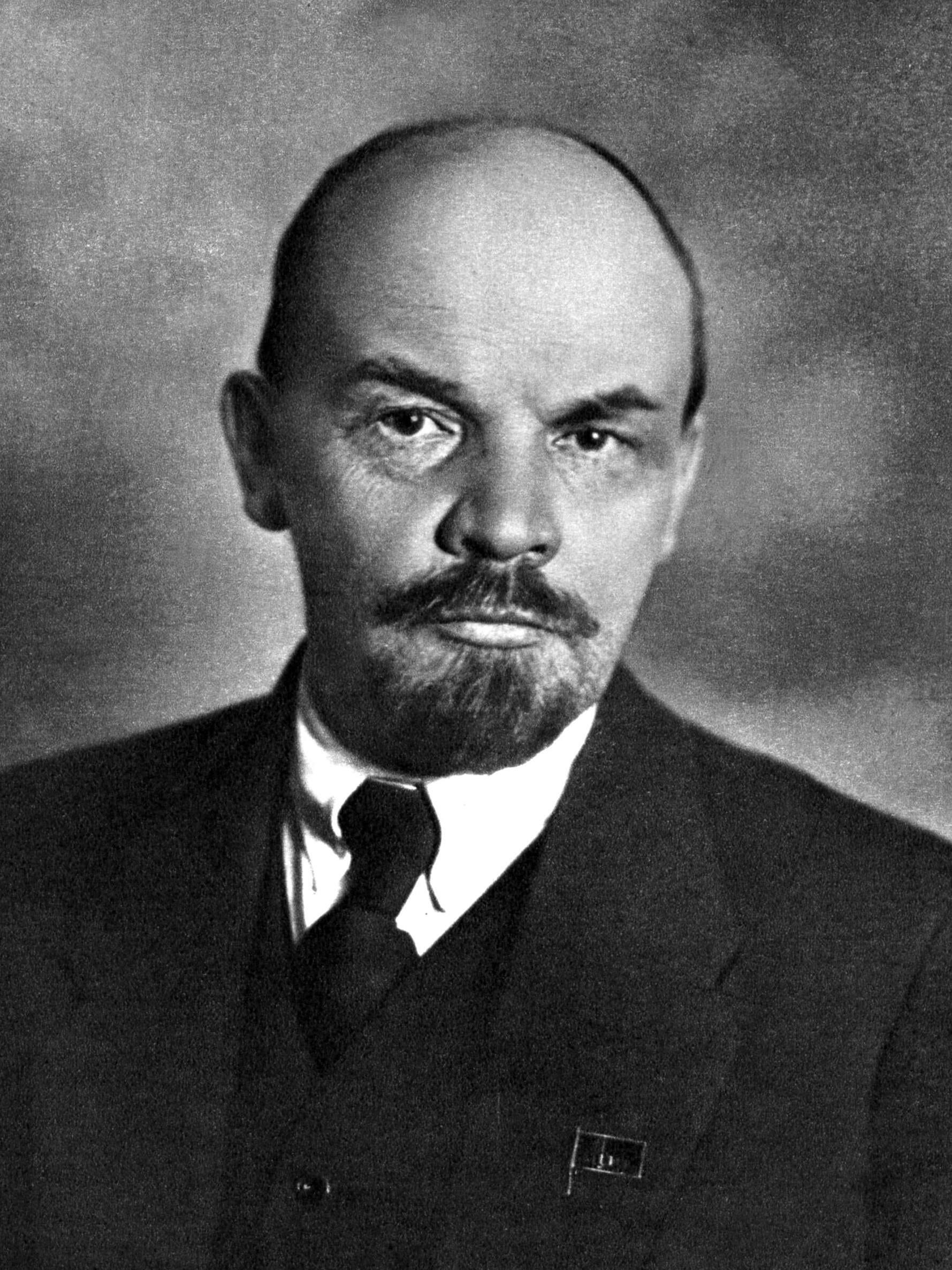
We’re used to thinking of evil as something wild. Something unhinged. Screaming madmen with guns. But the most dangerous men in history weren’t like that. They were calm. Cold. Precise. They wore suits. They spoke in essays. They organized terror with a pen.
That’s what made Lenin so dangerous.
He didn’t look like a revolutionary. He looked like an accountant. But behind the dull, clipped speech was a mind obsessed with power. Over truth. Over history. Over God.
Most people don’t know what Lenin really believed. They think he was some kind of idealist. That he wanted a fairer system, maybe went too far. But when you read what he wrote, and more importantly what he did, you see a man who believed he could replace God with the state.
That’s not a metaphor. It’s the core of Bolshevism. You can’t understand the Russian Revolution if you think it was about class. That was the excuse. The real target was metaphysical. Lenin wanted to kill the idea that there’s anything higher than man.
Especially God.
Where Did the Hatred Start?
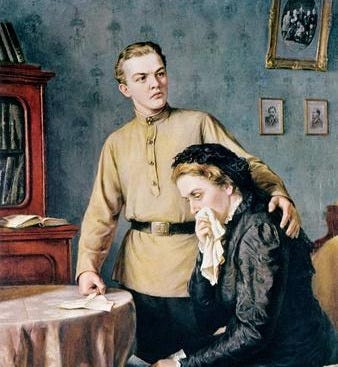
Lenin’s real name was Vladimir Ilyich Ulyanov. He was born in 1870 into a moderately well-off family. His father was a devout Russian Orthodox Christian and a state education official. His mother, also religious, was from a cultured background. They raised their children with books, music, and the rituals of the Orthodox Church.
Then everything shattered.
In 1887, Lenin’s older brother Alexander was executed for attempting to assassinate Tsar Alexander III. The execution radicalized the young Vladimir. He was only 17. He lost his faith in the system—but more importantly, he lost his faith in faith itself. As one biographer put it, “He stopped believing in God the same day he stopped believing in the tsar.”
It’s hard to overstate the significance of this. Most revolutionaries hated the regime. Lenin hated the entire spiritual structure of Russian life. He wasn’t content to topple the government. He wanted to erase the sacred. And from that moment, everything he did… every pamphlet, every speech, every act of violence—was in service of that goal.
He became a Marxist. Not a social democrat. Not a reformer. A full-blooded, dialectical materialist. That meant he believed there was no soul. No afterlife. No eternal truth. Just economics. Class struggle. History as a machine. Religion was a lie. A “spiritual vodka,” he called it. A tranquilizer used to keep the masses asleep.
Lenin wasn’t content to disbelieve. He despised. He called religion “medieval necrophilia.” He believed that priests were parasites. Churches were breeding grounds for “superstition.” He thought Christian love was weakness, and Christian humility a trap. God demanded obedience. Lenin wanted revolution.
The two couldn’t coexist.
How Lenin Rose to Power
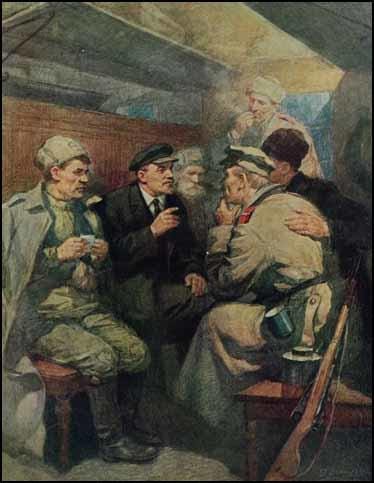
He started as a writer. A revolutionary in exile. For years, he lived in Switzerland, scribbling diatribes about the “bourgeois clergy” and fantasizing about a dictatorship of the proletariat. But there were hundreds of Marxists in Europe. What made Lenin different?
Two things: his genius for strategy, and his total lack of conscience.
Most Russian socialists in the early 1900s wanted to work within the system. They wanted gradual reform. They debated. They negotiated. Lenin hated that. He believed in a professional revolutionary class “a vanguard party” that would seize power and never give it back. He didn’t care how many people died along the way. He saw politics like chess. You sacrifice pawns to take the king.
In 1903, he split the Russian Social Democratic Labor Party into two factions: the Mensheviks and the Bolsheviks. The Mensheviks wanted consensus. The Bolsheviks, led by Lenin, wanted conquest.
Then came the First World War.
While the Russian Empire collapsed in blood and confusion, Lenin saw opportunity. In 1917, Germany secretly transported Lenin from Switzerland back to Petrograd in a sealed train. Why? Because they knew he’d destabilize Russia from within. They were right.
Within months, Lenin had hijacked the revolution. The February uprising had forced Tsar Nicholas II to abdicate. A provisional government took over, promising democracy. Lenin crushed it. In October, the Bolsheviks staged a coup, seized the Winter Palace, and declared a new regime. It wasn’t a workers’ state. It was a one-party dictatorship with Lenin at the top.
He called it liberation. It was the start of a reign of terror.
The Red Terror Begins
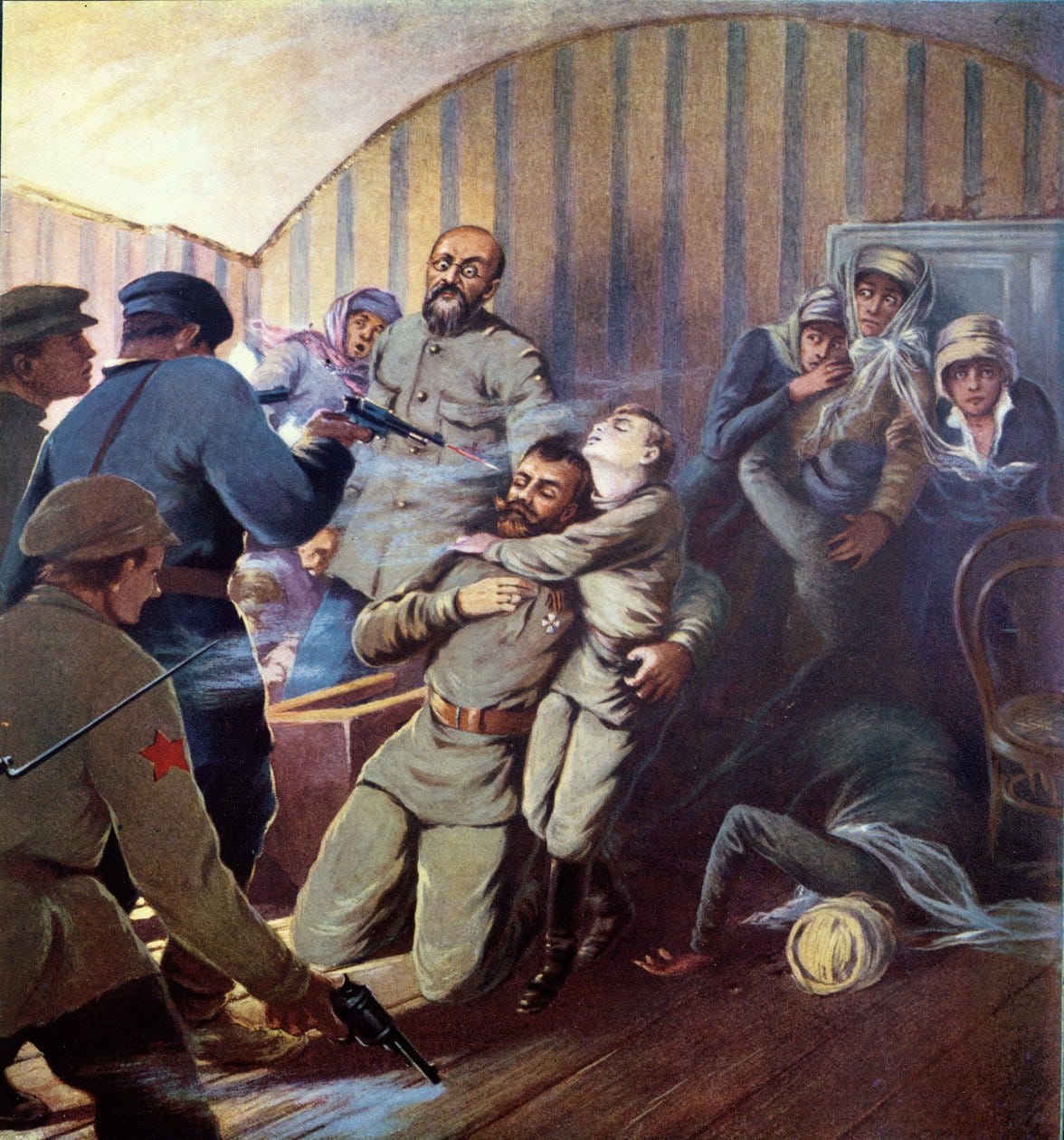
Lenin wasted no time. Just days after taking power, he issued the Decree on Land and the Decree on Peace. It sounded noble. But within weeks, he created the Cheka, (the secret police) and authorized mass arrests, torture, and executions.
His goal was total control.
And nowhere was that control more violently enforced than against the Church.
In 1918, he issued the Decree on the Separation of Church and State. It abolished the Church’s legal status. All church property was seized. Religious education was banned. Priests were barred from voting, organizing, or publishing.
Then came the blood.
In just one year, more than 1,000 clergy were murdered. In Moscow alone, hundreds were executed. Archbishop Andronik of Perm was buried alive. Metropolitan Vladimir of Kiev was dragged into a field and shot in the head. The Cheka filmed the executions of priests and showed the footage in cinemas as revolutionary propaganda.
In 1922, during the great famine, Lenin used the hunger crisis to escalate the war on religion. Churches had offered to sell their valuables to feed the poor. Lenin refused. Instead, he sent agents to forcibly seize icons, chalices, and relics—many of which were destroyed or sold abroad. Resistance was met with bullets. In one month, more than 8,000 people were executed for trying to defend churches from looters.
Lenin’s orders were clear. In a secret memo to his Politburo, he wrote:
“It is now and only now, when in the starving regions people are eating human flesh… that we can (and therefore must) carry out the confiscation of church valuables with the most savage and merciless energy.”
That’s a direct quote. From the man modern intellectuals still praise as a “visionary.”
What He Created
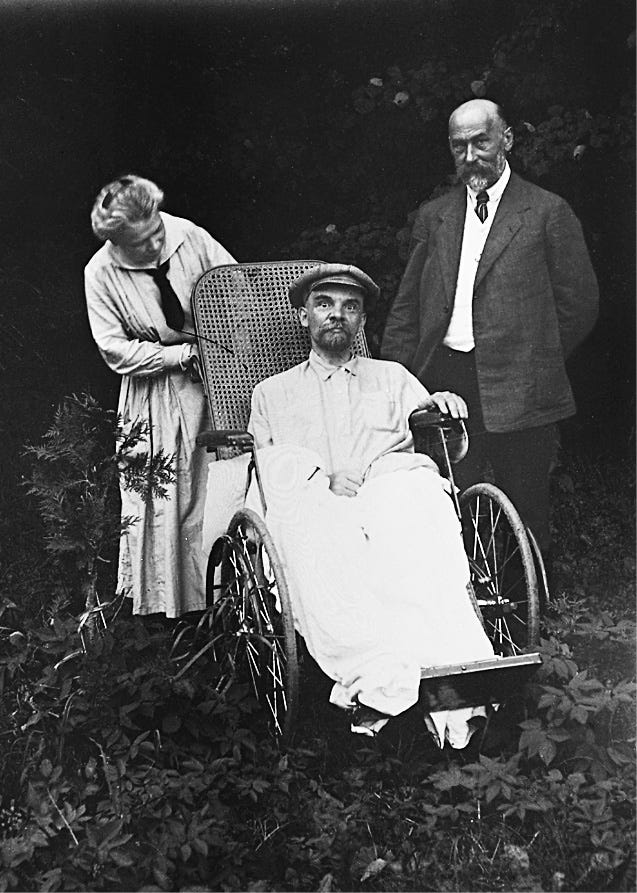
When Lenin died in 1924, the Soviet Union was already a prison of the soul. Thousands of churches had been shut down. Millions of believers had gone into hiding. Children were taught in school to report their parents for praying. Faith became a crime. Truth became whatever the Party said it was.
And Lenin? They embalmed his corpse and put it on display like a saint. A godless parody of sainthood. People lined up to see his body in a glass case, lit with artificial light, guarded by silent men in uniform. A secular shrine.
It still stands in Red Square today.
That’s the final irony. The man who hated religion the most became the object of one. His hatred of God was so total that he tried to replace Him. But instead of creating heaven on earth, he built hell in a cold, gray uniform.
Why It Still Matters
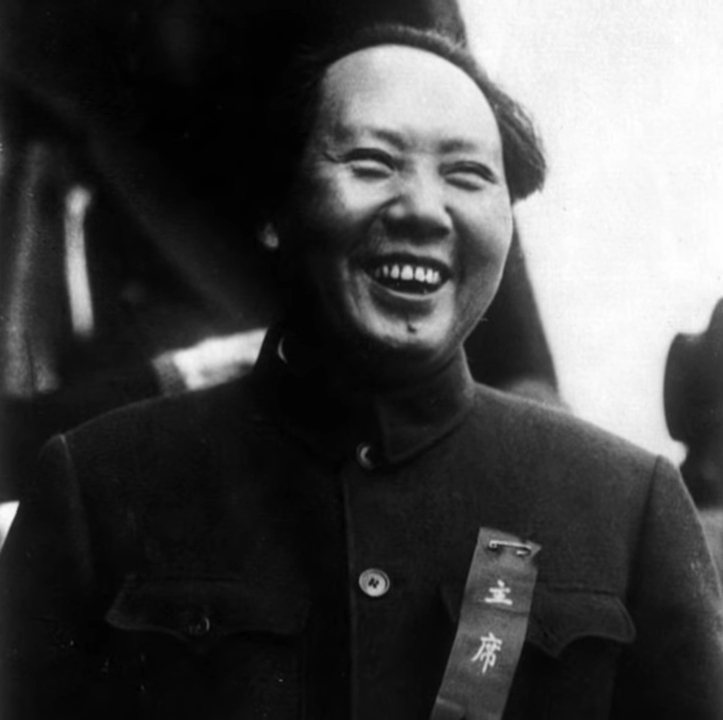
Mao. Pol Pot. Castro. Every one of them read Lenin. Every one of them learned that to destroy a people, you start by destroying their religion. You empty their churches. You humiliate their priests. You teach their children that faith is shameful and history is a lie. And once they have no memory left of what came before… then you own them.
That’s the legacy of Lenin.
So no, we shouldn’t build statues to him.
We should build memorials to his victims.
And we should remember. What was done once can be done again.
Not with guns and gulags. But with ridicule. With bureaucracy. With the slow, grinding erasure of tradition. The same hatred of God is still alive today. It just wears different clothes.
The lesson of Lenin is simple:
When man tries to become God, hell follows.
Most history books stop here… Lenin seizes power, the monarchy falls, and a new era begins. But what did that new era actually look like? What happened to ordinary Russians once the speeches ended and the slogans faded?
This is the part they don’t teach you in school.
Here’s what the revolution really brought…