
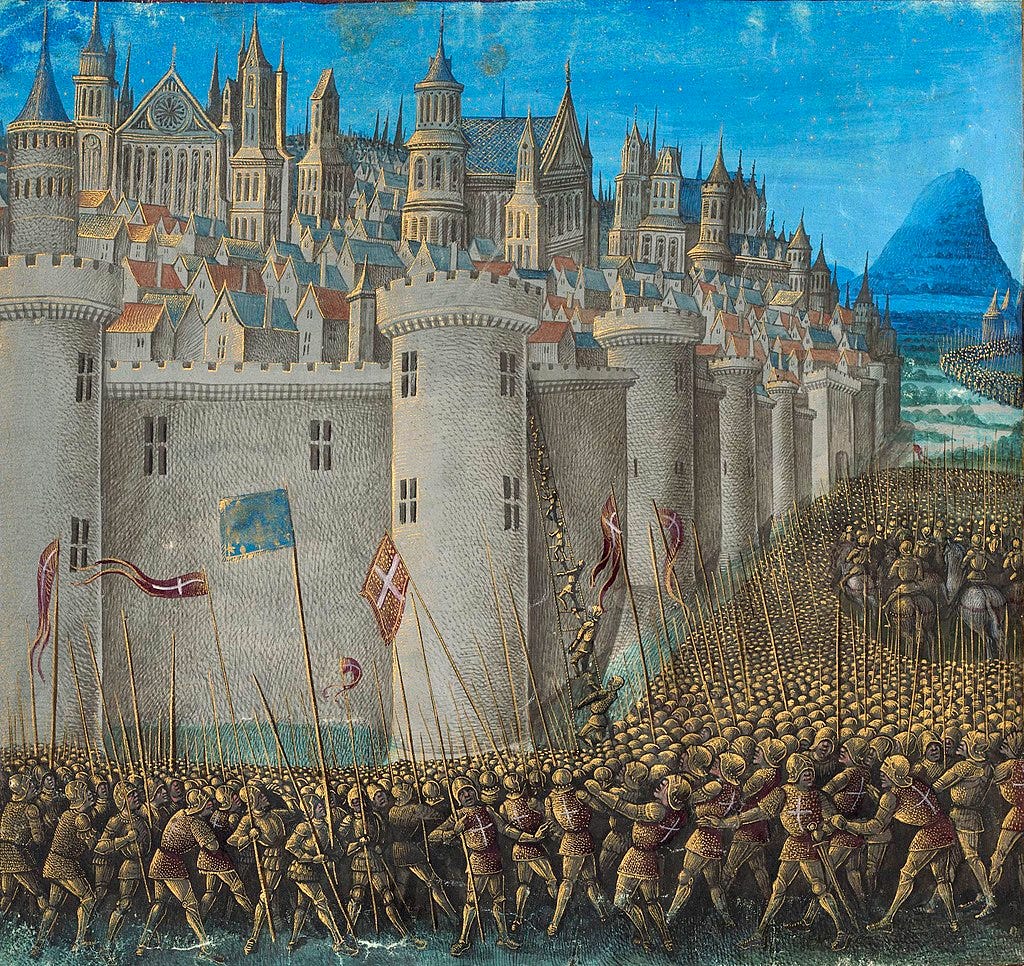
The First Crusade is remembered for Jerusalem, but its most incredible story happened a year earlier at Antioch. For eight long months, the Crusaders starved outside its walls. Men died of hunger, horses were eaten, discipline nearly broke. Then, just as victory seemed within reach, a Muslim relief army arrived and trapped them inside the very city they had fought so hard to take. At that point the Crusade should have ended. Yet against all odds, the starving, half-dead Crusaders marched out and won. The Siege of Antioch was a paradox… two sieges in one, a nightmare of hunger and betrayal that turned into one of the most unlikely victories in history. Without it, Jerusalem would never have fallen, and the Crusades themselves might have fizzled out as a failed expedition. Antioch was the hinge of the whole movement.
The Road to Antioch
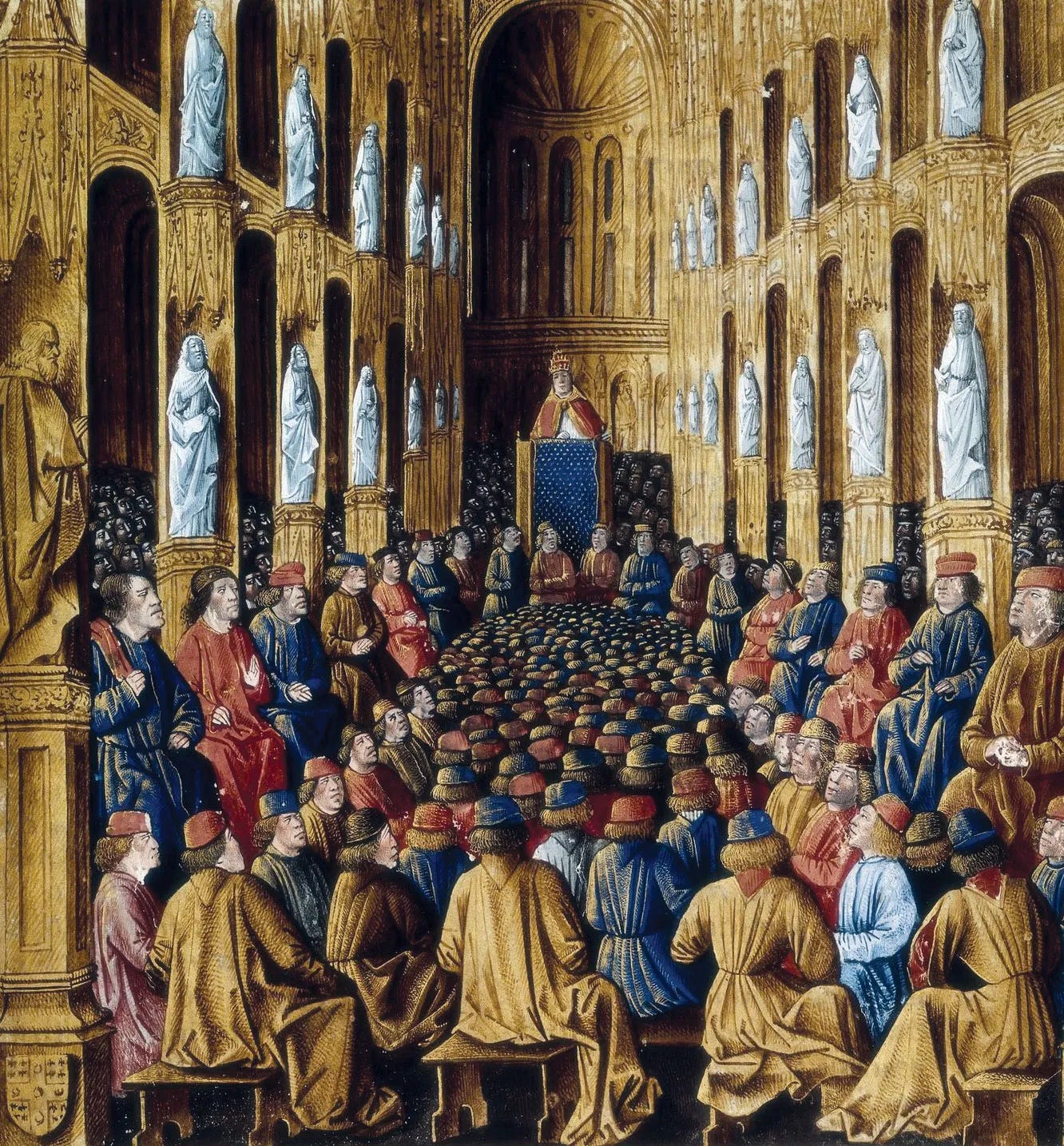
The Crusaders had begun their march in 1096, answering Pope Urban II’s call at Clermont the year before. They came from every corner of Europe: French knights, Norman adventurers, Flemish lords, Provençal counts. Their leaders were men of ambition and pride: Bohemond of Taranto, Raymond of Toulouse, Godfrey of Bouillon, Robert of Normandy, Hugh of Vermandois. They were not united under one king, but a coalition of princes, each with his own followers.
In Anatolia they had already been tested. At the Battle of Dorylaeum in July 1097, the Seljuk Turks had nearly destroyed them. But the Crusaders rallied, held together, and pushed on. By the autumn they stood before Antioch, one of the greatest cities of the East.
Antioch was no ordinary target. It had once been the third city of the Roman Empire, after Rome and Constantinople. Its walls stretched twelve miles, with 400 towers. To the Crusaders, it was not only a military obstacle but a symbol. If they could capture Antioch, their road to Jerusalem would be open. If they failed, the entire expedition might collapse.
The governor of the city was Yaghi-Siyan, a Seljuk appointed by Malik-Shah. He knew Antioch was vulnerable: its population included many Christians, Armenians and Greeks, who might side with the Crusaders. He expelled the Greek Orthodox patriarch and tightened his defenses.
The First Siege: Starvation
The Crusaders arrived in October 1097. At first they tried to surround the city, but they had too few men. Their siege lines were thin, and Antioch could still receive supplies from outside. Meanwhile, the Crusaders themselves were starving.
The winter of 1097–1098 was brutal. Supplies from Constantinople dwindled. Foraging parties risked ambush. Food became so scarce that knights slaughtered their horses for meat. Chronicler Raymond of Aguilers wrote:
“Our men suffered hunger so great that they ate the flesh of horses, asses, camels, and even of dogs. Some boiled leather, others dug up roots from the ground.”
Fulcher of Chartres confirmed the misery:
“So many of the poor died that the living could scarcely bury them. We were reduced to eating the hides of beasts, softened in boiling water.”
Desertion became common. Stephen of Blois, one of the leaders, slipped away, convinced the Crusade was doomed.
The Muslim garrison, meanwhile, taunted the besiegers from the walls. Yaghi-Siyan remained confident that the Crusaders would wither away. But he underestimated their stubbornness.
Treachery in the Towers
After months of suffering, the Crusaders realized that sheer force would never take Antioch. The walls were too high, the defenders too determined. They needed treachery.
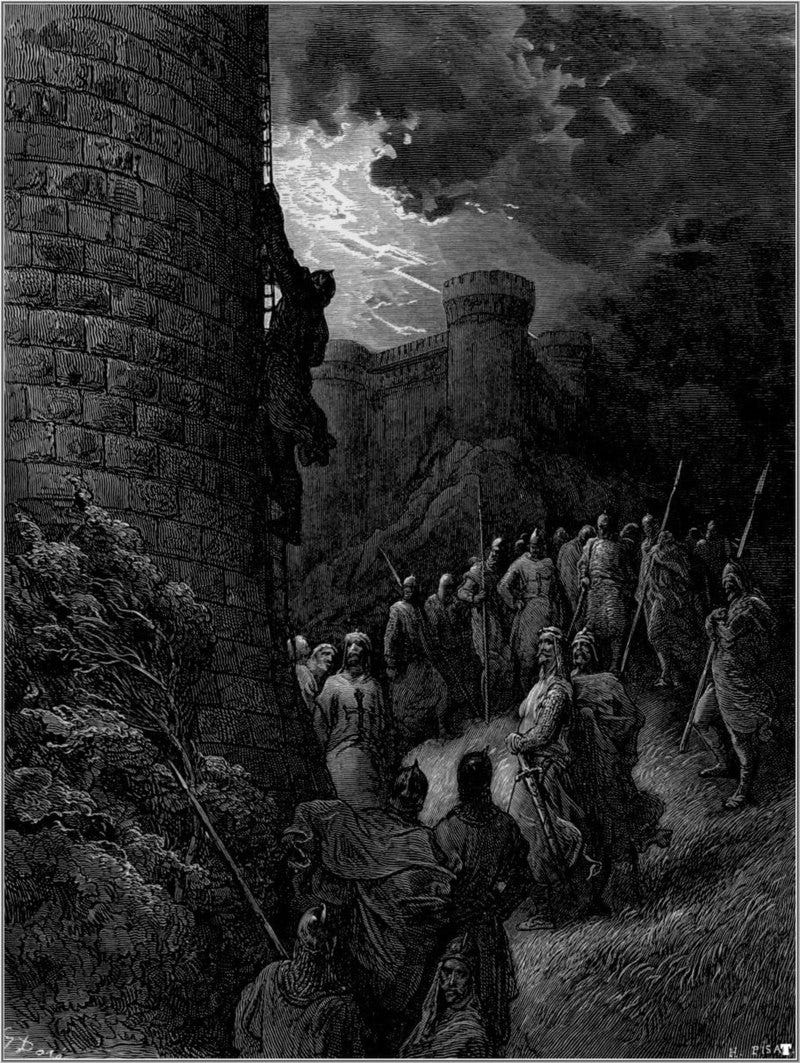
Bohemond of Taranto took the lead. Ambitious and ruthless, he saw his chance to claim Antioch for himself. He opened secret negotiations with an Armenian guard named Firouz, who commanded one of the towers. Firouz, embittered against Yaghi-Siyan, agreed to betray his post.
On the night of June 2, 1098, Bohemond led a small force to the tower. Firouz lowered ropes. Crusaders climbed the walls in silence, seized the tower, and opened the gates.
The army poured in. Antioch was taken in a night of chaos and slaughter. Yaghi-Siyan fled but was killed by local villagers. His severed head was brought to the Crusaders. After eight months of misery, the city was theirs.
Raymond of Aguilers recorded their joy:
“When our men entered the city, the Saracens fled in confusion. The streets were choked with bodies, and the air was filled with cries. We gave thanks to God, who had delivered so great a city into our hands.”
But the joy did not last.
The Tables Turn: Kerbogha Arrives
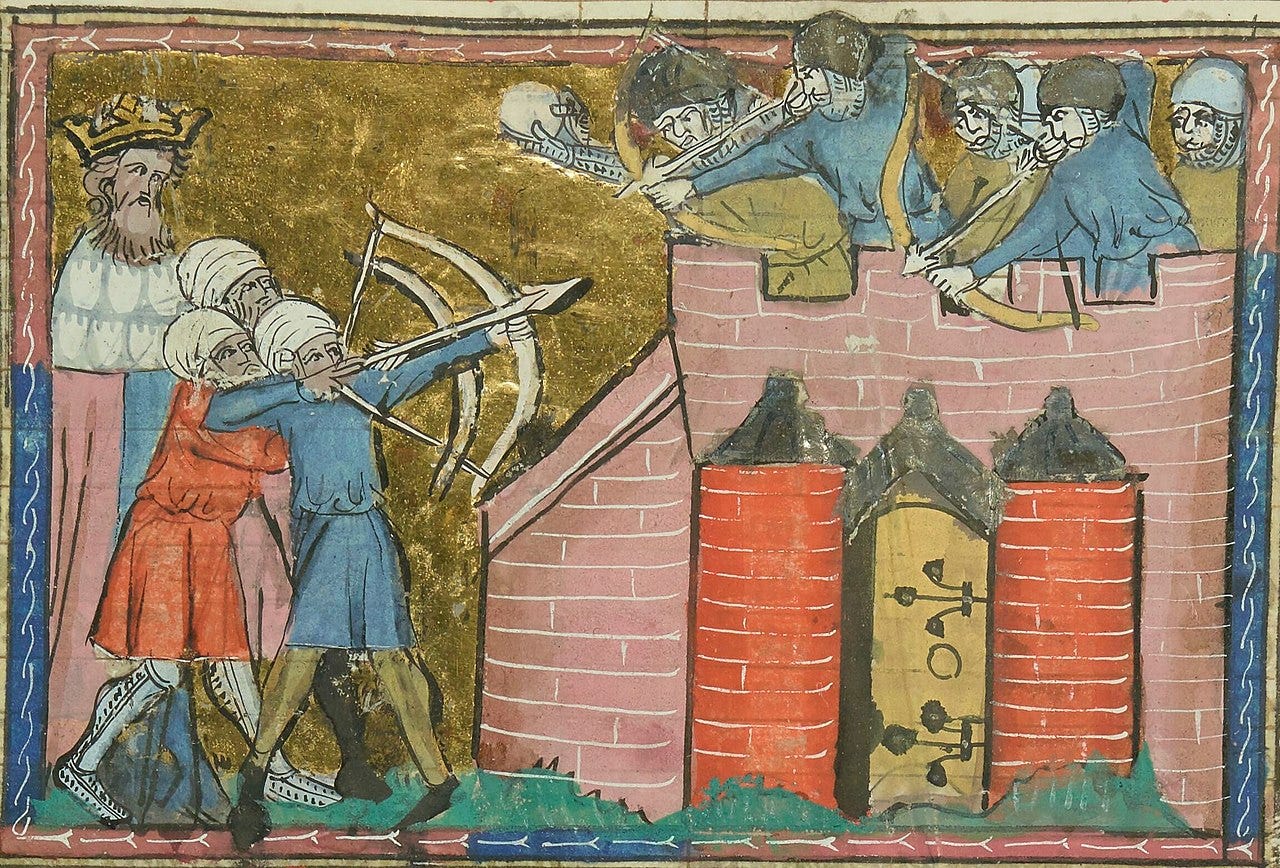
Only days after the Crusaders took Antioch, news came that a massive Muslim army was approaching. Kerbogha, the atabeg of Mosul, had gathered forces from across Mesopotamia. Some sources say his army numbered 40,000 to 75,000 men. Compared to the starving Crusaders, it was overwhelming.
On June 7, Kerbogha appeared. The Crusaders, who had just stormed the walls, now found themselves besieged in turn.
Inside the city, conditions were desperate. The sack of Antioch had left little food. Disease spread. Morale collapsed. The leaders quarreled. Some even plotted to escape. Stephen of Blois, who had already deserted once, met Emperor Alexios on the road and told him all was lost, persuading him not to march to Antioch’s aid.
The Muslim chronicler Ibn al-Athir wrote:
“The Franks were hemmed in and perished of hunger. Many ate carrion. The stench of death filled the city.”
It seemed the Crusade was about to end in disaster.
The Holy Lance
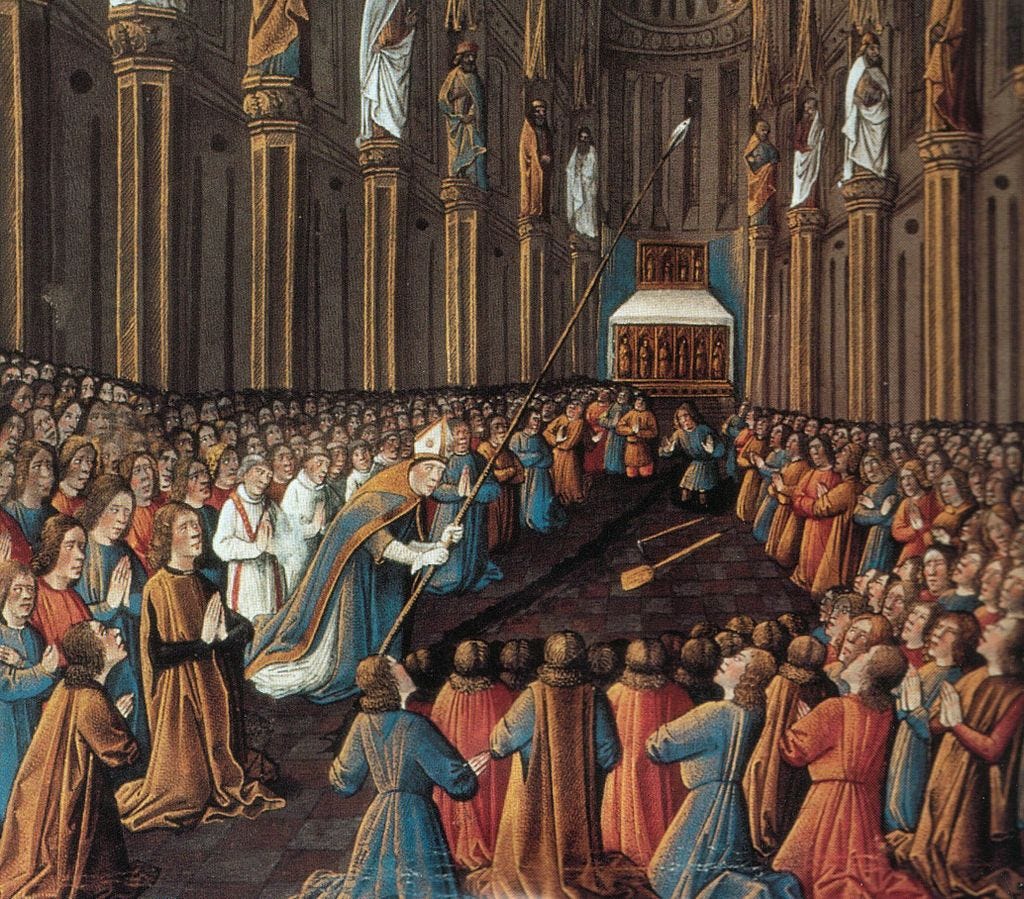
At that moment, a miracle was claimed. A poor priest named Peter Bartholomew announced that St. Andrew had appeared to him in a vision, revealing the location of the Holy Lance — the spear that had pierced Christ’s side at the crucifixion. At first the leaders doubted him. But in their despair, they allowed him to dig in the floor of the cathedral of St. Peter. After hours of digging, a lancehead was pulled from the ground.
Whether it was planted or genuine, it did not matter. To the starving army, it was a sign from God. Raymond of Aguilers, who believed the discovery, wrote:
“We wept for joy and kissed the holy relic. From that hour, our hearts were changed. We no longer feared the enemy.”
Faith replaced despair. The Crusaders, though half-dead, believed they were chosen instruments of God.
The Breakout Battle
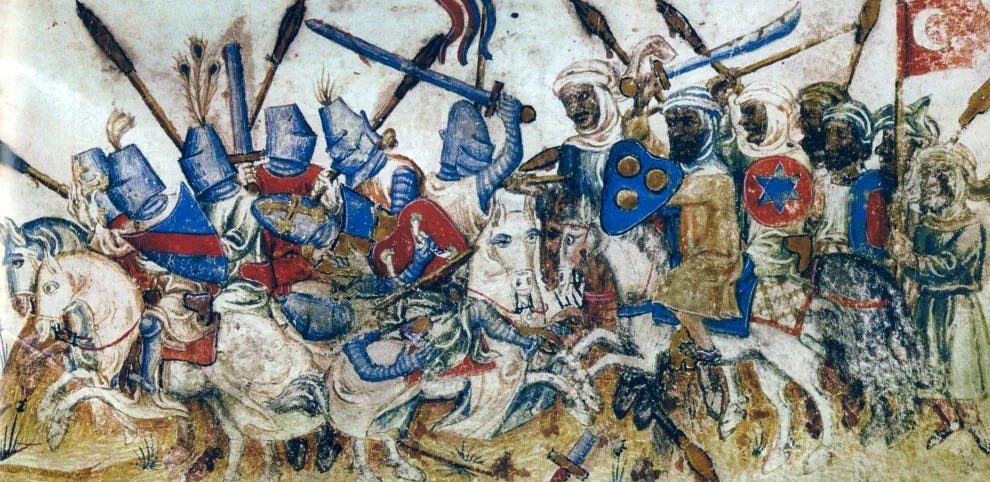
On June 28, 1098, the Crusaders marched out to fight Kerbogha. Chroniclers describe a pitiful sight: gaunt, barefoot men, armed with whatever they had left, but carrying the Holy Lance before them.
Kerbogha expected an easy victory. His army dwarfed theirs. But when the battle began, something unexpected happened. The Crusaders advanced in six divisions, led by their princes. They fought with desperation and fury.
Kerbogha’s army was a coalition… emirs and commanders from many regions, some of whom distrusted him. As the battle turned, one by one they began to abandon him. What had been overwhelming strength turned into weakness. Panic spread. The Muslim army broke.
Fulcher of Chartres wrote:
“Then was seen the hand of God. For though our men were weary and few, the enemy was put to flight, and their multitudes scattered like dust before the wind.”
Kerbogha’s army fled the field. The Crusaders, against all odds, had triumphed.
Most people think the First Crusade was about Jerusalem. But without Antioch, Jerusalem would never have happened. What came after the breakout was just as dramatic as the battle itself… (and almost ended the Crusade for good).
👉 Subscribe to unlock the full story.