
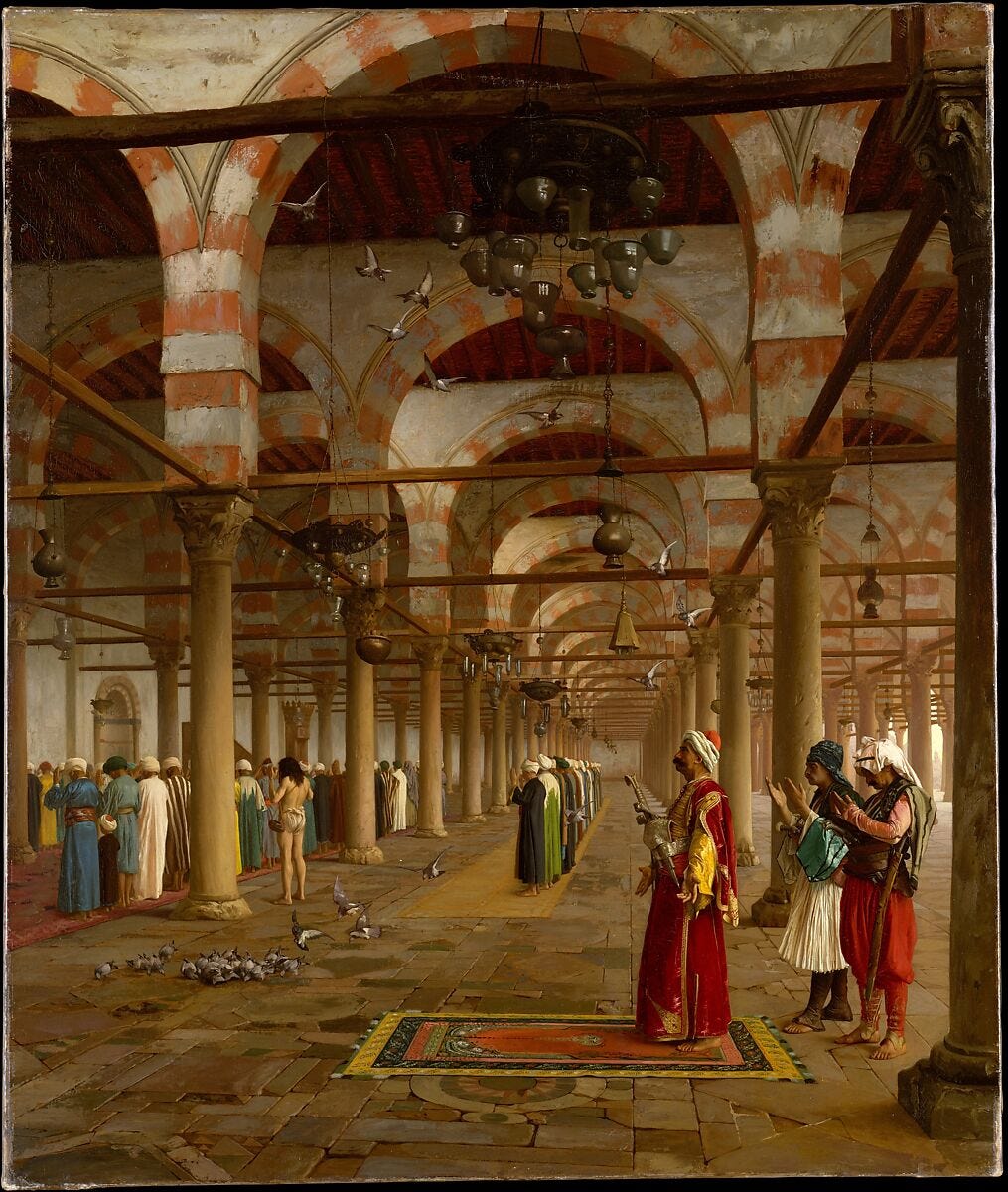
Few ideas have become as established in modern history as the claim that Islam was/is tolerant.
Open any history book, and you are likely to encounter some version of the same argument. While Christian Europe supposedly languished in religious intolerance, Muslim rulers welcomed Christians, protected their religious freedoms, and presided over a multicultural society where different faiths coexisted “peacefully”. This narrative has become so familiar that it is never questioned.
In this article, we’ll examine where that idea comes from and compare it with the historical record.
But first, it is worth defining what historians actually mean when they speak of Islamic “tolerance.”
Unlike the modern understanding of religious equality, classical Islamic law never viewed Christians as equal members of society. Instead, they belonged to a legal category known as the dhimmi—literally, “protected people.” Protection, however, came with conditions. Christians could retain their religion only if they accepted permanent political and social subordination under Muslim rule and paid the jizya, the poll tax prescribed in the Koran.
As Koran 9:29 commands:
“Fight those among the People of the Book who do not believe in Allah nor the Last Day, nor forbid what Allah and his Messenger have forbidden, nor embrace the religion of truth, until they pay the jizya with willing submission and feel themselves subdued.”
That final phrase—“feel themselves subdued”—is crucial because it reveals that jizya was never about taxation. It was intended to demonstrate the superiority of Islam and the inferior status of those who refused to embrace it.
Indeed, one of Islam’s foremost jurists, Al-Mawardi (972–1058), explained that the purpose of the tax was to leave non-Muslims “in a state of humiliation“ while allowing them to continue living under Muslim authority.
This brings us to the first myth.
Myth One: Christians Were Equal Citizens
Modern writers describe the dhimmi system as an early form of religious pluralism.
John Esposito, professor of religion at Georgetown University, for example, writes that Christians and Jews enjoyed religious freedom in exchange for paying a poll tax that provided protection and exempted them from military service. Similar descriptions appear throughout contemporary textbooks, presenting jizya as little more than a medieval “administrative tax”.
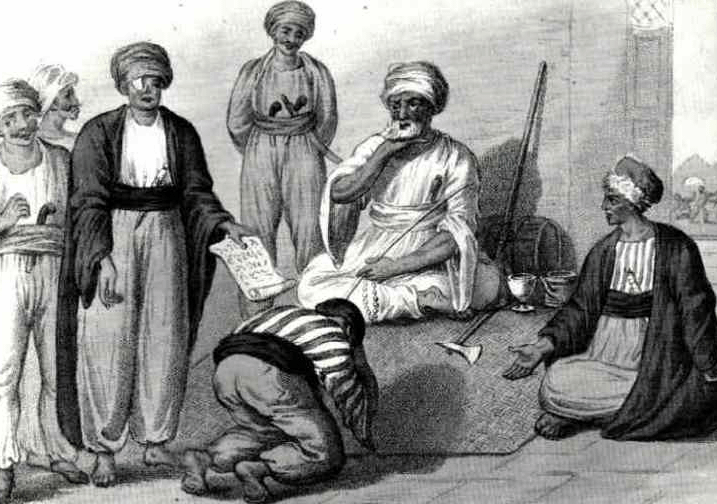
The historical record tells a rather different story.
Under the Pact of Umar—a foundational document governing the treatment of Christians under Islamic rule—Christians “agreed” not to build new churches, repair ruined ones in Muslim neighbourhoods, display crosses publicly, ring church bells loudly, carry weapons, imitate Muslim clothing, or publicly express their faith.
One version states:
“We shall not build in our cities or in their vicinity any new monastery, church, convent, or monk’s cell, nor shall we repair those that have fallen into ruin.”
Another declares:
“We shall rise from our seats when Muslims wish to sit.”
Whether every clause appeared everywhere is beside the point. Muslim jurists across the centuries repeatedly cited the Pact as the legal foundation for regulating non-Muslim communities, and many of its restrictions appeared throughout the Islamic world from Spain to Persia.
Far from establishing equality, Islamic law explicitly created two classes of society: Muslims and everyone else.
Friendly reminder: The Western Spirit exists because of readers like you. Join us and help keep this project alive and independent.
If you’ve been enjoying these essays, consider becoming a paid subscriber. For a few dollars a month, you’ll get:
In-depth pieces on forgotten battles, brave men, and turning points in Western history
Reflections on faith, order, tradition, and the deeper meaning behind culture
Full access to the growing archive — essays, book breakdowns, and historical deep dives
This project exists because readers like you make it possible.