
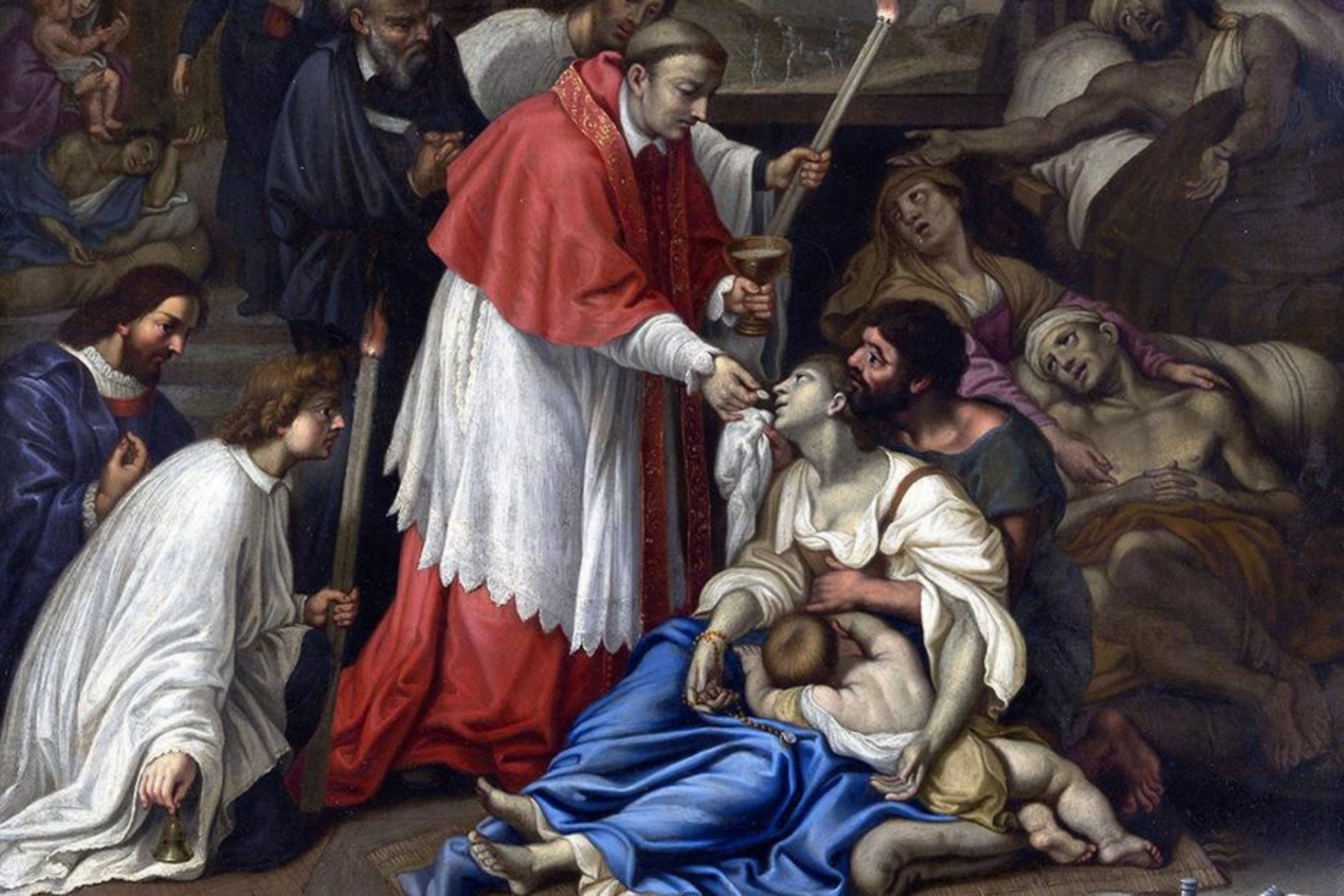
In the summer of 1576, death came to Milan.
It arrived quietly at first — a fever here, a corpse there — but within weeks the city was in chaos. Trade stopped. The rich fled to the hills. The Spanish governor sealed the gates and issued a decree:
Anyone who remained in Milan did so at their own risk.
But one man refused to leave.
Charles Borromeo, Archbishop of Milan, stayed.
While nobles abandoned their palaces, Charles walked the streets barefoot, dressed in black, leading public prayers. While others avoided the sick, he entered plague houses, heard confessions, and gave the last rites.
He wasn’t just a bishop.
He was a man who believed the priest should stay with his flock — even if it meant dying beside them.
1. The City and the Saint
“If we abandon them now, who will speak to them of Christ?”
—Charles Borromeo
Charles Borromeo was only 38 when the plague arrived in Milan. A cardinal, reformer, and nephew of Pope Pius IV, he had already made enemies among the corrupt — nobles, priests, and even bishops.
He had closed monasteries that functioned as brothels, dismissed priests who couldn’t read Latin, and reintroduced discipline to parishes that had forgotten what confession was.
He didn’t come to Milan to manage power.
He came to clean house — and to save souls.
Reminder: The Western Spirit is a reader-supported publication.
If you’ve been enjoying these essays, consider becoming a paid subscriber. For a few dollars a month, you’ll get:
In-depth pieces on forgotten battles, brave men, and turning points in Western history
Reflections on faith, order, tradition, and the deeper meaning behind culture
Full access to the growing archive — essays, book breakdowns, and historical deep dives
This project exists because readers like you make it possible.
2. The Flight
As the disease spread, Milan’s elites packed their belongings and vanished.
The city’s governor left first. Then the judges. Then the wealthy families. The city fell into confusion. Food prices soared. Riots broke out. Corpses were left in the streets. No one would bury them.
Even many priests left. Some fled out of fear. Others were simply not equipped for what was coming.
Borromeo stayed.
He declared that the shepherd must not abandon his sheep. Not now. Not ever.
3. The Work
“If the people cannot come to the church, we will bring the church to the people.”
—Instruction to clergy, 1576
With public gatherings banned, Borromeo improvised.
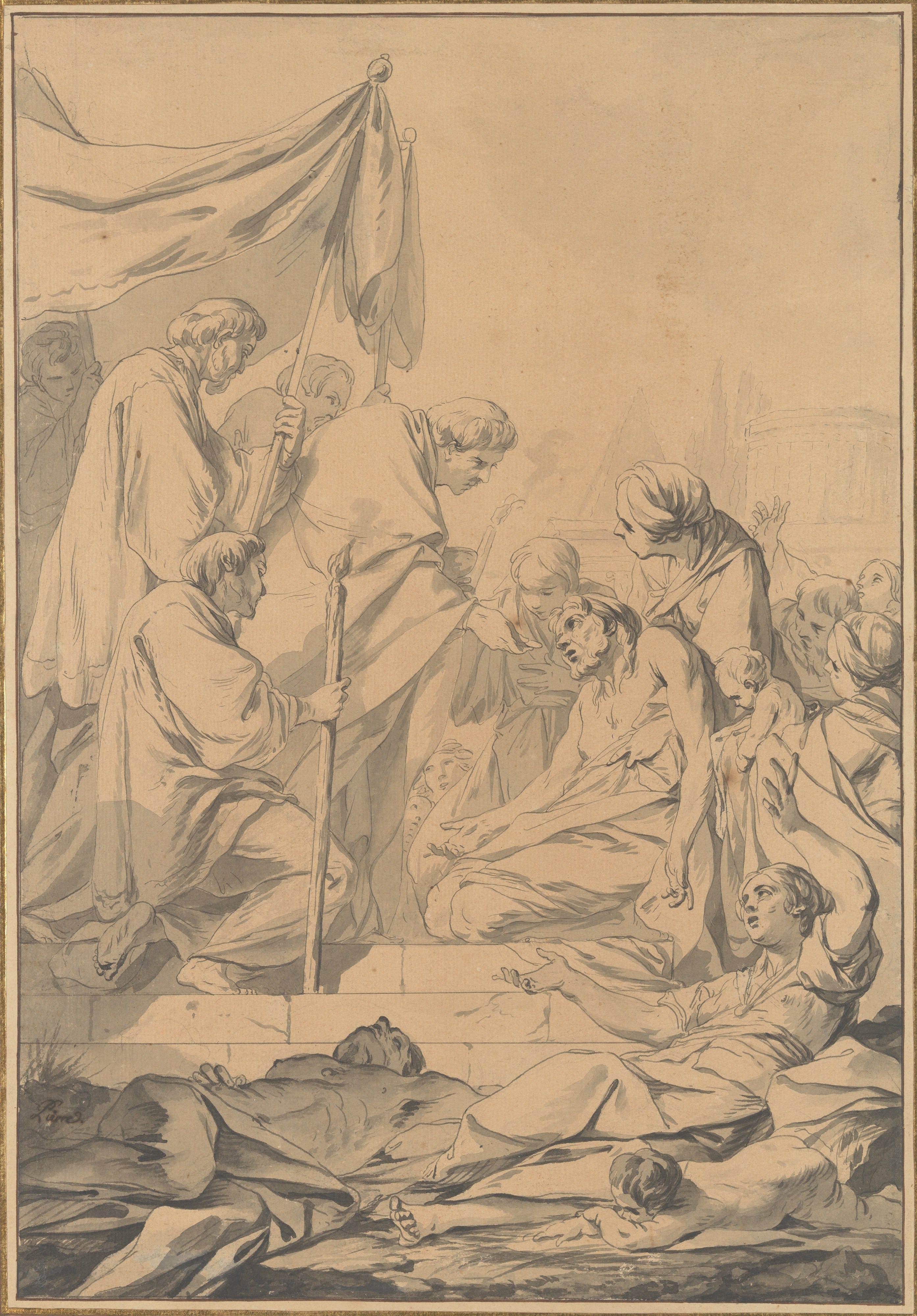
He ordered outdoor altars built at the intersections of the city so that Mass could be said from a distance. He assigned confessors to walk the streets behind cloth barriers. He organized food distribution networks staffed by monks and seminarians.
When funds ran dry, he sold everything: his furniture, his clothes, his family’s silver.
The streets of Milan were filled with death — but also with processions. Barefoot, candlelit, penitent. Prayers rose above the stench.
The Church wasn’t retreating.
It was moving toward the plague.
4. The Conflict
“You bring unrest. Go back to your prayers and stay out of the streets.”
—Spanish officials to Borromeo
The civil authorities were humiliated.
Borromeo’s presence made their absence obvious. His refusal to leave exposed their cowardice. They accused him of undermining public health. They told him to stop organizing public prayers, to stay indoors, to defer to state orders.
He refused.
He knew plague was more than disease.
It was fear. It was despair. It was judgment. And only the Church could speak to those things.
He wrote letters to every parish. He printed catechisms. He went on foot to bless plague victims himself.
Even when he was spat on.
Even when they died in his arms.
5. The Prayer
In October, Borromeo ordered The Forty Hours Devotion — continuous adoration of the Eucharist in shifts across the entire city.
No matter the risk, the Body of Christ would not be hidden.
He knelt in the square outside the Duomo in sackcloth and ashes. With a rope around his neck and bare feet on the stones, he led prayers of repentance for the sins of the city — not just theirs, but his own.
He didn’t preach triumph.
He preached penance.
And people followed.
6. The Turning
The plague burned through the winter of 1577.
But it didn’t take the city’s soul.
Milan was battered, scarred, and changed — but still Catholic. Still praying. Still alive.
Borromeo never contracted the plague himself. But he looked ten years older when it ended. He had spent everything he had. His hands were cracked from anointing the sick. His feet were bruised from walking the streets.
He never recovered physically.
But spiritually, he had become something more than a bishop.
He had become a father.
7. The Memory
“He gave us more than bread. He gave us courage.”
—Milanese widow, 1578
Charles Borromeo died six years later, in 1584, at just 46 years old.
But his memory shaped the city — and the Church.
Statues were raised. Feast days declared. And his example became a blueprint for Catholic leadership: firm in doctrine, fearless in trial, faithful in suffering.
In 1610, he was canonized a saint.
Today, his relics rest beneath the Milan Cathedral — the same Duomo where he once offered Mass with open doors and open wounds.
Takeaways
1. Holiness Requires Proximity
Borromeo didn’t delegate. He showed up. Presence is more powerful than policy.
2. The State Can Quarantine Bodies, Not Souls
While officials issued decrees, the Church offered sacraments. That’s what people remember.
3. The Priesthood Is Not a Career
Borromeo emptied his fortune and shortened his life. Because the priesthood isn’t a position. It’s a calling to die.
4. The Church Thrives When It Suffers
Milan didn’t fall because the buildings stayed open. It stood because the faith stood exposed, tested, and alive.
5. Penance Is Leadership
He didn’t demand repentance. He lived it. He walked barefoot. Wore sackcloth. Confessed publicly. And people followed not because he commanded them — but because he knelt first.
Thanks for reading.
If you’ve made it this far, you’re the kind of reader this project is for — someone who still cares about history, faith, and the forgotten foundations of the West.
If you want to support The Western Spirit, share this with a friend, leave a comment, or consider becoming a paid subscriber.
Every piece is built with care — and you make it possible.
— The Western Spirit
He was true to his faith & kept it whilst others saved themselves. He helped those who needed it most. A brave, selfless man.
Thank you for sharing this.
Inspirational