
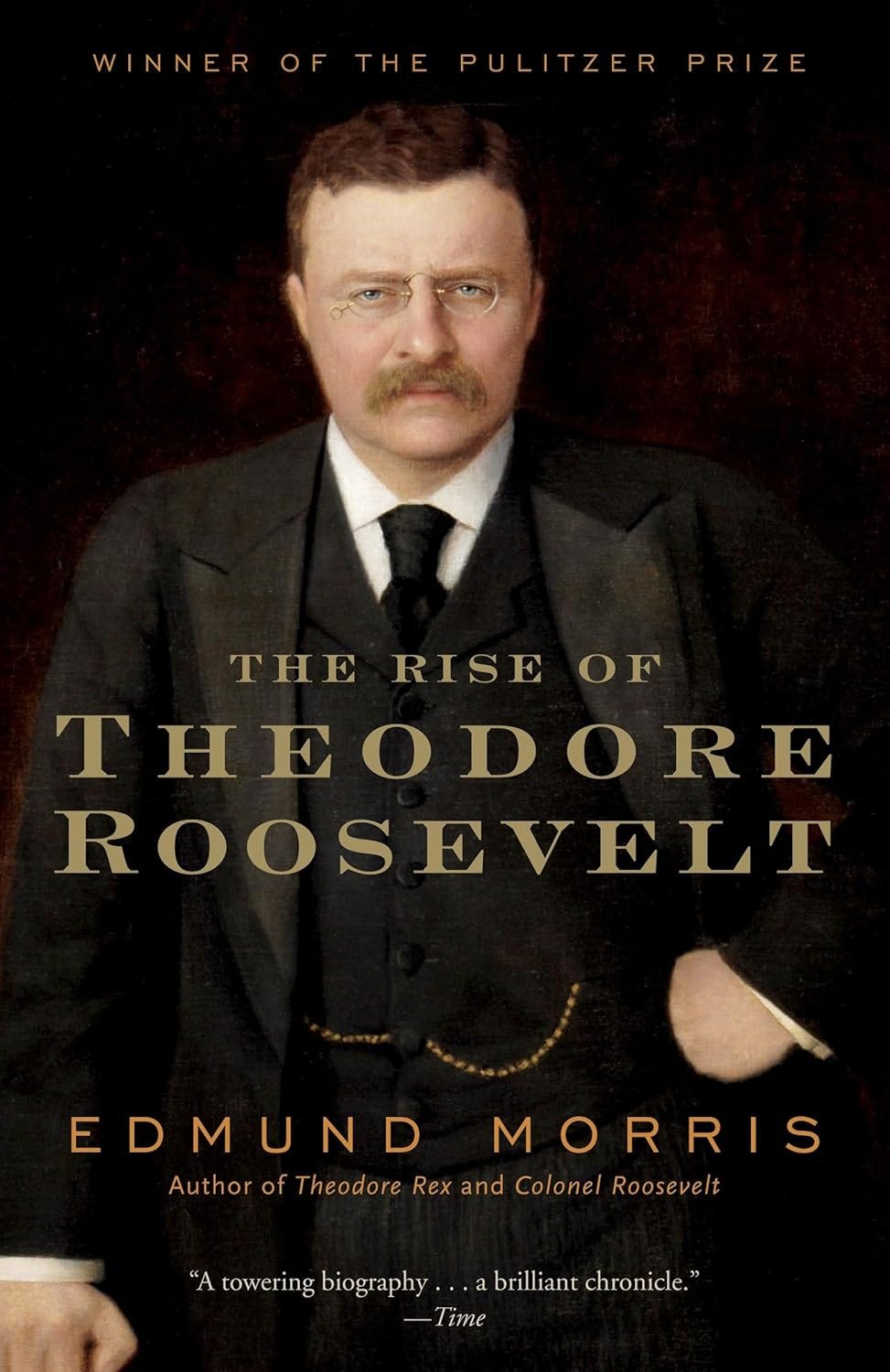
Hey guys, I have wanted to tackle Edmund Morris’s Theodore Roosevelt trilogy for years, and I finally cracked it open.
I plan to read lots of biographies going forward, so if you enjoy this type of content, let me know and I will share more as I go through them.
I’m still early in the first book, with hundreds of pages ahead of me, but right away one big surprise jumped out and made me stop and take notes.
I knew Roosevelt focused on military strength, history, and great men doing great things. What surprised me was how often he returned to the centuries-long struggle between Christendom and Islam.
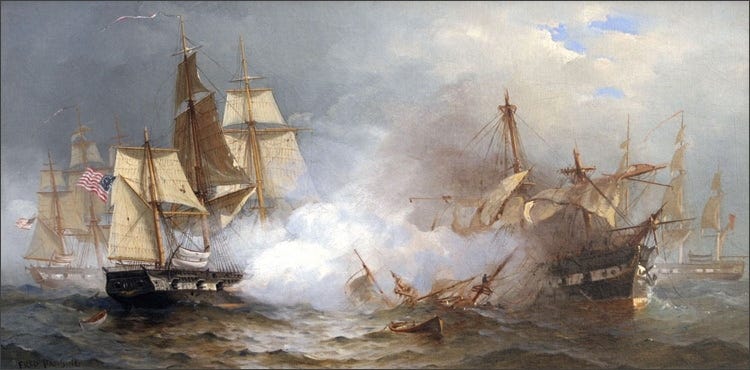
This view grew naturally out of his personal life and lifelong habits. Roosevelt came from a wealthy New York family, but he dealt with serious asthma as a sickly child. He pushed himself hard through exercise and built a rugged body. He also read constantly from a young age. His family gave him free access to books at home and in public libraries. He devoured everything from adventure stories and natural history to serious works on history and war. Family trips to Europe and even the Middle East as a boy exposed him to different cultures and sparked his curiosity about the wider world. He kept that intense reading habit his whole life. People say he read a book or more every single day, sometimes in multiple languages. He tore through classics like Gibbon’s Decline and Fall of the Roman Empire, military histories, Plutarch’s Lives, and accounts of great battles and civilizations. He wrote his own history books starting young, including The Naval War of 1812 when he was only in his early twenties.
These experiences shaped how he saw the past as a story of strong peoples, courage, and clashing civilizations. One story from later in his life really brings this to life. After his time as president, during a trip to Egypt in 1910, Roosevelt visited the famous Al-Azhar Mosque and University in Cairo — one of the oldest centers of Islamic learning in the world.
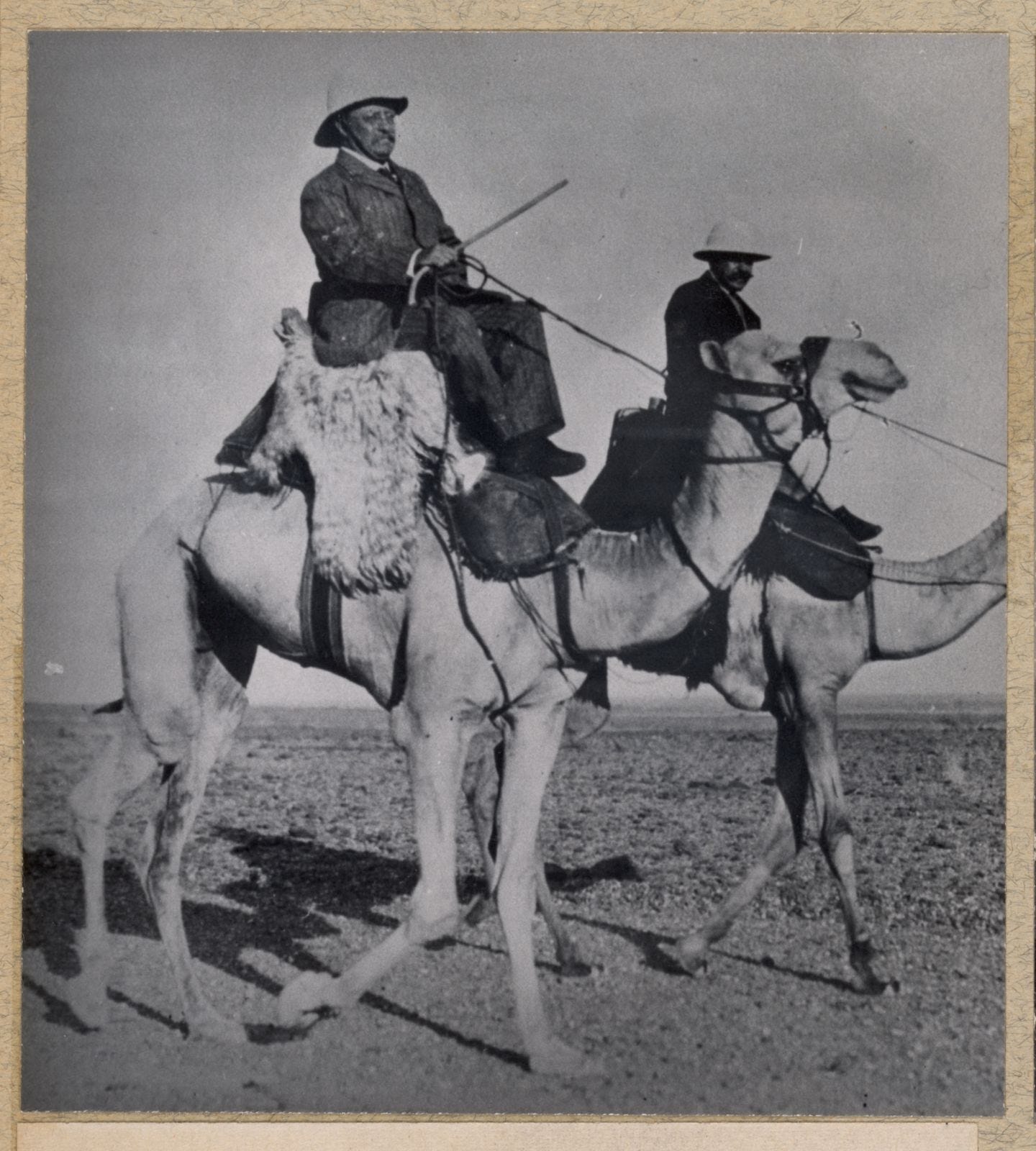
The scholars there sat teaching students on the floor. Roosevelt asked to see a scroll of the medieval travels of Ibn Battuta, the “great” Arab explorer. To their amazement, he started reciting long passages from it from memory. When he left the place, he carried a copy of the Koran under his arm. He did this to better understand the Muslim world and why it seemed at odds with the West. It reminds me of Thomas Jefferson during the Barbary Wars. Jefferson bought and studied a copy of the Quran to figure out why the Muslim pirates kept attacking American ships and taking captives.
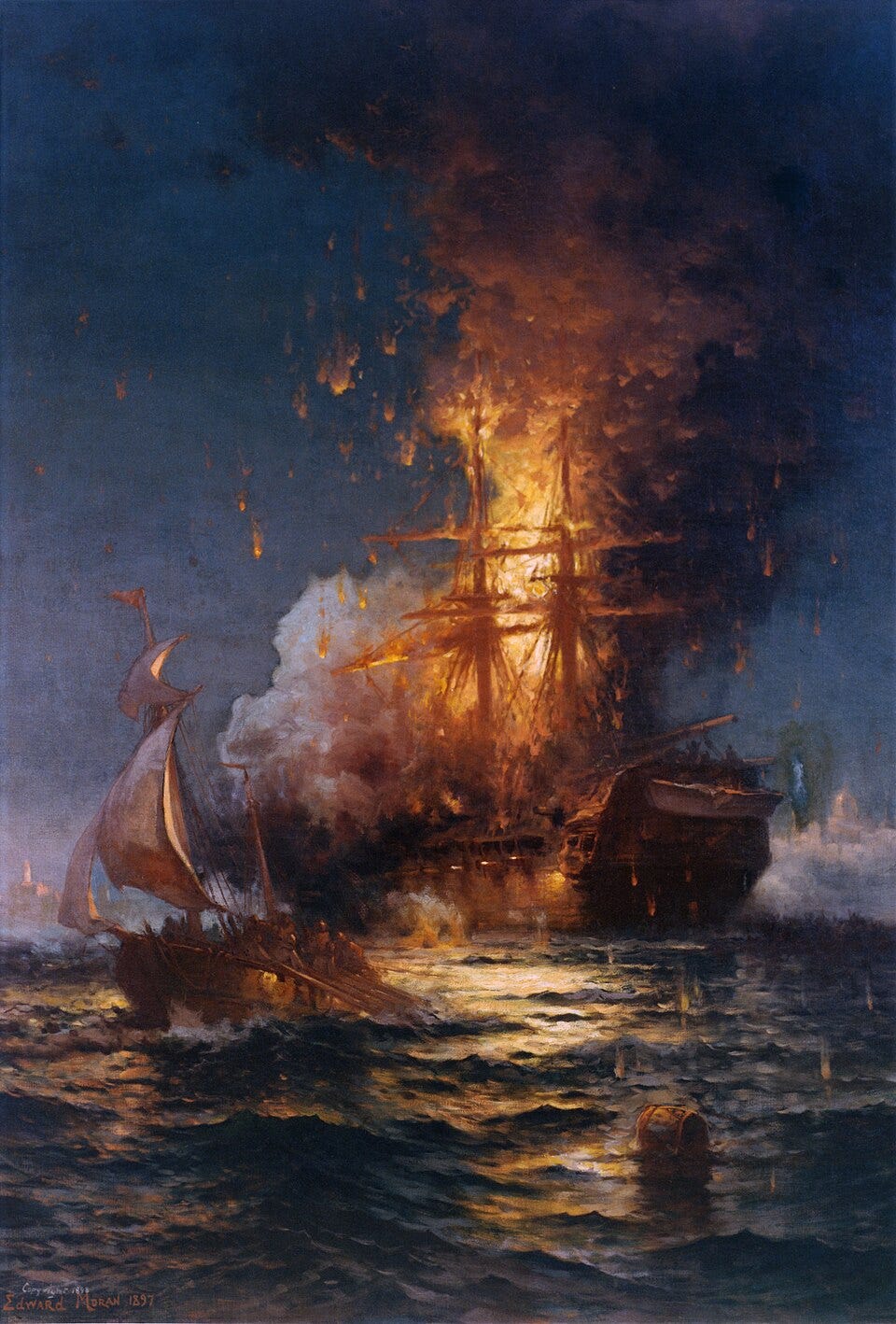
That curiosity led to the famous exchange in 1786 where Jefferson and John Adams met with the Tripolitan ambassador in London. When they asked by what right the Barbary states made war on nations that had done them no injury, the ambassador replied:
“It was founded on the Laws of their Prophet, that it was written in their Koran, that all nations who should not have acknowledged their authority were sinners, that it was their right and duty to make war upon them wherever they could be found, and to make slaves of all they could take as Prisoners, and that every Musselman who should be slain in battle was sure to go to Paradise.”
Friendly reminder: The Western Spirit exists because of readers like you. Join us and help keep this project alive and independent.
If you’ve been enjoying these essays, consider becoming a paid subscriber. For a few dollars a month, you’ll get:
In-depth pieces on forgotten battles, brave men, and turning points in Western history
Reflections on faith, order, tradition, and the deeper meaning behind culture
Full access to the growing archive — essays, book breakdowns, and historical deep dives
This project exists because readers like you make it possible.
The quote that really stopped me reads like this:
”If the victorious Moslems had not been stopped, all Europe would probably have become Mohammedan, and the Christian religion, and all modern civilization, would have been destroyed.”
He described the whole direction of Western civilization hanging in the balance. Roosevelt viewed everything through the lens of civilizations rising and falling. He asked why some built things that lasted for centuries. He asked why some conquered and others got conquered. These questions came up again and again as he studied the past. From there he took Islam seriously as a major force. At one point he called it: ”One of the most extraordinary social and political forces the world has ever seen.”
That line stuck with me. He respected its power, its spread, and the courage of its fighters. Roosevelt gave credit to strong warriors even from the other side. He admired Roman soldiers, Japanese fighters, American frontiersmen, and Muslim conquerors because he respected people who fought for what they believed. This respect led him to look deeper at the big picture.
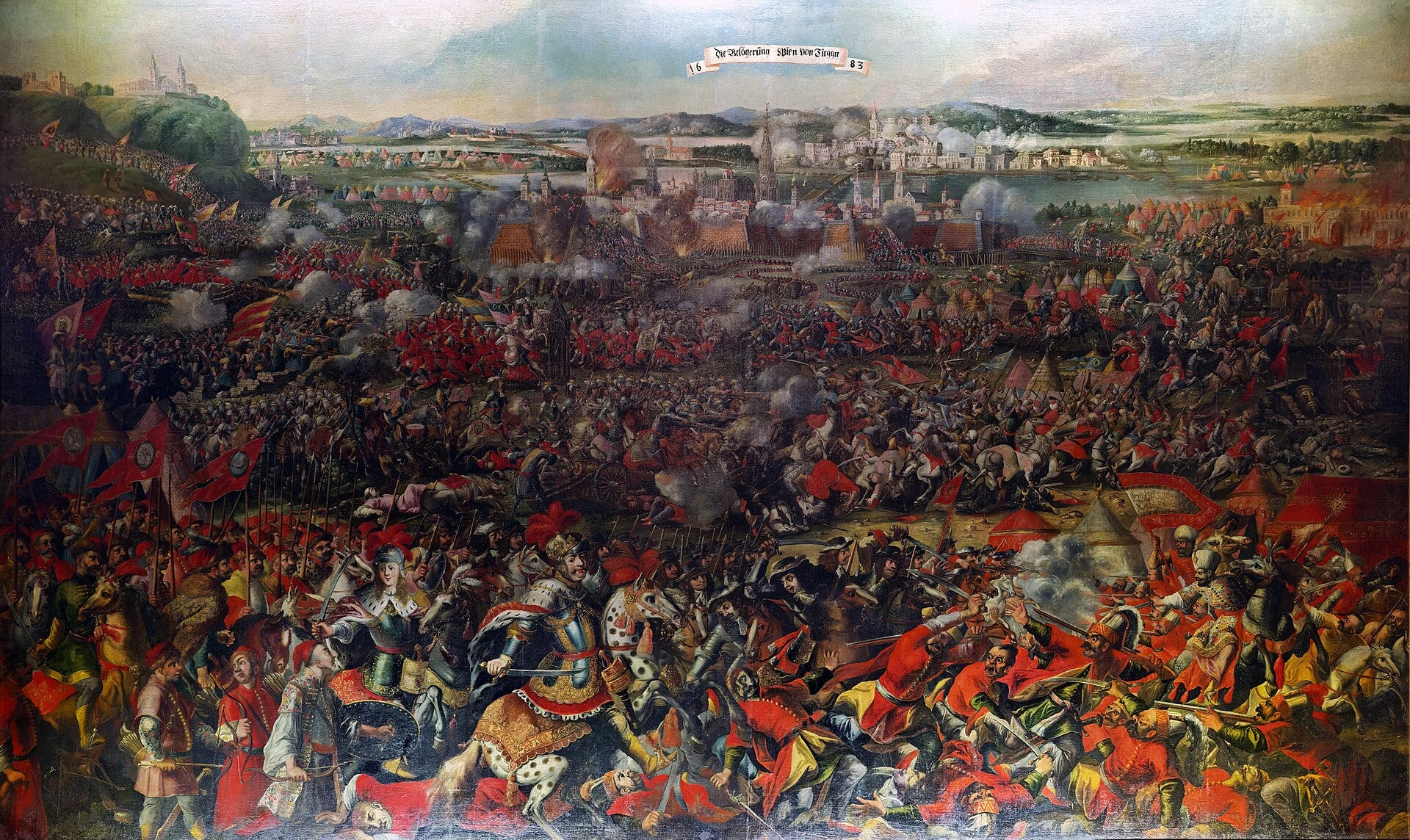
He examined the Crusades, the Ottoman advances, the sieges of Vienna, and all those Mediterranean wars. In each case he saw a real civilizational struggle. Battles like Tours, Lepanto, and Vienna shaped the world we know today. Another passage made his thinking even clearer. He wrote: ”The Moslem religion, wherever it has been dominant, has established a social system which has proved a complete barrier to any permanent progress.”
He cared about results on the ground. He examined which societies kept moving forward. He examined which ones built strong institutions, created wealth, and pushed science. After years of reading history, he concluded Christian civilization produced stronger outcomes than the Islamic world under its system. Here comes a longer chunk from his 1916 book Fear God and Take Your Own Part that really lays it out:
”Christianity is not the creed of Asia and Africa at this moment solely because the seventh century Christians of Asia and Africa had trained themselves not to fight, whereas the Moslems were trained to fight. Christianity was saved in Europe solely because the peoples of Europe fought the Mohammedans who invaded. From the hammer of Charles Martel to the sword of Jan Sobieski, Christianity owed its safety in Europe to the fact that it was able to show that it could and would fight as well as the Mohammedan aggressor.”
He added that wherever Muslims held total control and Christians could not resist, Christianity eventually disappeared.
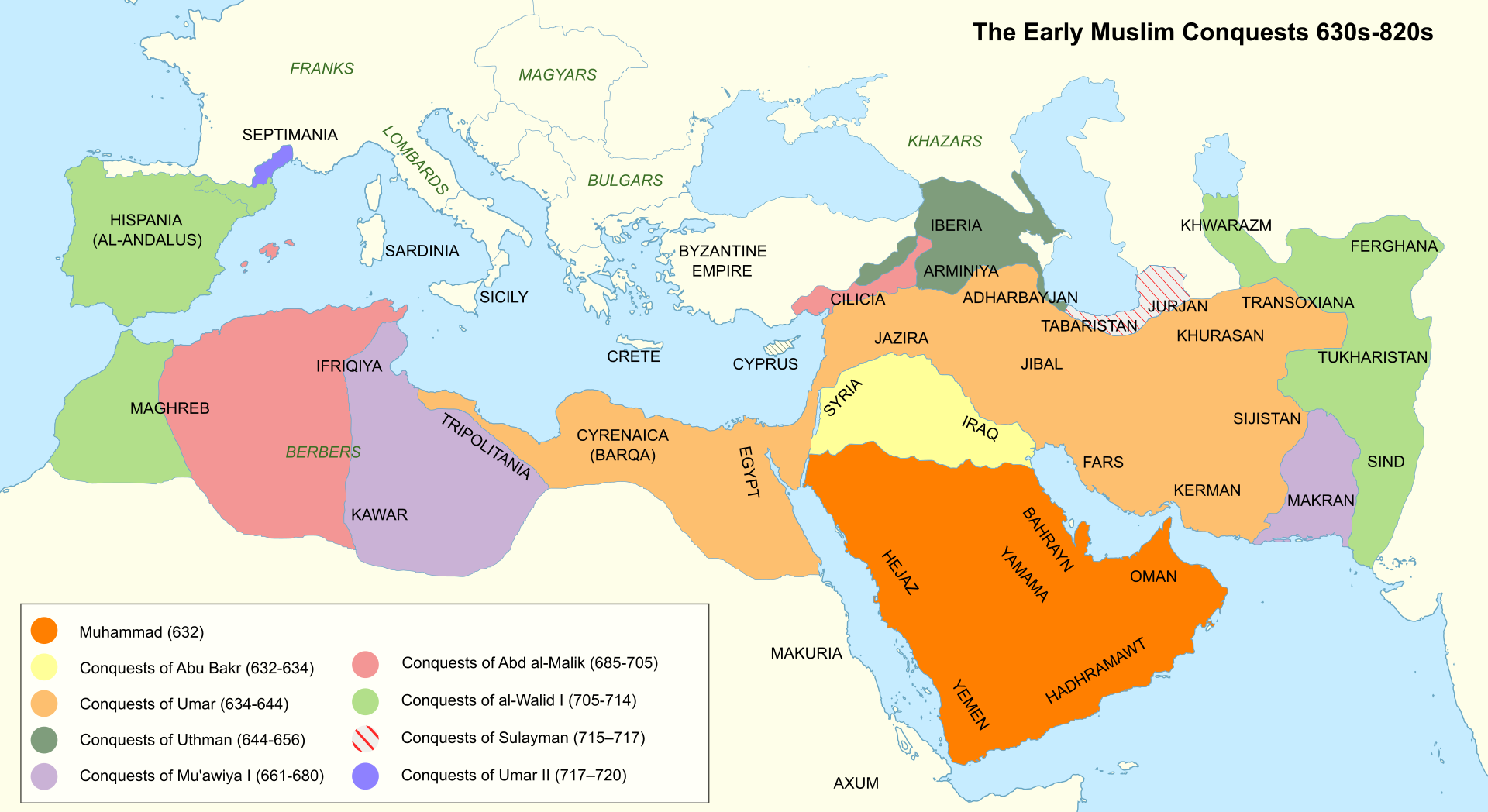
He spoke openly about all of this. These days people walk on eggshells. Roosevelt called things the way he saw them. This approach fits his view of the world. Civilizations require active defense. People need courage, strength, and the willingness to fight for their way of life. That explains why he loved guys who stood up when it mattered. One of his lines sums it up perfectly: ”No triumph of peace is quite so great as the supreme triumphs of war.”
You see exactly what kind of guy he was. He looked at history as someone who knew civilization stays fragile. Earlier generations fought to keep it alive and pass it down. This point surprised me the most so far. I expected stories about the Rough Rider, the trust-buster, the president. Instead I found someone who spent time thinking about the fate of whole civilizations and the long struggle between Christendom and Islam. I stay early in the books, so my thoughts may shift as I continue. Right now Roosevelt watched history as a participant. He asked what makes a civilization tough enough to last. What about you? Any historical figures whose views on this kind of stuff caught you off guard? Let me know in the comments. Curious what you think as I keep reading.
P. S. Don’t forget to join our online book club!
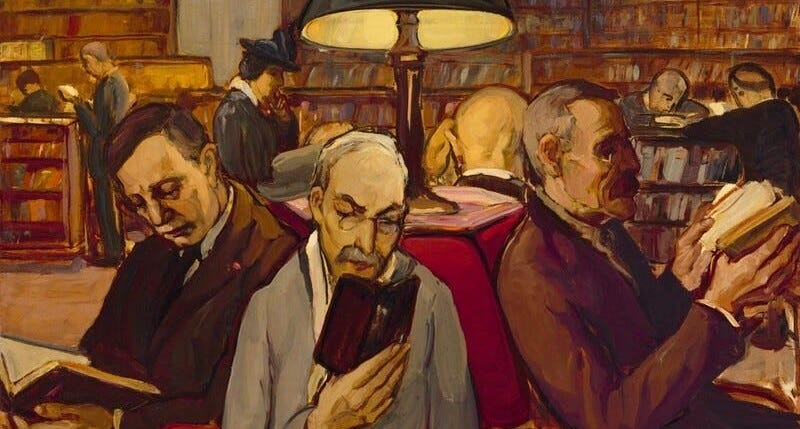
The greatest achievements of our civilization were built by people who read deeply and engaged with timeless ideas.
We created this book club to keep that tradition alive.
Together, we work through the foundational texts of the Western canon — one great book at a time. From Aristotle and Augustine to Dante, Shakespeare, and Dostoevsky, we explore the works that formed our civilization and continue to shape it.
We’re currently reading Aristotle’s Nicomachean Ethics.
You can follow along for free, or become a member and join the discussions directly. You’ll get:
• Biweekly book club discussions (+ recordings)
• Access to our private community chat room
• Essays to guide you through the books we’re reading
• The ability to vote on what we read next
This is so timely, so interesting, so critical for Americans so that they may lift their awareness! Thank you!
Great read thank you. Yes, I always go back and forth on, "there is no such thing as a great man, only a man who was put in a great moment and came through or didn't" The moment made him great.
But when I read and study Teddy I go right back to Great men make things happen and make great moments and history. There are Great men.