
In 1480, the Ottomans landed on the coast of southern Italy and captured the Christian city of Otranto.
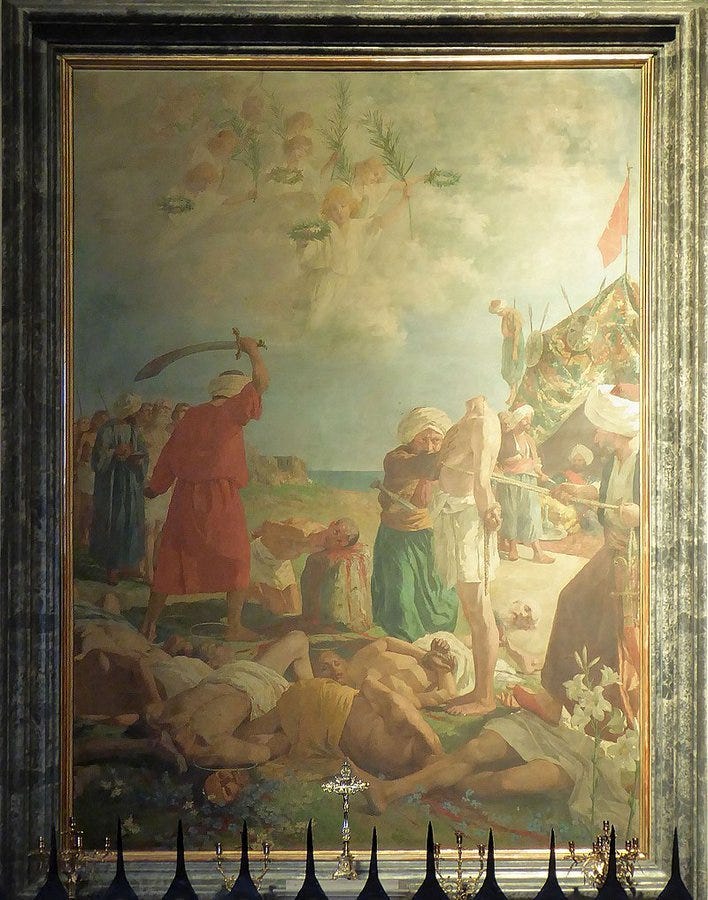
According to the traditional account, the surviving Christian men were presented with a choice: renounce Christianity and embrace Islam, or die. Around eight hundred refused, and on August 14 they were taken to a hill outside the city and executed.
At the time, this was about much more than one small Italian city. Constantinople had fallen only twenty-seven years earlier, and the Ottoman Empire was advancing deeper into the Mediterranean and southeastern Europe.
The sultan behind that expansion was Mehmed II, remembered to history as Mehmed the Conqueror. He was still only twenty-one years old when he captured Constantinople in 1453.
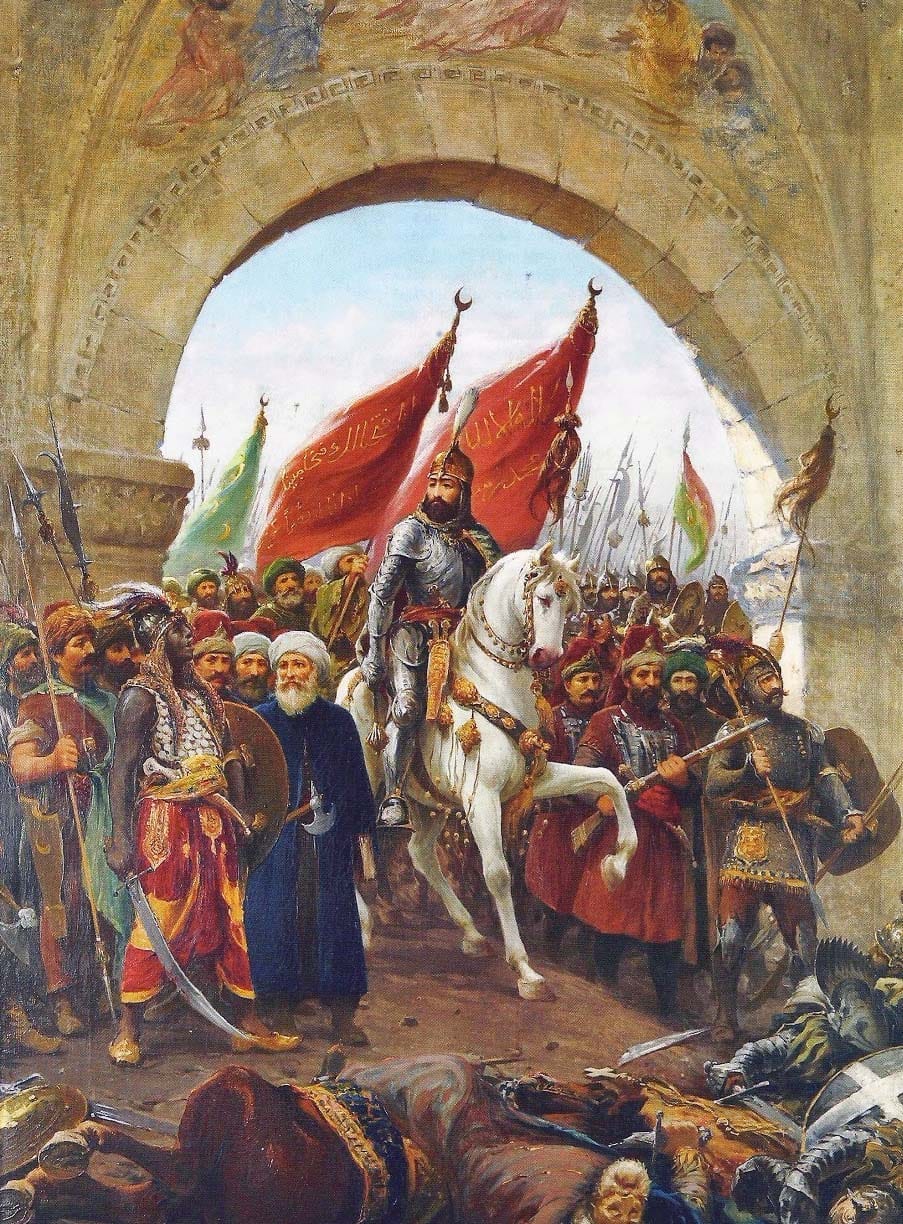
Now his armies had crossed the Adriatic. And for the first time since the rise of Ottoman power, they had established themselves on Italian soil.
The Siege Begins
According to the decree later issued by the Vatican’s Congregation for the Causes of Saints, the Ottoman fleet approached Otranto on July 28, 1480, carrying roughly 15,000 men aboard around 140 vessels. The city’s Aragonese defenses were badly stretched because troops from the Kingdom of Naples were committed elsewhere in Italy.
The Ottomans demanded surrender.
Otranto refused.
What followed was roughly two weeks of bombardment as Ottoman artillery battered the city’s defenses until, on August 12, the attackers finally broke through.
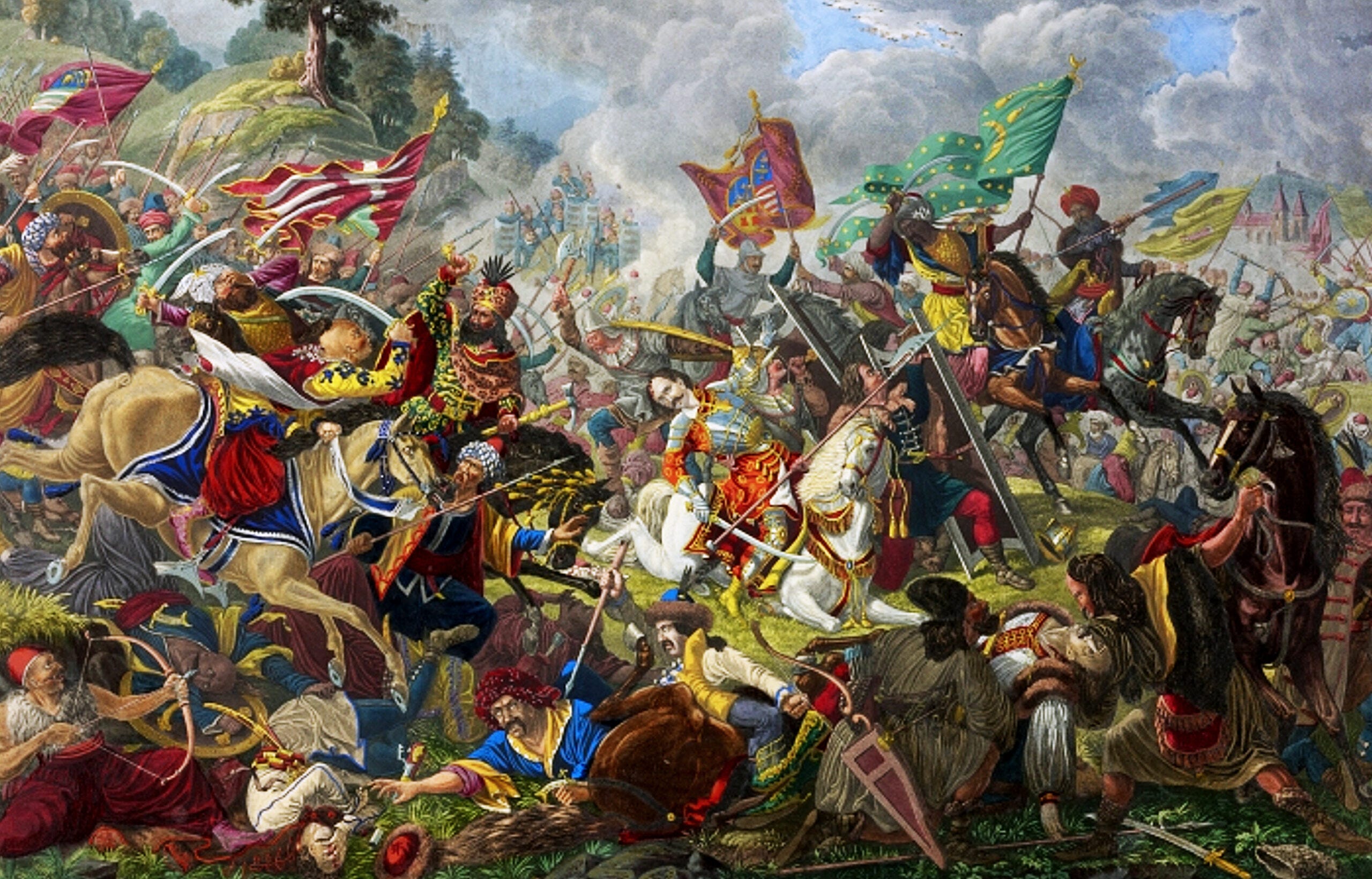
Many inhabitants had withdrawn toward the citadel and cathedral as the defenses collapsed. Ottoman soldiers poured into the city. The archbishop of Otranto, Stefano Agricolo, was killed, along with clergy and other inhabitants, while survivors were captured.
The Eight Hundred
According to the Catholic account, the following day Gedik Ahmed Pasha ordered the surviving males - traditionally numbered at around eight hundred - to be brought before the Ottoman authorities.
They were told to apostatize.
One of them was a man named Antonio Primaldo, described in the sources as either a tailor or cloth worker. He became their spokesman.
Chronicler Giovanni Michele Laggetto recorded the moment in his Historia della guerra di Otranto del 1480:
And turning to the Christians Primaldo said these words: “My brothers, until today we have fought in defense of our homeland and to save life and for our earthly rulers; now is the time for us to fight to save our souls for the Lord, who having died for us on the cross, it is convenient for us to die for Him, by remaining safe and constant in faith, and with this earthly death we will gain eternal life and the glory of martyrdom.” At these words they all began to shout with one voice with great fervor that they wanted a thousand times to die with any type of death rather than deny Christ.
The others agreed. They had survived the siege, watched their city fall, and were now prisoners of the victorious army. There was no Christian force left inside Otranto capable of rescuing them.
They nevertheless refused to abandon Christianity.
Friendly reminder: The Western Spirit exists because of readers like you. Join us and help keep this project alive and independent.
If you’ve been enjoying these essays, consider becoming a paid subscriber. For a few dollars a month, you’ll get:
Essays on brave men, and turning points in Western history
Reflections on faith, tradition, and culture
Full access to the growing archive - essays, book breakdowns, and deep dives
This project exists because readers like you make it possible.
The Hill of Minerva
The captives were taken outside Otranto to the Hill of Minerva. There they were executed.
Antonio Primaldo was traditionally remembered as the first to die, followed by the other prisoners until roughly eight hundred Christian men had been killed. The place later became known as the Hill of the Martyrs.
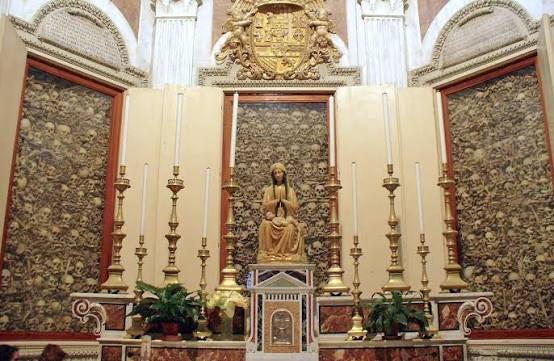
Their remains were eventually recovered after Christian forces retook Otranto, and many were placed in the city’s cathedral, where the bones associated with the martyrs remain displayed today.
Mehmed II was pushing hard for further west expansion, and grabbing Otranto gave the Ottomans a foothold in Italy.
Europe was pretty freaked out… Constantinople had fallen in 1453, they had already taken the Balkans, and Albanian resistance was basically done after Skanderbeg died in 1468. It looked like they might keep going deeper into Italy.
Then Mehmed suddenly died, and that changed everything.
Mehmed II died on May 3, 1481, while preparing another campaign. His death produced a succession struggle between his sons Bayezid and Cem, disrupting Ottoman priorities at exactly the moment the Italian bridgehead required reinforcement.
The Kingdom of Naples seized the opportunity. Christian forces besieged Otranto, Ottoman control weakened, and in September 1481 the city returned to Christian hands. The Ottoman occupation had lasted little more than a year.
Five Centuries Later
In 2007 the Catholic Church formally recognized the martyrdom of Antonio Primaldo and his companions, stating that they preferred death to repudiating their Christian faith.
Then, on May 12, 2013, Pope Francis canonized them. Speaking during the canonization Mass, he summarized the tradition: