
You guys wanted a Crusader story, so today we’re going to talk about the German pilgrimage of 1064… the event many historians say helped spark the First Crusade.
On Good Friday in 1064, a large group of German pilgrims is nearing Jerusalem, believing that the long and difficult journey is finally coming to an end. They have crossed much of Europe, endured months of hardship, and now move forward with a sense of relief, convinced that within days they will stand before the Holy Sepulchre.
Instead, they are attacked.
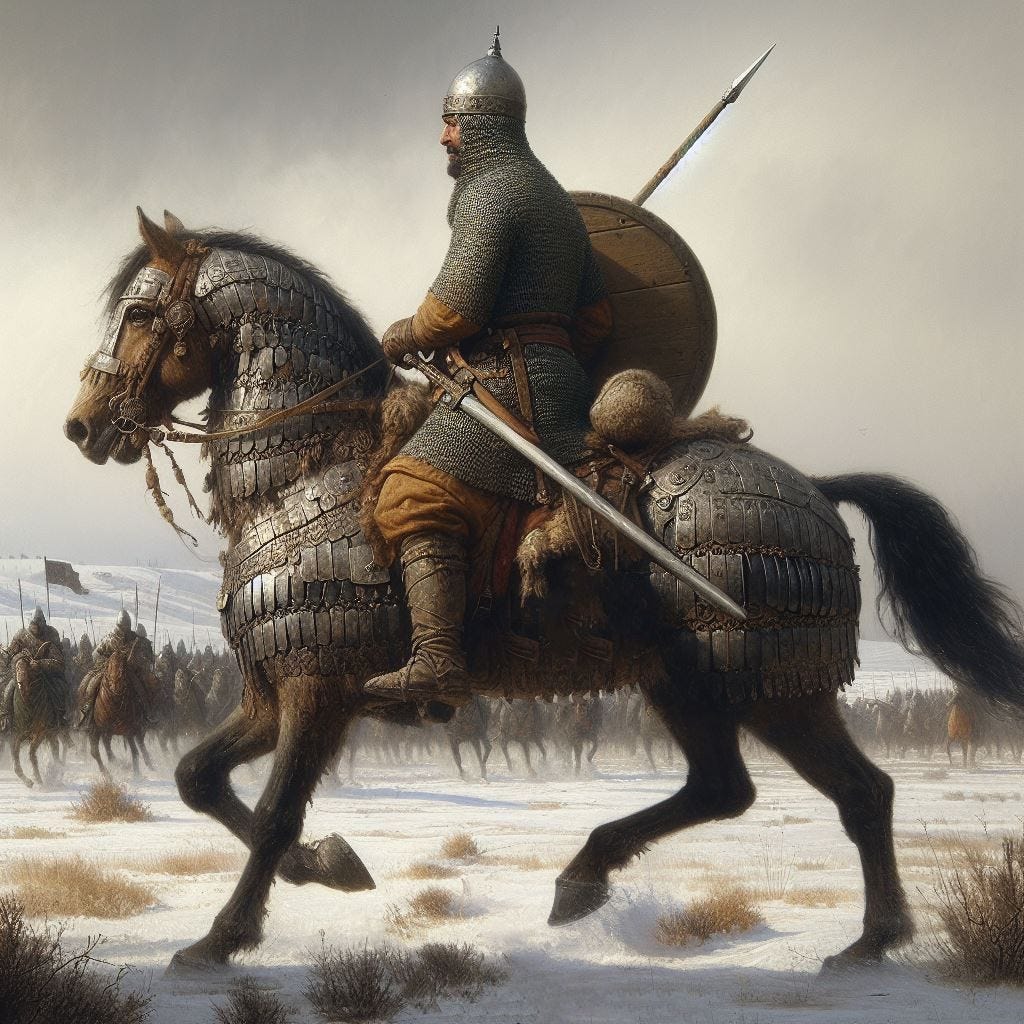
This pilgrimage is unusually large. The sources describe an “almost incredible multitude,” somewhere between seven and twelve thousand people, including clergy, nobles, knights, and ordinary men and women, all traveling together. Among them are leading figures such as Siegfried I of Mainz and Gunther of Bamberg.
From the beginning, the pilgrimage shows vulnerability.. The group travels unarmed, relying on the belief that the road to Jerusalem, though dangerous, remains open to those who go there for religious reasons. As they pass through foreign lands… Hungary, Bulgaria, and beyond… they are treated with suspicion and sometimes hostility, yet they continue and push forward.
Friendly reminder: The Western Spirit exists because of readers like you. Join us and help keep this project alive and independent.
If you’ve been enjoying these essays, consider becoming a paid subscriber. For a few dollars a month, you’ll get:
In-depth pieces on forgotten battles, brave men, and turning points in Western history
Reflections on faith, order, tradition, and the deeper meaning behind culture
Full access to the growing archive — essays, book breakdowns, and historical deep dives
This project exists because readers like you make it possible.
By the time they reach the eastern Mediterranean, the situation has already begun to worsen.
At Latakia, the last major stop before entering Muslim-controlled lands, they meet returning pilgrims who show fresh wounds and speak openly about what lies ahead. These travelers describe ambushes, killings, and entire groups destroyed along the road, warning that the land to the south is filled with Muslims who lie in wait for travelers.
The Germans hear these warnings and continue anyway.
When they reach Tripoli, they face their first major threat. The local ruler sees the size of the group and prepares to attack, hoping to seize their wealth, but a violent storm rises suddenly from the sea, and the attackers, interpreting it as a sign, abandon their plan. The pilgrims move on, believing they have been spared.
By Holy Thursday, they reach Caesarea and begin to think that the worst is behind them. Jerusalem is now close, and the journey seems near its end.
The next day proves otherwise.
As they leave a place called Kafar Sallam on Good Friday, they are suddenly attacked by Seljuk Turks. The assault comes without warning and strikes the front of the procession, throwing the entire group into confusion.
A chronicler describes it..
“They fell upon them like famished wolves, and the Christians were scattered in terror; many were slain, while others were seized, and no one could help another.”
Many are killed immediately. Others flee. Some attempt to fight back, but most are unprepared, and the group quickly breaks apart.
A portion of the survivors reaches a fortified building, where Bishop Gunther and others gather them and organize a defense. They are surrounded, cut off from supplies, and forced to hold out under constant pressure, weakened by hunger, thirst, and exhaustion.
For three days, the pilgrims defend themselves. The attackers press harder, growing frustrated that the people they had already seized are still resisting.
At one point, a group of enemy leaders enters under the pretense of negotiation. One of them approaches Bishop Gunther, throws a cloth around his neck, and declares that all the pilgrims are now in his power.
What follows is CRAZY!
Gunther rises, strikes the man to the ground with a single blow, and pins him under his foot. Then, turning to his men, he orders that the others be seized and used as leverage against the attackers outside.
Meanwhile, outside the stronghold, many others have already been captured.
Among them is a German nun..
One account records:
“A virgin consecrated to the Lord was taken captive, and she was given over to many, one after another, her cries and prayers bringing her no relief; for those who held her showed neither restraint nor fear of God, but continued their abuse without measure, until the weakness of her body could endure no more.”
Her suffering is described as repeated and prolonged, and she does not survive. In short, they gang raped her to death.
The following day, the situation shifts again. A regional governor arrives with a force, having calculated that the destruction of such pilgrims would discourage travel and harm the region. When the attackers see him coming, they withdraw, and the surviving pilgrims are freed.
They are taken to Ramla, where they recover, and then continue on to Jerusalem, finally arriving on April 12.
The sources describe tears and prayers when they arrive, along with a sense of relief after everything they have endured.
Even among those who survive, not all make it home. Bishop Gunther himself dies on the return journey, and one account notes that out of thousands who set out, only a fraction return.
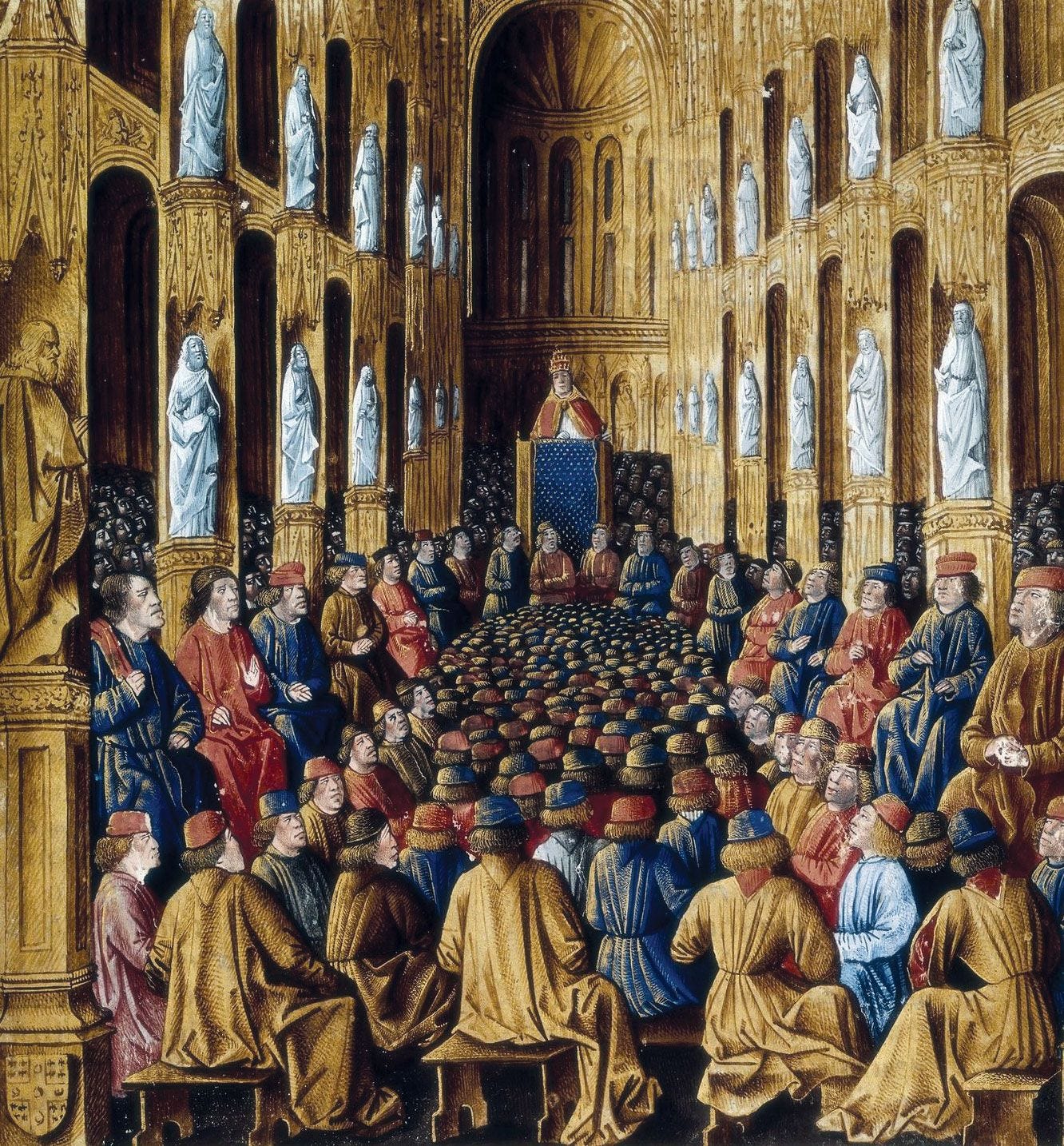
By the time Pope Urban II calls for action decades later, these kinds of events have already spread across Europe, carried by survivors and preserved in the accounts of chroniclers who record what pilgrims faced on the road to Jerusalem.
The German pilgrimage of 1064 stands as one of the clearest examples of this reality because it is so clearly described and so difficult to dismiss.
And it is from experiences like these that the Crusades find their justification.
Short answer: absolutely
Of course they were, especially when you learn of the myriad Muslim jihads and atrocities during the preceding 4.5 centuries, particularly the actions of the Seljuk Turks in the 11th century immediately preceding the first crusade.