
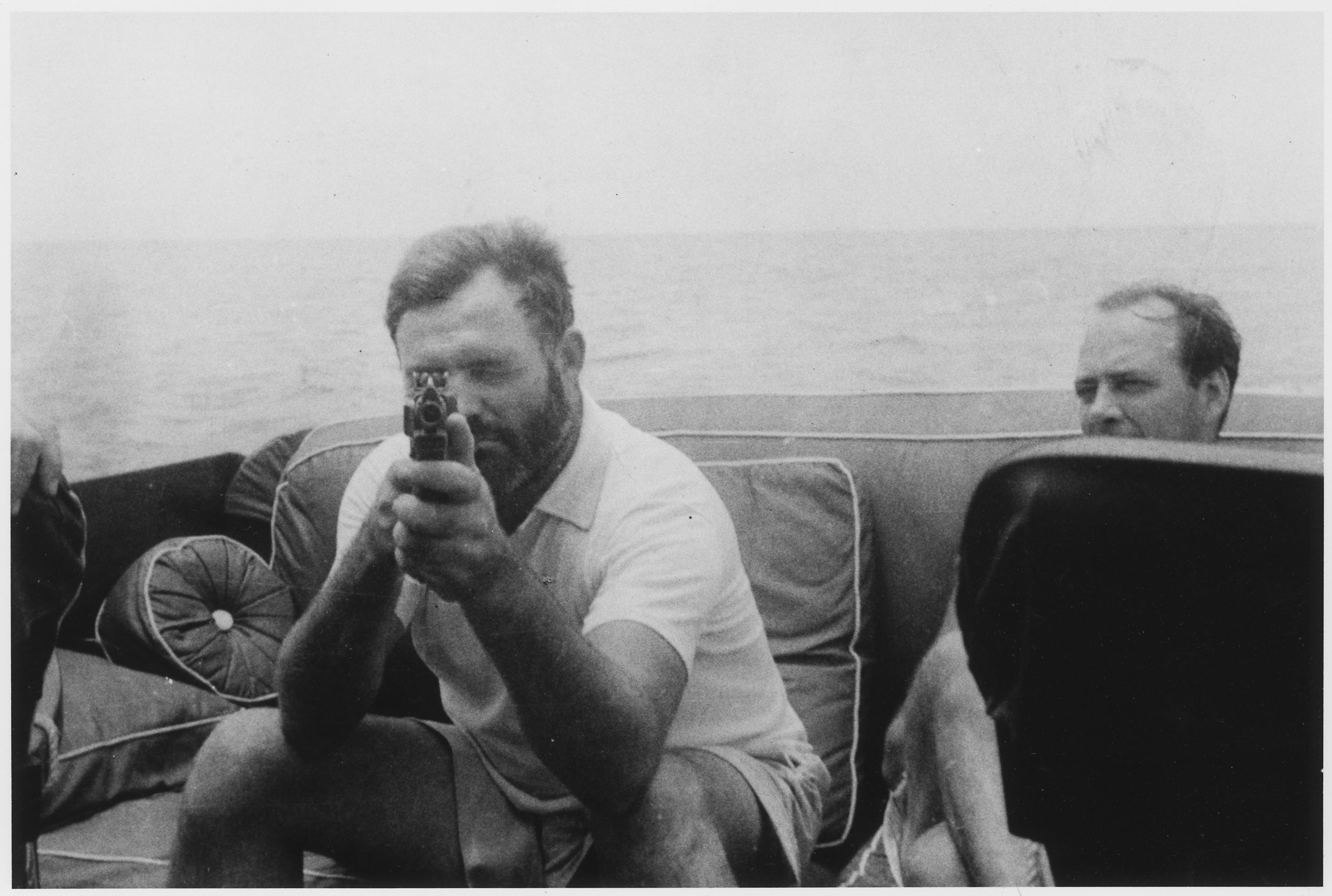
When people think of Hemingway, they usually think of war. The image is almost cinematic: the young ambulance driver in Italy during World War I, the journalist at the front in Spain, the old correspondent moving with Allied troops in France. Even his novels are full of war. A Farewell to Arms is about World War I. For Whom the Bell Tolls is about the Spanish Civil War. Across the River and Into the Trees is about an old colonel haunted by his past campaigns. Hemingway once said that all true stories end in death, and war gave him more death than anything else. He was fascinated by it, scarred by it, and defined by it.
It would be easy to dismiss this as bravado. Hemingway liked to play the part of the tough guy. He carried himself as if he belonged in uniform. But the truth is more complicated. Hemingway was not a soldier in the formal sense. He never rose through military ranks. He was an ambulance driver, a reporter, a hanger-on who always found his way to the front. What makes his story interesting is not that he was a great warrior, but that he was a writer who kept chasing war, needing it, even when it hurt him. To understand Hemingway is to understand why he could not leave war alone.
Reminder: The Western Spirit is a reader-supported publication. We are very close to 100 subscribers!
If you’ve been enjoying these essays, consider becoming a paid subscriber. For a few dollars a month, you’ll get:
In-depth pieces on forgotten battles, brave men, and turning points in Western history
Reflections on faith, order, tradition, and the deeper meaning behind culture
Full access to the growing archive — essays, book breakdowns, and historical deep dives
This project exists because readers like you make it possible.
World War I: Baptism in Italy
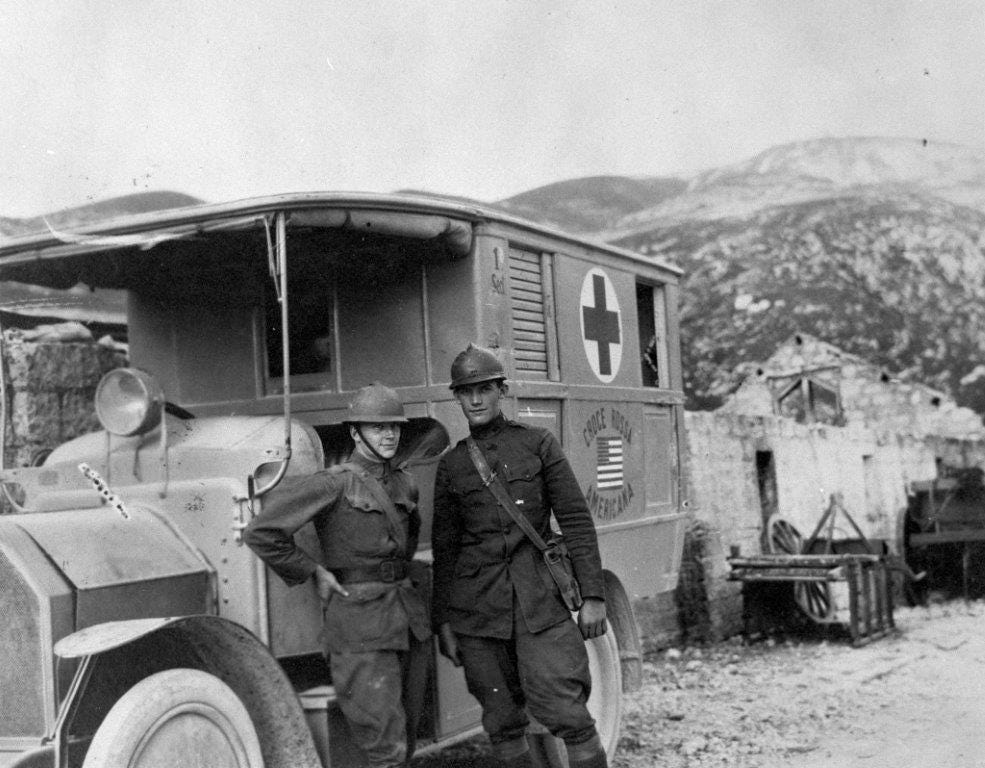
Hemingway’s first war was the First World War. He was 18 in 1917, too young to be drafted, but he wanted to be part of it. He tried to enlist in the U.S. Army but was rejected for bad eyesight. That might have ended it, but Hemingway found another way. The Red Cross was recruiting ambulance drivers for the Italian front, and he signed up. In May 1918, he arrived in Italy, full of youthful bravado.
He spent weeks driving ambulances and delivering supplies. He saw wounded men, shattered towns, and the chaos of a war already years old. On July 8, 1918, near the Piave River, Hemingway was carrying chocolate and cigarettes to the front lines when a mortar exploded near him. Shrapnel tore into his legs. Even as he fell, Hemingway saw another man wounded and carried him to safety, only to be hit by machine-gun fire. He collapsed but survived. He was only 19.
That night, in the field hospital, he joked with the nurses, drank wine, and played the hero. But the wounds left him scarred for life. Two hundred pieces of metal were removed from his legs. He would always walk with some pain. More than that, the war made him see death up close for the first time. Later he would write: “When you go to war as a boy you have a great illusion of immortality. Other people get killed; not you. Then when you are badly wounded for the first time, you lose that illusion.”
In the hospital in Milan, Hemingway fell in love with Agnes von Kurowsky, a nurse seven years older. Their doomed romance became the basis for A Farewell to Arms. The novel is not about glory. It is about love, disillusionment, and death. That was Hemingway’s first lesson in war: that behind uniforms and medals were pain, betrayal, and loss.
Between Wars: Restlessness and the Greco-Turkish Front
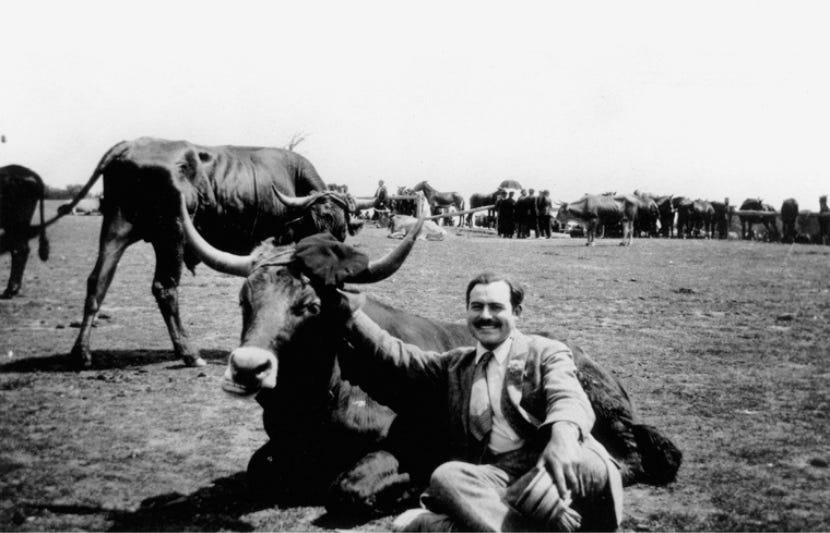
After World War I, Hemingway returned to America but could not settle. He married, became a journalist, and moved to Paris, where he fell in with writers like Gertrude Stein, Ezra Pound, and F. Scott Fitzgerald. But peace bored him. He needed conflict. Journalism became his ticket back to war.
In 1922, he covered the Greco-Turkish War for the Toronto Star. He saw the retreat of the Greek army and the suffering of refugees. He was only in his early twenties, but he was already learning how to turn the chaos of war into words. His dispatches were blunt, unsentimental, and often shocking. They did not make him famous, but they trained him. He began to see that war was not just battlefields. It was starvation, exile, and broken families. These themes would echo later in his short stories, where war is always present even when no shots are fired.
This period also deepened Hemingway’s obsession with courage. He liked to test himself… boxing, bullfighting, big-game hunting, but war remained the ultimate test. For Hemingway, war was where men showed what they were made of, whether they endured or broke. That idea, right or wrong, would shape his fiction forever.
The Spanish Civil War: Witness and Mythmaker
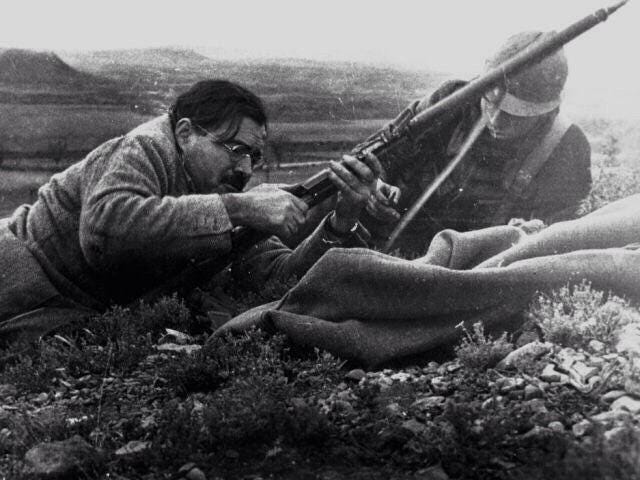
The Spanish Civil War in the 1930s was Hemingway’s great middle act as a war writer. By then he was a celebrity. The Sun Also Rises and A Farewell to Arms had made him famous. But fame did not satisfy him. Spain offered him both a cause and a stage.
The war had begun in 1936 when Patriots under Francisco Franco fought against the Spanish Communists. The conflict quickly became a proxy war. Italy and Nazi Germany backed Franco. The Soviet Union and international brigades of volunteers backed the Republic. For many intellectuals, Spain was the front line in the fight against fascism. Hemingway wanted to be there.
He went as a journalist but acted more like a participant. He lived in Madrid during the siege, drank with fighters, and gave speeches to raise support for the Republic. He worked on a propaganda film, The Spanish Earth, narrating it in his trademark blunt style. To friends, he acted as if he were part of the war, not just covering it.
Still, the war marked him deeply. His novel For Whom the Bell Tolls (1940) came out of Spain. It tells the story of Robert Jordan, an American volunteer who blows up a bridge and dies for the Republic. The novel is full of Spanish landscapes, doomed love, and the fatalism of sacrifice. Hemingway idealized the Republic, but the novel captures something universal: that in war, you often fight knowing you will lose, but you fight anyway. That mixture of courage and futility became Hemingway’s war ethic.
World War II: The Old Correspondent
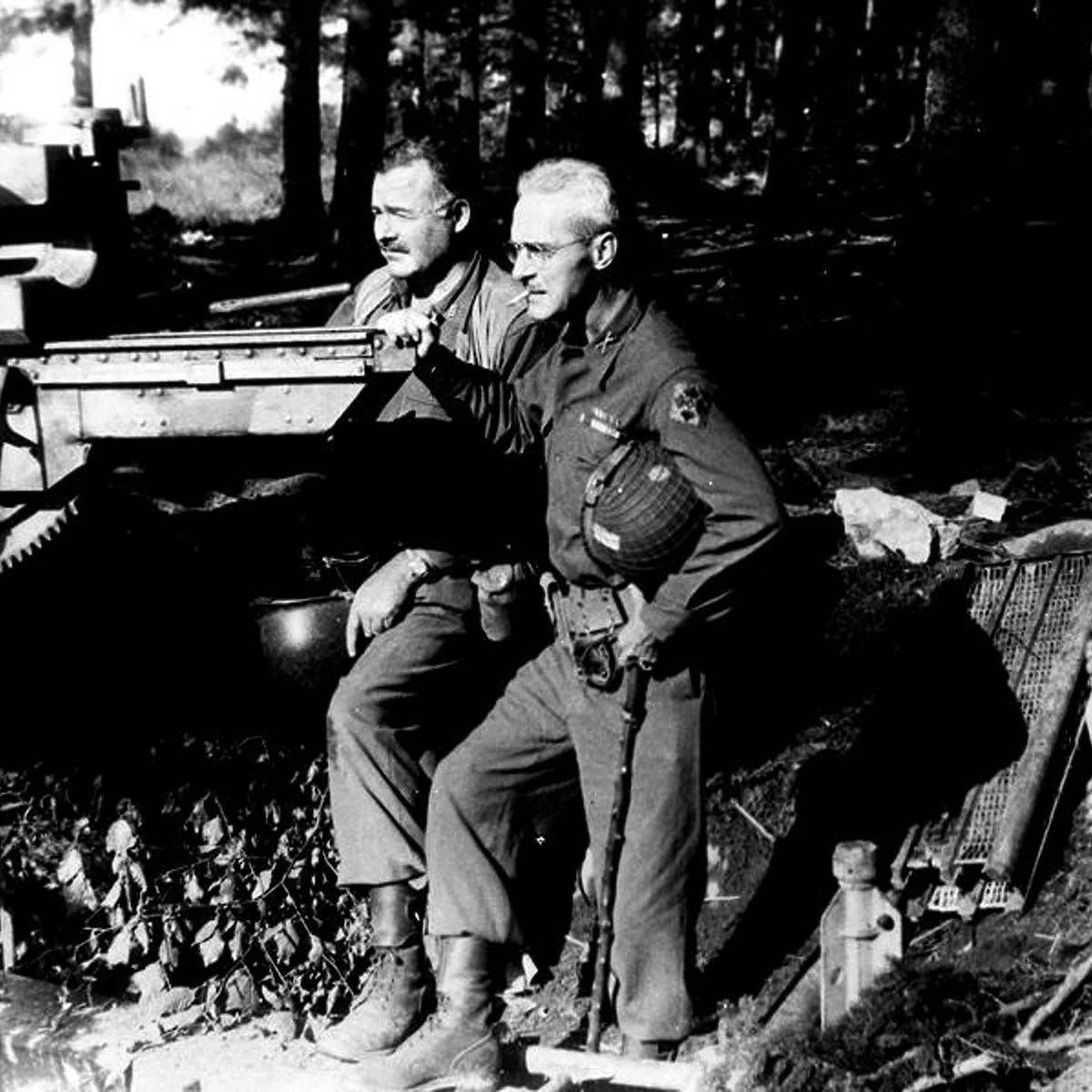
By the time World War II broke out, Hemingway was in his forties. He could have sat it out. He was already a legend. But he could not resist. He signed up as a correspondent for Collier’s magazine and threw himself into the European front.
In 1944, he was in London during the buzz-bomb raids, then crossed the Channel with American troops after D-Day. He attached himself to the 22nd Infantry Regiment and became more than a journalist. He carried a carbine, wore military gear, and sometimes directed soldiers. Officially he was not supposed to fight, but Hemingway was never good at rules. Some accused him of violating the Geneva Convention by acting like a soldier while claiming to be a reporter.
He was present during the liberation of Paris. He even took over the Ritz Hotel with a group of armed irregulars, drinking champagne in its bar before the city was fully secure. He rode with troops through France, witnessed battles in the Hürtgen Forest, and saw the devastation of war close up.
Hemingway’s World War II was both adventure and trauma. He loved the camaraderie, the sense of purpose. But he also drank heavily, crashed cars, and pushed himself to exhaustion. By the end of the war, his health was broken. Yet he turned it into stories, like Across the River and Into the Trees (1950), which reflects the war-weariness of an older soldier, and later fragments that never fully came together into the big World War II novel he dreamed of writing.
War as Obsession
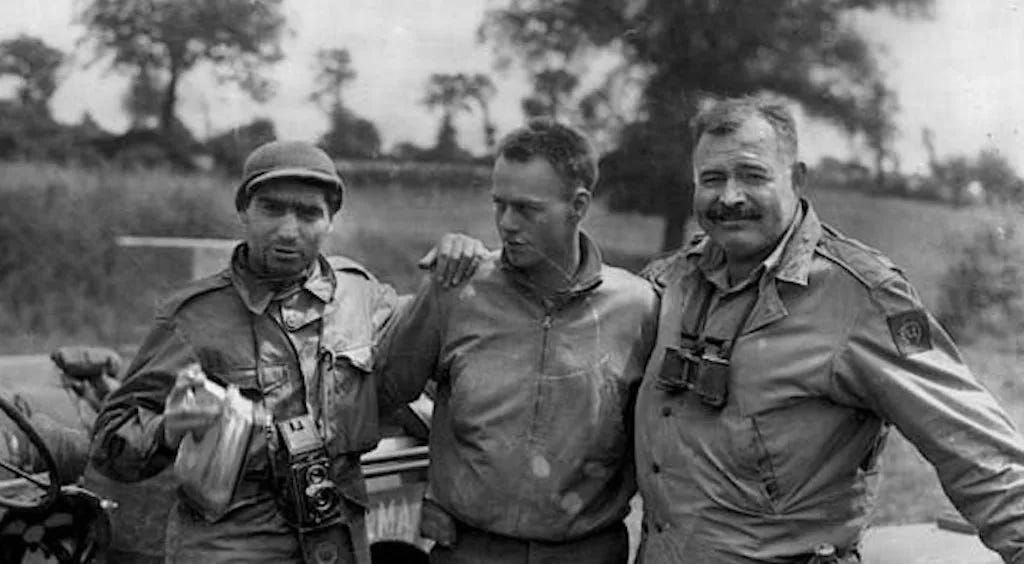
What ties all these wars together is Hemingway’s need to be close to them. He was not content to read about them. He wanted to see, hear, feel. He risked his life many times, sometimes recklessly. Friends often wondered why. Part of it was ego. Hemingway wanted to be known as brave. But part of it was deeper.
For Hemingway, war was the ultimate reality. It stripped away pretenses. In peace, people lied. In war, the lies fell apart. Men showed what they were under pressure. That fascinated him. It terrified him too, but he kept returning to it. He once said, “The world breaks everyone, and afterward many are strong at the broken places.” War was the great breaking.
It also gave him subjects. Without war, his books would not exist. A Farewell to Arms, For Whom the Bell Tolls, In Our Time, Men at War — all came from his experiences. Even his fishing and hunting stories echo with the same themes: courage, endurance, death. War gave Hemingway the framework of his art.
The Cost of War
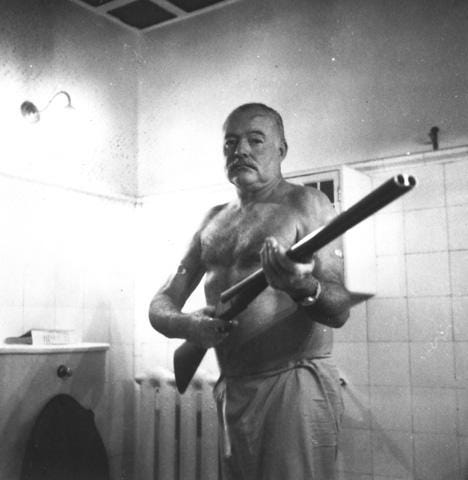
But war also destroyed Hemingway. The wounds from Italy never fully healed. The trauma of Spain left him disillusioned. World War II pushed him into depression and alcoholism. By the 1950s he was struggling with paranoia, convinced the FBI was watching him — and in fact, they were, because of his leftist sympathies in Spain. He suffered from concussions, high blood pressure, and the effects of years of drinking.
War gave him fame and material, but it also fed the demons that killed him. He shot himself in 1961, a man broken by the very experiences that had made him a writer. In the end, war was both his muse and his curse.
Conclusion
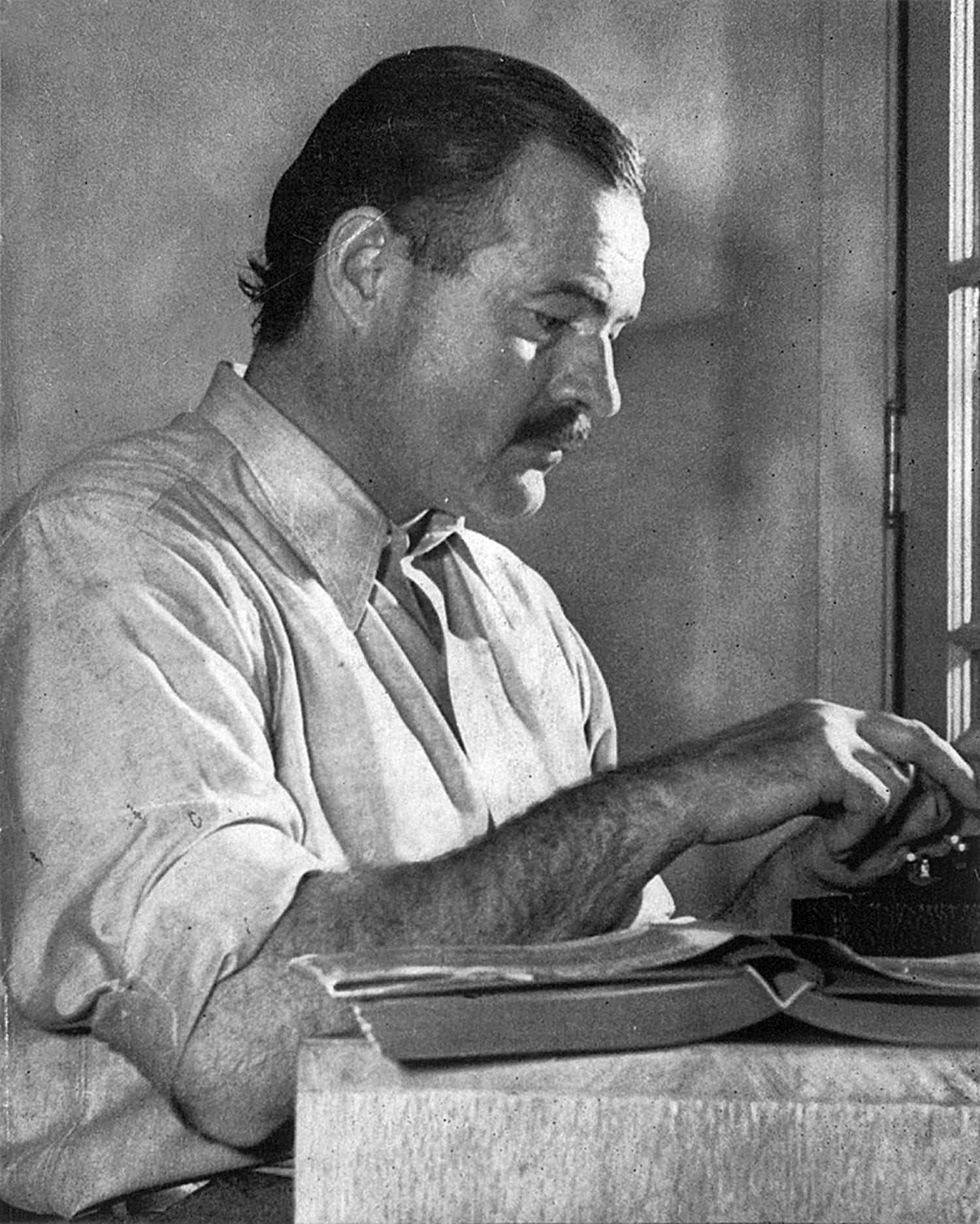
He was never a general, never a soldier in the conventional sense. But he lived closer to battle than most writers ever dared. He chased wars across four decades and four continents. He turned them into fiction that defined a century.
What makes his story powerful is that he wrote. War for Hemingway was a test of truth. He wanted to know how people behaved when stripped bare. He wanted to know what courage and despair looked like when all illusions were gone. War gave him the answers, though they cost him everything.
When you read Hemingway on war, you see both the attraction and the destruction. You see why men rush to battle and why they come home broken. You see why he kept going back, even when he no longer had the strength…
Hemingway and Ernie Pyle crossed paths in France during the assault on Paris … Ernie Pyle’s WWII writing has no peer …
Hey Mike
Yes he was fascinated by fighting and overcoming fear. Great read.
I’ve subscribed to you and please consider subscribing to me.
Here’s one of my posts:
Set in the intoxicating atmosphere of 1920s Paris, Making A Moveable Feast is the daily conversations of Ernest Hemingway and Hadley Richardson finding their feet in the romantic City of Light in 1922.
Here’s one of my posts:
https://open.substack.com/pub/paulwbmarsden/p/the-year-hemingway-became-hemingway?r=206izj&utm_medium=ios