
Our culture loves a good origin story. The lone genius who changes the world. The small tribe that becomes a mighty empire. The great leap forward that rewrites history.
But we’re far less comfortable with endings. We like to imagine that nations and civilizations can endure forever, that decline is avoidable, that somehow this time will be different.
Yet history is a graveyard of fallen worlds: Babylon, Athens, and Rome. All once stood at the very center of civilization. All are now dust.
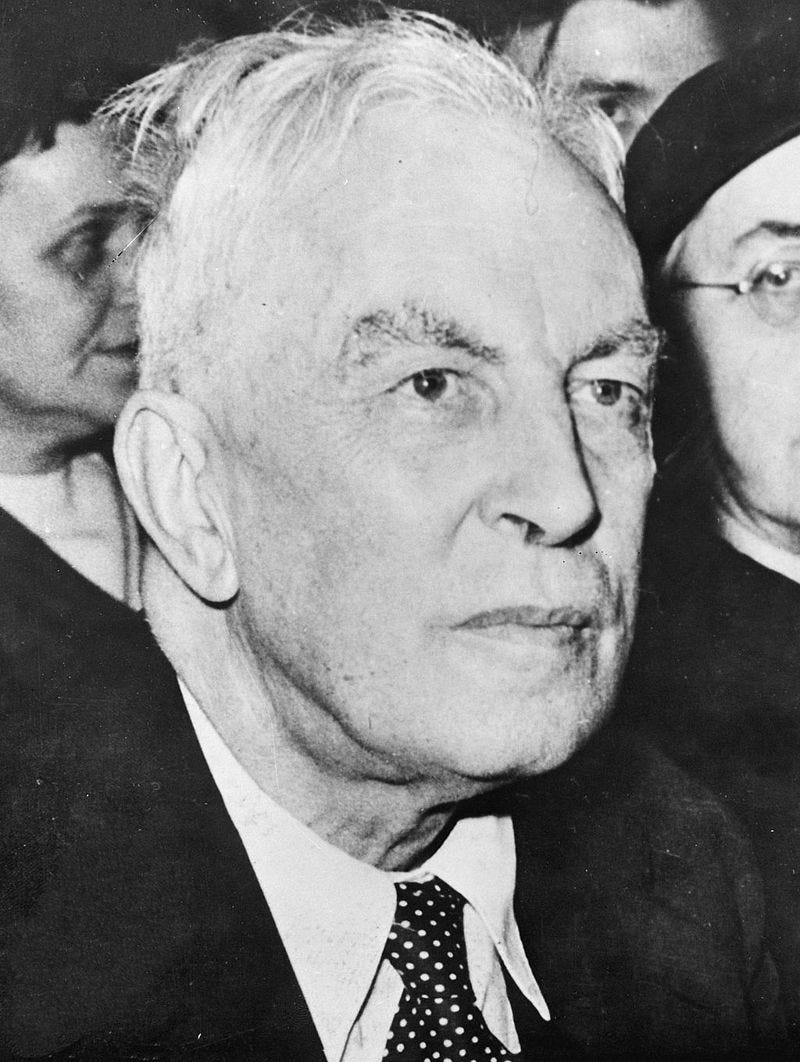
The British historian Arnold Toynbee spent decades trying to understand why. In his monumental twelve-volume A Study of History (1934–1961), he argued that civilizations do not die by murder — they die by suicide. Collapse, in his view, is never inevitable. But it happens with such regularity because the very forces that make a civilization great contain the seeds of its undoing.
And if Toynbee was right, the fate of our own Western world is already being decided…
Challenge and Response
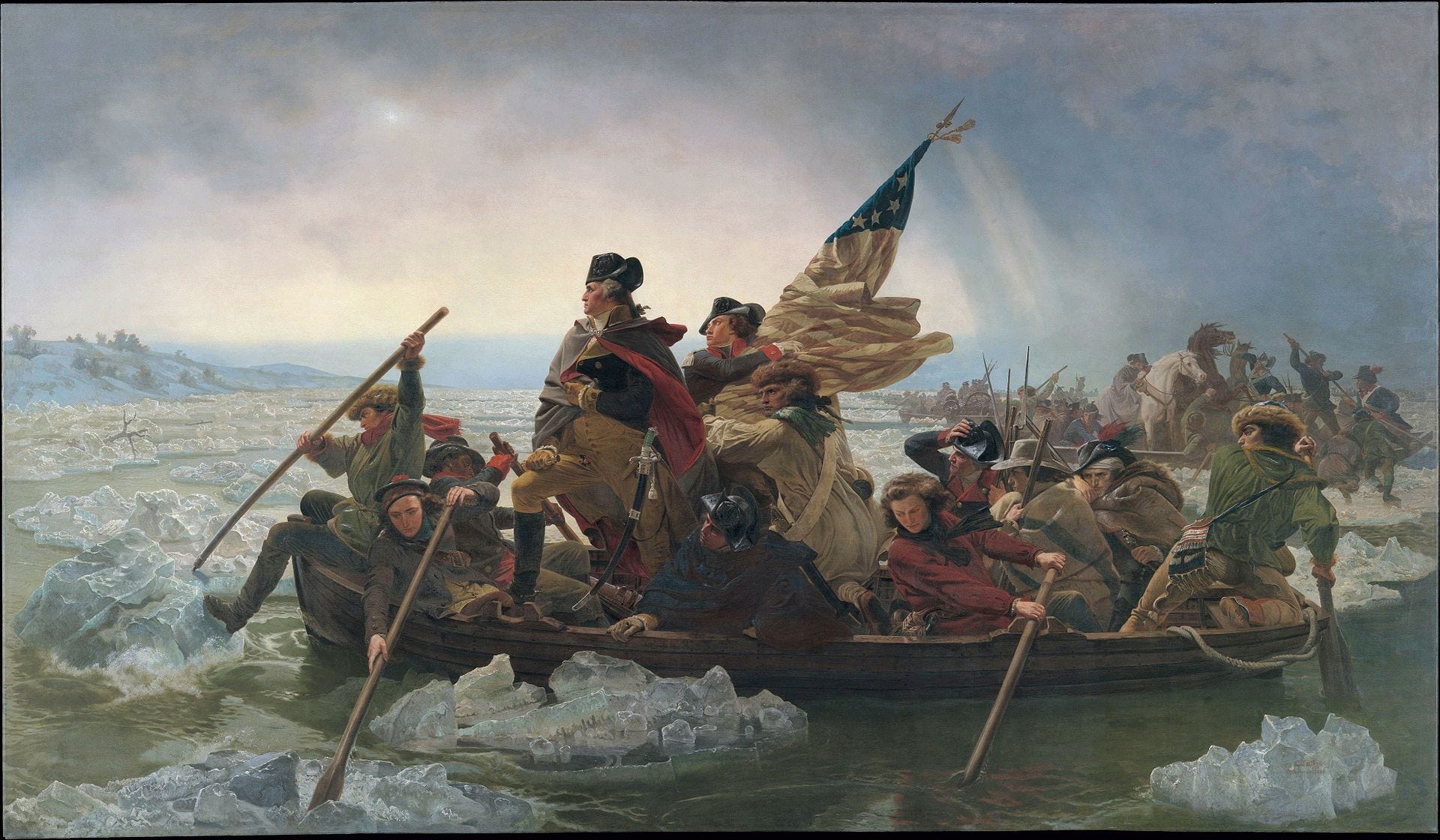
At the heart of Toynbee’s theory lies a deceptively simple idea: civilizations are born when a group of people responds creatively to a severe challenge.
It could be a harsh climate, a powerful rival, or a sudden crisis. The challenge forces them to adapt, innovate, and unite. This is how the Egyptians tamed the Nile, how the Greeks developed the city-state, and how medieval Europe forged itself after the chaos of Rome’s fall.
But the people who meet these challenges are not the masses. Toynbee called them the “creative minority” — leaders, thinkers, builders, and visionaries who inspire others to follow. These are the culture’s architects.
Over time, their solutions become the foundation of a great civilization. Laws, traditions, and institutions solidify. Prosperity grows.
And yet…
It’s at this moment of triumph that the rot begins.
The Shift from Creative to Dominant
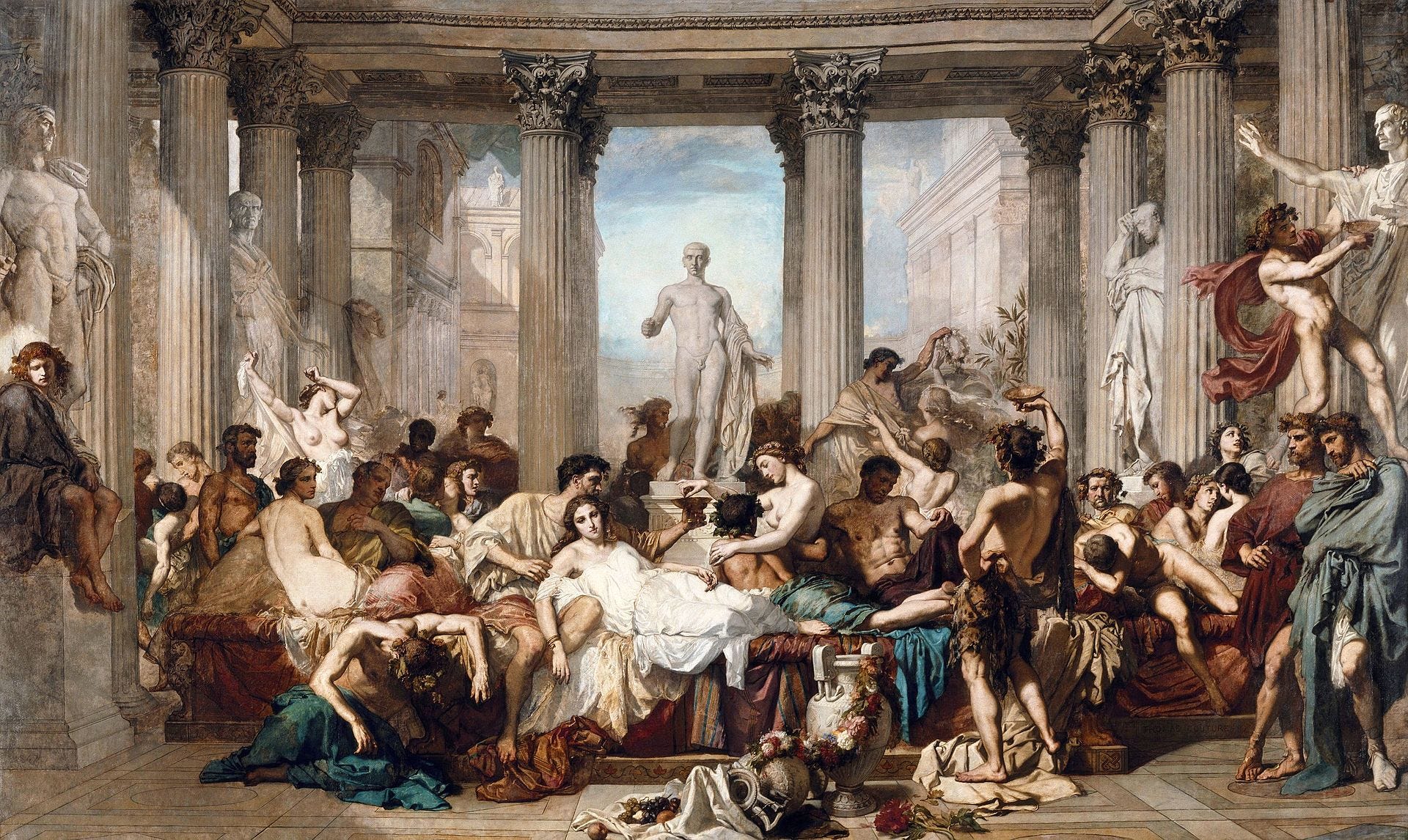
The problem, Toynbee argued, is that the creative minority rarely stays creative. Power calcifies. Leaders become less concerned with solving new problems and more concerned with preserving their privileges.
They transform into a “dominant minority” — ruling by habit, ritual, and force rather than vision. The once-dynamic civilization becomes rigid, unable to adapt to fresh challenges.
The people, sensing this failure, begin to withdraw their allegiance. They no longer see themselves as part of the grand cultural project. Social cohesion frays. Political order weakens. The center stops holding.
Toynbee saw this pattern in ancient Egypt, in imperial Rome, and he feared it was repeating in the West.
The Time of Troubles
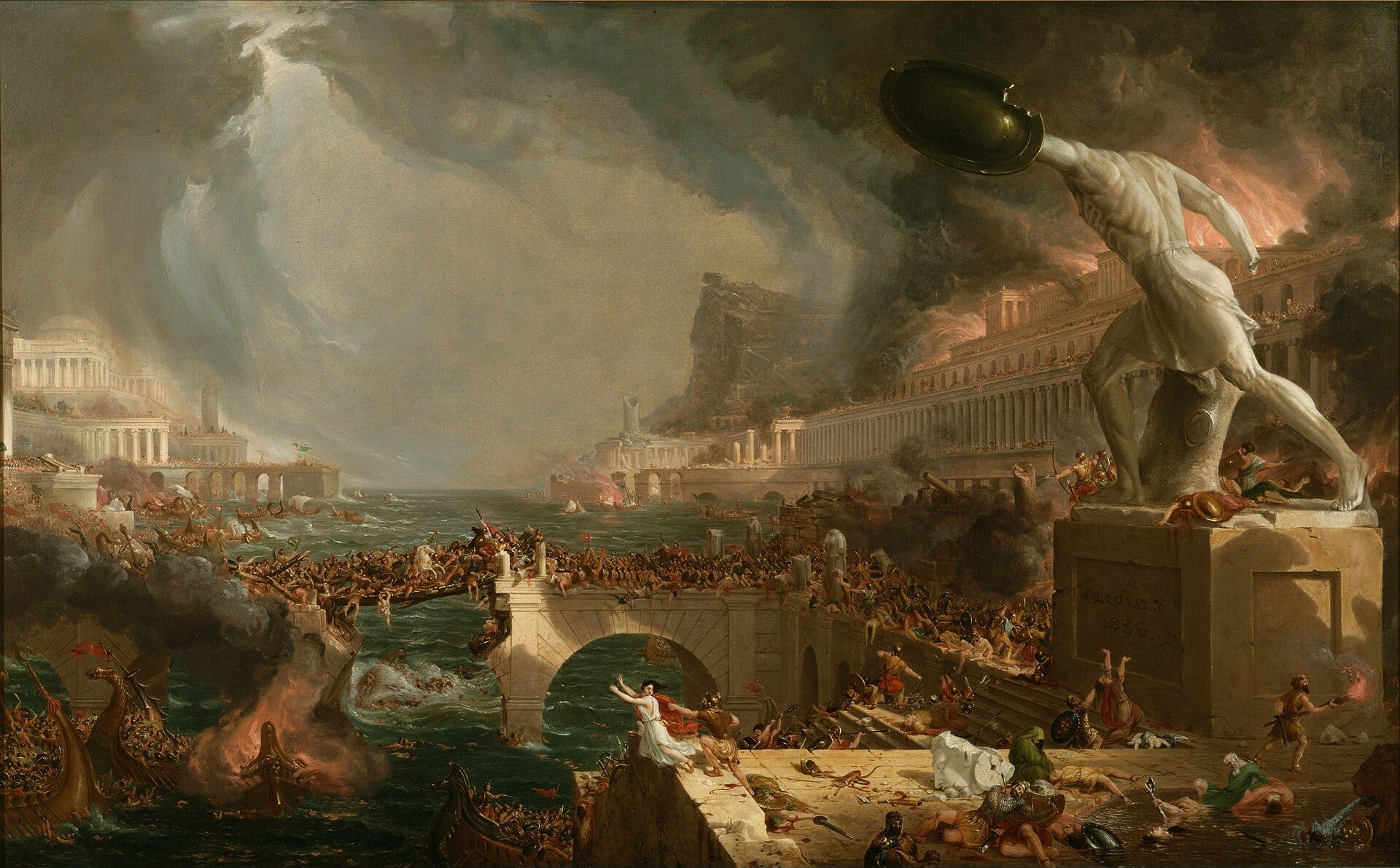
As the dominant minority loses legitimacy, what follows is a “time of troubles” — political upheaval, civil war, economic breakdown. The bonds that once held society together dissolve.
In this chaos, two groups emerge:
The Internal Proletariat — the disillusioned masses inside the civilization, alienated from its values.
The External Proletariat — rival societies on the outside, watching, waiting, and preparing to move in.
These forces press on the weakening civilization from within and without. And eventually, the old order gives way…
What happens next is shocking. Toynbee called it the birth of the “universal state,” the final act before the curtain falls. If he is right, it is exactly where the West may be headed today…
The rest of this deep dive, including what the “universal state” looks like, why it always fails, and Toynbee’s haunting prediction for our future, is for members only.