
Across civilizations, honor was a way of telling people where they stood. It placed the individual inside a moral order that already existed before they were born and would remain after they were gone.
Because of this, actions mattered more. What someone did was a public signal of alignment or failure. Honor made behavior legible to others and to oneself.
Christianity entered history already carrying this understanding, and over time it refined and deepened it. Honor became inseparable from truth, virtue from formation, and moral life from the slow alignment of the human soul with what is real. Christianity preserved honor because it affirmed that human beings are shaped by what they love, and that love itself requires education.
This vision remains compelling because it rests on a demanding conviction: that the world possesses moral structure, and that the human person flourishes by learning to live in harmony with it.
The Western Spirit exists because of readers like you. Join us and help keep this project alive and independent.
If you’ve been enjoying these essays, consider becoming a paid subscriber. For a few dollars a month, you’ll get:
In-depth pieces on forgotten battles, brave men, and turning points in Western history
Reflections on faith, order, tradition, and the deeper meaning behind culture
Full access to the growing archive — essays, book breakdowns, and historical deep dives
This project exists because readers like you make it possible.
Honor as Moral Recognition
Honor begins with perception, with the ability to recognize that certain realities possess intrinsic worth and therefore call for reverence, loyalty, and care.
Truth calls for fidelity. Promises call for faithfulness. Life calls for protection. God calls for worship. Honor names the posture of response that follows once worth has been perceived.
The Psalms articulate this posture with luminous clarity:
“Give unto the Lord the glory due unto his name; worship the Lord in the beauty of holiness.”
— Psalm 29:2
Honor moves outward, establishing direction before action. Worship itself becomes a form of moral recognition, a way of acknowledging reality as it is and responding accordingly. The soul is oriented before it acts.
Christian theology grounds this orientation in creation itself. The world exists as an ordered reality, intelligible and meaningful, within which human beings discover themselves as participants rather than authors. Honor becomes the human acknowledgment of this order and of one’s place within it.
Virtue as the Formation of the Soul
Virtue develops slowly, through repetition, guidance, correction, and endurance, shaping the inner life over time rather than transforming it instantaneously.
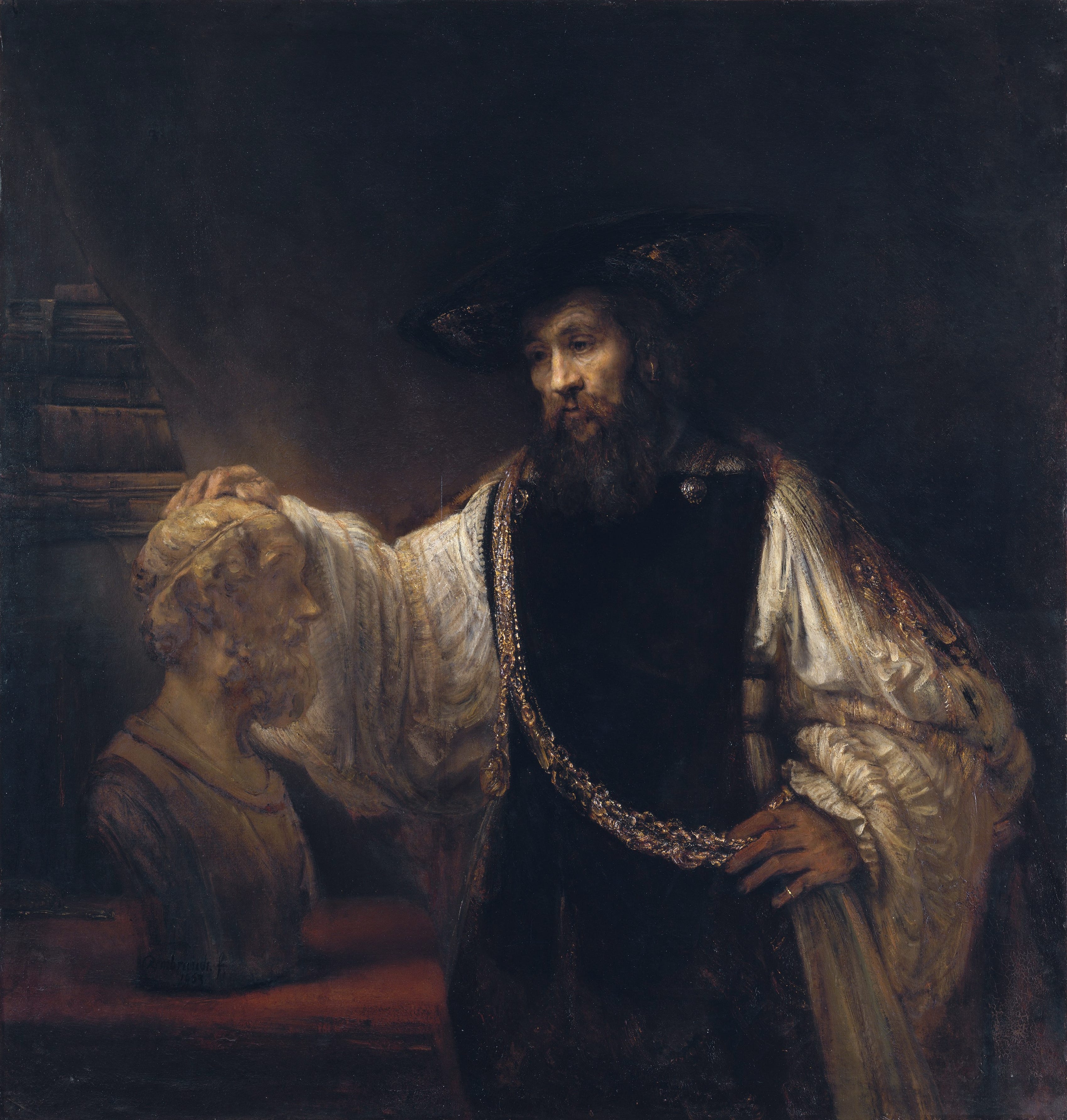
The insight articulated by Aristotle remains foundational:
“We become just by doing just acts, temperate by doing temperate acts, brave by doing brave acts.”
Christian thinkers received this insight and extended it by placing it within a theology of grace. Virtue remained habitual excellence, yet the soul was understood as wounded, in need of healing as well as training. Formation became both moral and spiritual.
Augustine of Hippo expressed this reality with enduring precision:
“Virtue is nothing other than the ordering of love.”
Honor identifies what deserves love. Virtue trains the soul to love it steadily, so that desire itself acquires shape and coherence. The moral life unfolds as a gradual education of the heart.
Honor and the Presence of Judgment
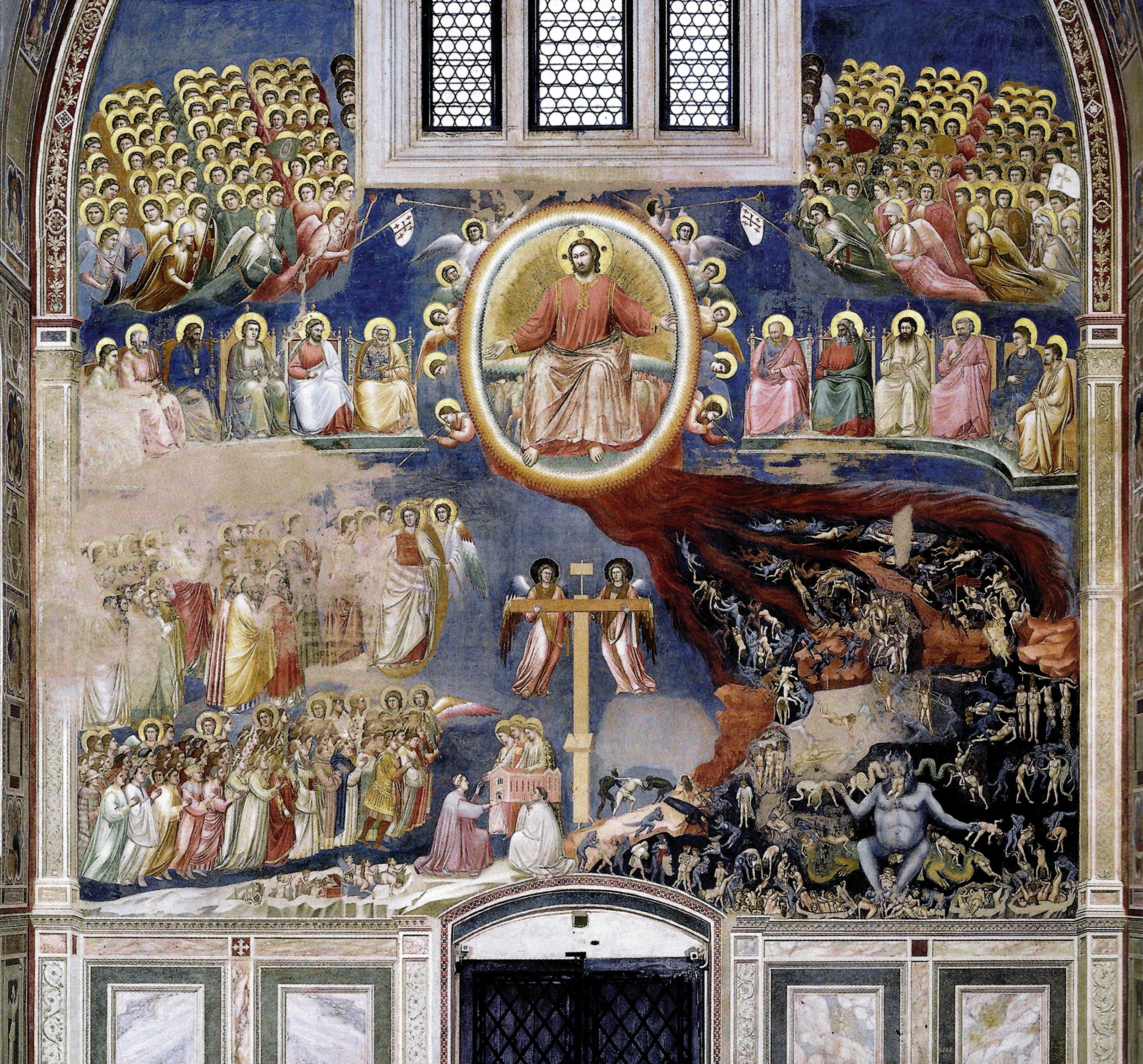
A life shaped by honor carries an awareness of presence, an understanding that actions unfold within a moral horizon that includes judgment, mercy, and truth.
Scripture speaks of this awareness with quiet insistence:
“The eyes of the Lord are in every place, beholding the evil and the good.”
— Proverbs 15:3
Integrity emerges as the alignment of belief and action, sustained even when unobserved. Honor preserves this coherence by anchoring freedom to responsibility and reminding the soul that choices participate in reality.
Virtue and the Education of Desire
Christian moral teaching consistently returns to desire because desire directs the soul long before reason articulates argument.
What a person loves determines what he seeks, what he endures, and what he becomes capable of sacrificing. Honor directs love toward worthy objects, while virtue stabilizes that direction through habit and formation.
Thomas Aquinas described virtue as the perfection of the powers of the soul, a state in which reason governs desire and appetite aligns with truth. Through virtue, the human person becomes integrated, capable of sustained attention and faithful action.
The soul learns to want what it has learned to recognize as good.
Shame and Moral Awareness
Within the Christian moral imagination, shame occupies a precise place, functioning as awareness of having fallen short of something genuinely worthy.
Shame presupposes honor, since one cannot experience moral pain without first recognizing value. Christianity situates shame within a larger economy of repentance, confession, and restoration, allowing it to instruct without dominating the soul.
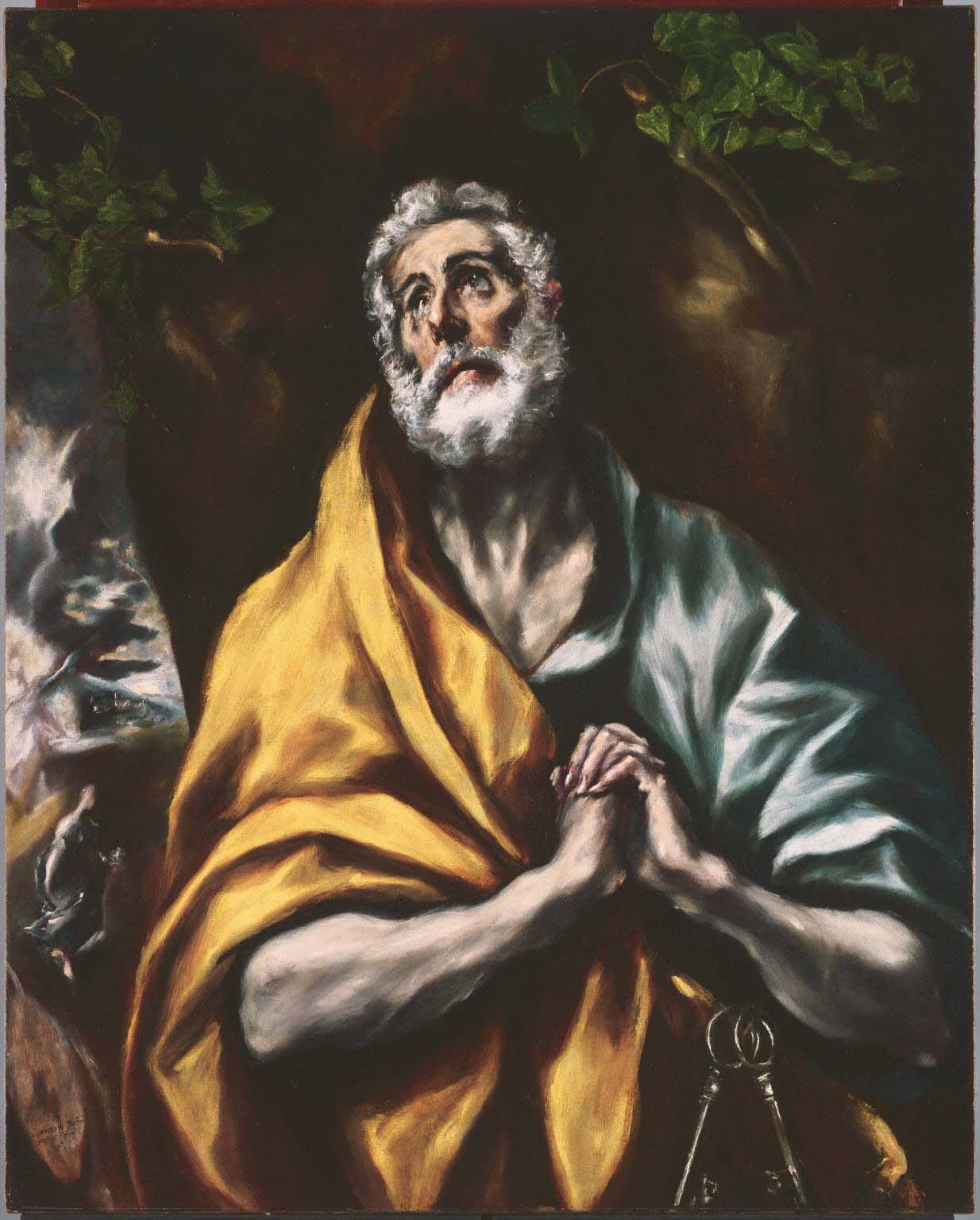
John Chrysostom captured this balance:
“Shame is a good teacher when it leads us to repentance.”
Honor gives shame direction. Grace gives it resolution. Moral awareness becomes a movement toward healing rather than paralysis.
Christ as the Measure of Honor
In Christ, honor reaches its fullest expression through fidelity, obedience, and love sustained without calculation.
The Gospels present a life ordered entirely toward the will of the Father, marked by constancy, patience, humility, and courage. His actions reveal virtue as a unified orientation rather than a collection of traits.
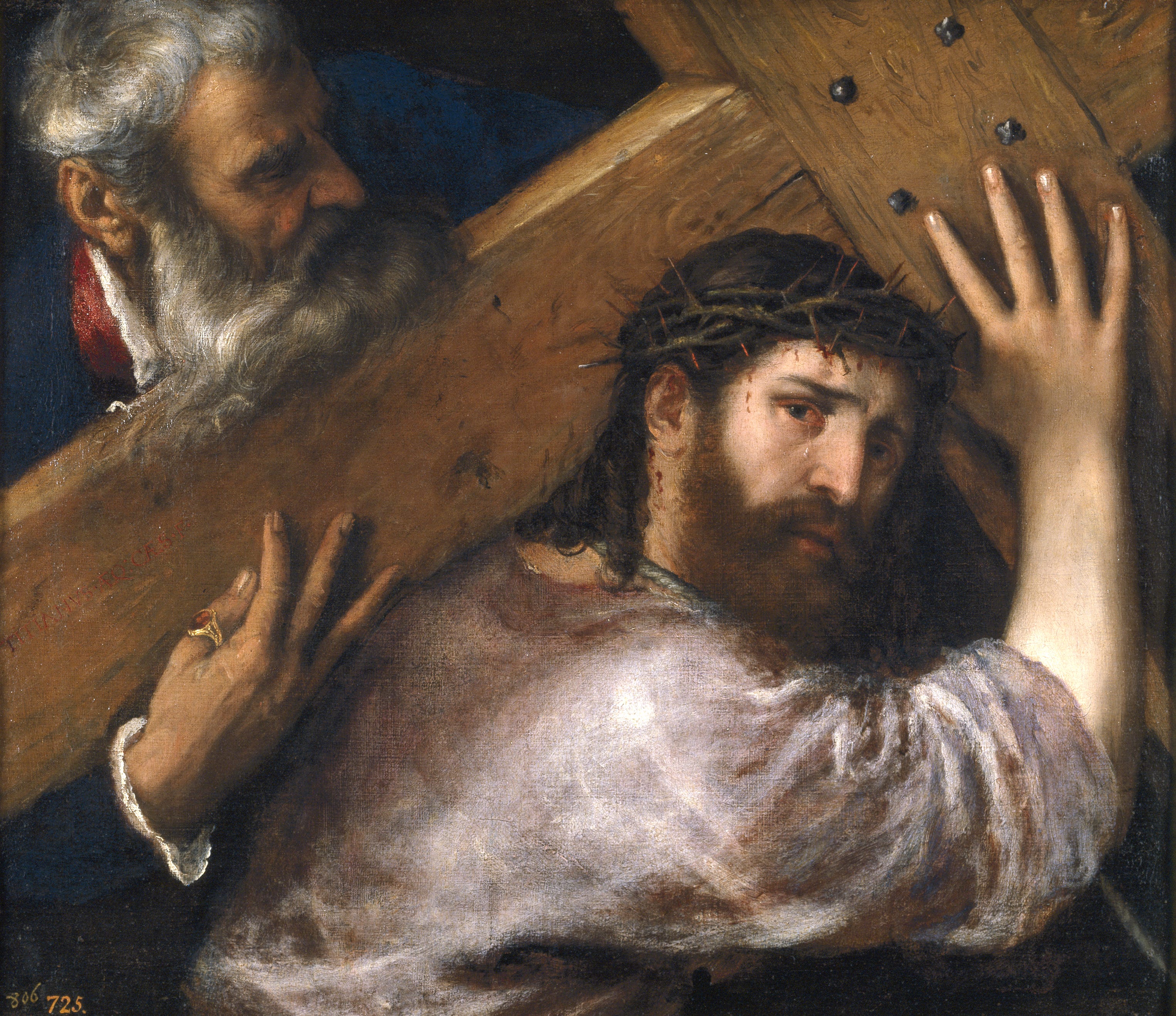
The Cross stands at the center of this vision, revealing honor as faithfulness carried through suffering.
As recorded in the Gospel of John:
“Greater love hath no man than this, that a man lay down his life for his friends.”
Here, honor and virtue converge in self-giving love, establishing a pattern that continues to shape Christian moral aspiration.
Dante Alighieri understood this moral architecture intuitively. In the Divine Comedy, virtue structures Heaven itself, while moral disorder fractures the soul’s ascent. Order remains luminous because it reflects alignment with love.
Virtue in Ordinary Life
Christian honor expresses itself most often in ordinary circumstances, where fidelity unfolds quietly and without spectacle.
It appears in patience under strain, in honesty where deception tempts, in restraint where excess invites, and in perseverance where recognition never arrives. Christian moral teaching emphasizes the cumulative power of small acts, understanding that habits form character and character shapes destiny.
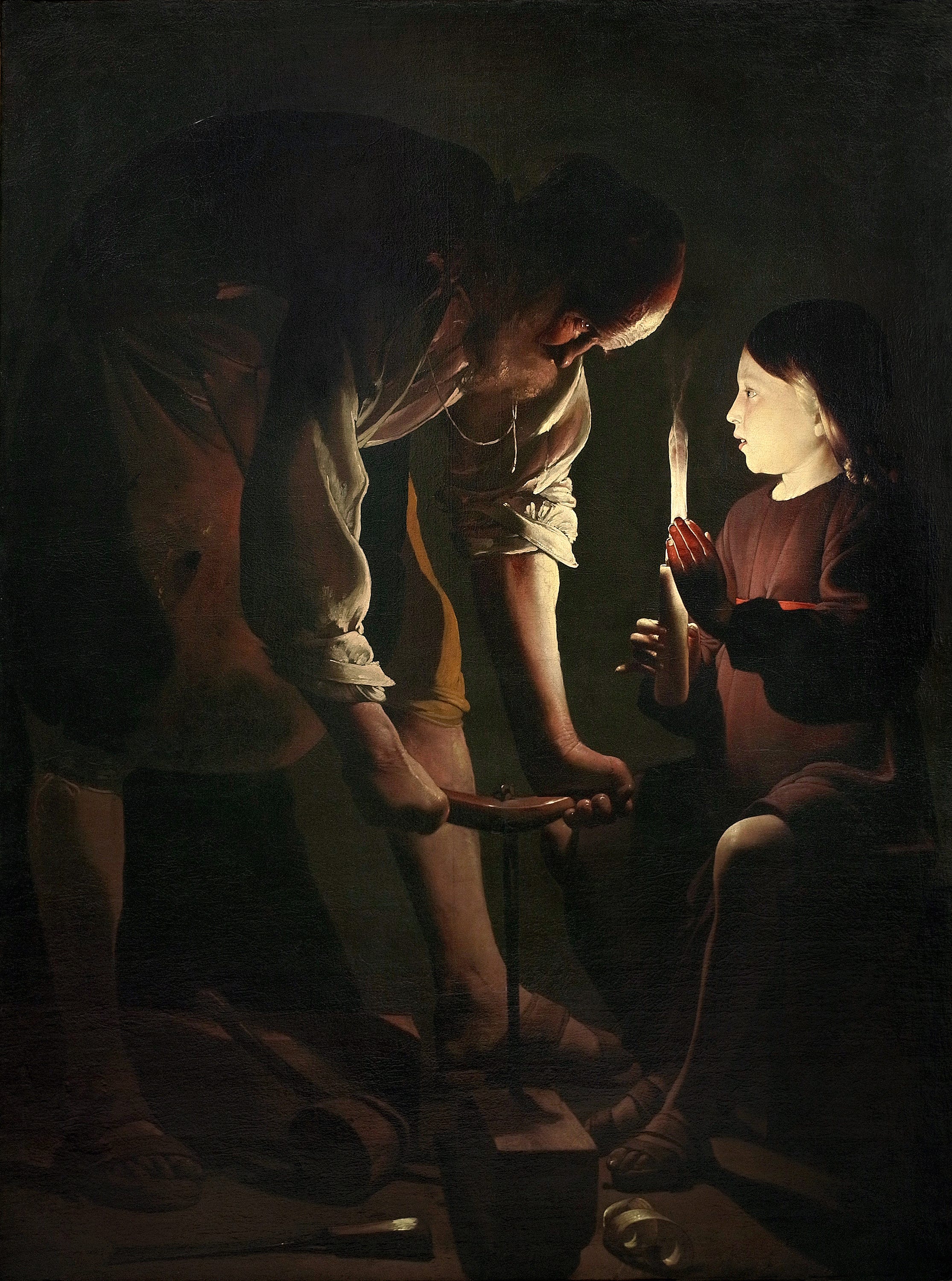
Teresa of Ávila expressed this with gentle clarity:
“God walks among the pots and pans.”
Virtue grows through repetition. Honor sustains seriousness. Daily life becomes morally charged without becoming dramatic.
Honor, Culture, and Moral Continuity
Cultures reveal their moral commitments through the standards they assume and the language they preserve.
Where honor remains intelligible, responsibility carries meaning, commitments endure, and public life retains gravity. Christian civilization developed within this framework, weaving honor and virtue into moral education, civic life, and spiritual formation.
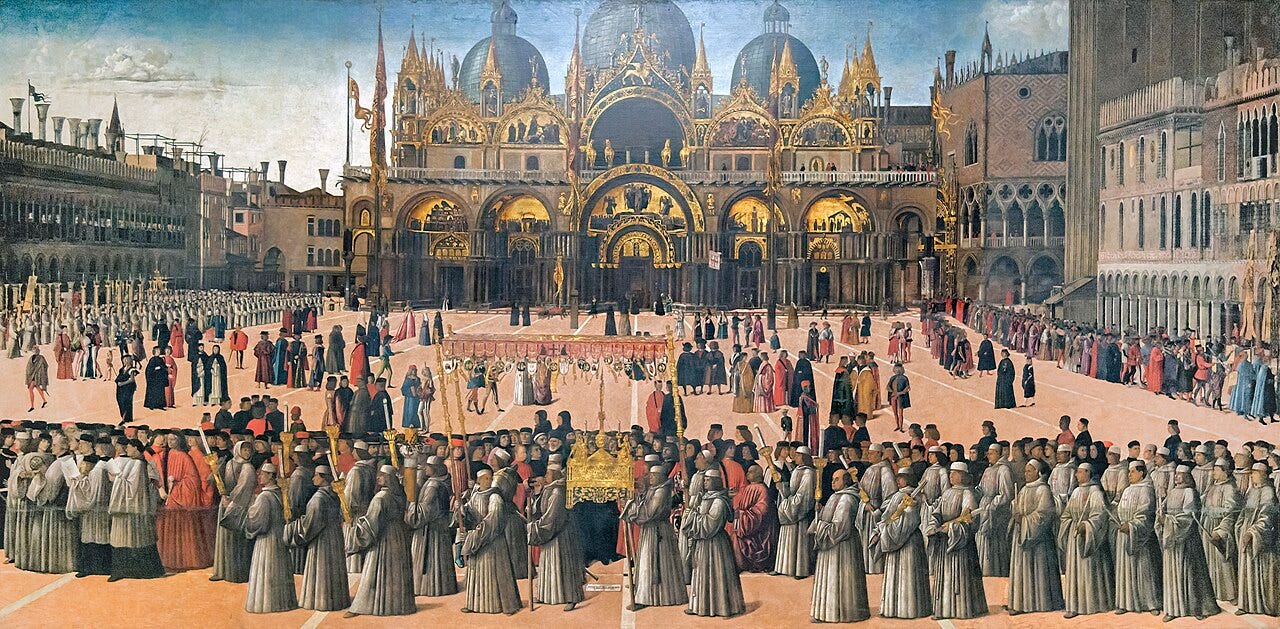
John Henry Newman once wrote that conscience is the “aboriginal vicar of Christ,” a reminder that moral life speaks inwardly because it corresponds to something real. Honor names that correspondence. Virtue sustains it.
G. K. Chesterton observed that Christianity continues to surprise because it insists that joy, discipline, sacrifice, and order belong together. Honor preserves this seriousness. Virtue carries it forward patiently.
Why This Still Matters
Honor remains relevant because human nature remains consistent.
People continue to seek coherence. They continue to struggle with desire and responsibility. They continue to long for lives that feel weighty rather than trivial.
Honor names the human response to a meaningful world. Virtue names the process by which a person becomes capable of living within it.
Christianity offers both, presenting a moral vision grounded in reality, refined through practice, and sustained by grace. A life shaped by honor and virtue carries dignity because it participates in something enduring.
Well-written and coherent. Virtue is a nearly forgotten quality in modern life, while honour even more so - it is perhaps the most alien of qualities to a modern liberal bourgeois mind.
With Christianity infusing society with these qualities, when faith was stripped of its position in society, these elements that were carried alongside it also ceased to be present in society, and no amount of substitute activities of ideology or ethnic fervour coupd replace it.
Our world is training the hearts of the young to love the worthless and to disdain the eternal. While the watchmen cry out and some have begun to reject the institutions of corrupt thought we can only pray for mercy that enough hearts will be changed that their minds may be set aright. For the author has given us the last chapter and we can only faithfully take the next step, praying for wisdom, until the trumpet blows and all is made new.