
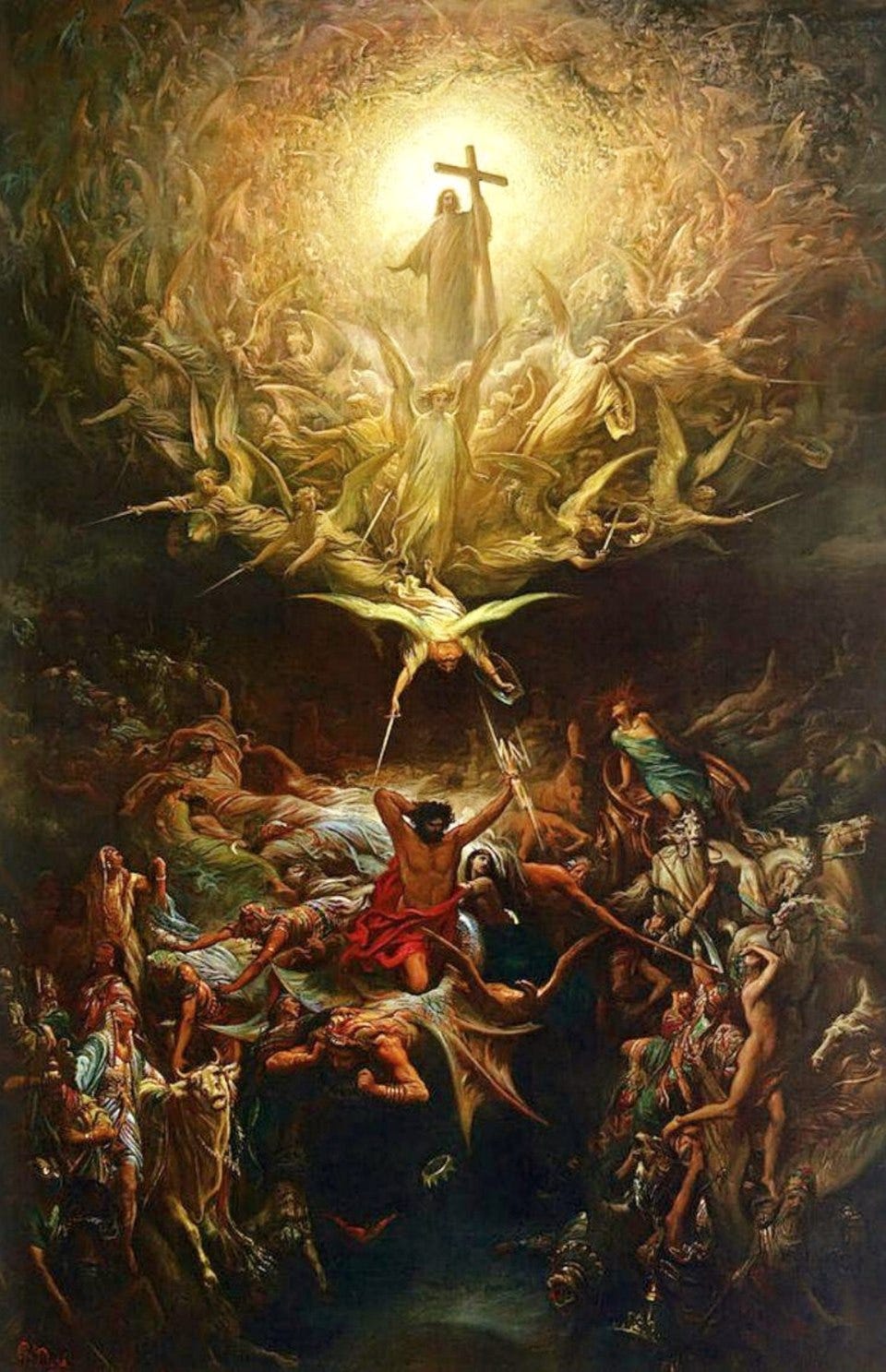
If you dropped someone from the ancient world into the present, the thing that would shock them most wouldn’t be airplanes or phones. It would be how much we care about people who can’t do anything for us.
Hospitals. Orphanages. Charities. Schools for everyone. These things didn’t exist in the pre-Christian world…
The Greeks had philosophy and theater.
The Romans had roads and armies.
But they didn’t have an idea that seems obvious to us: every human life has value.
That idea is so normal now that people forget it came from Christianity.
Most of the institutions we take for granted today started as Christian experiments… not because anyone set out to “build civilization,” but because Christians kept acting on their belief that people mattered. And once you commit to that idea consistently, society begins to reorganize itself around it.
The Western Spirit exists because of readers like you. Join us and help keep this project alive and independent.
If you’ve been enjoying these essays, consider becoming a paid subscriber. For a few dollars a month, you’ll get:
In-depth pieces on forgotten battles, brave men, and turning points in Western history
Reflections on faith, order, tradition, and the deeper meaning behind culture
Full access to the growing archive — essays, book breakdowns, and historical deep dives
This project exists because readers like you make it possible.
How Hospitals Started
The ancient world had doctors, but no hospitals the way we think of them.
If you were poor or contagious, nobody wanted to deal with you.
Early Christians flipped this on its head. They saw the sick as people who deserved care, not abandonment. During plagues, when everyone else ran for the hills, Christians stayed and nursed the dying. Many Christians died doing it.
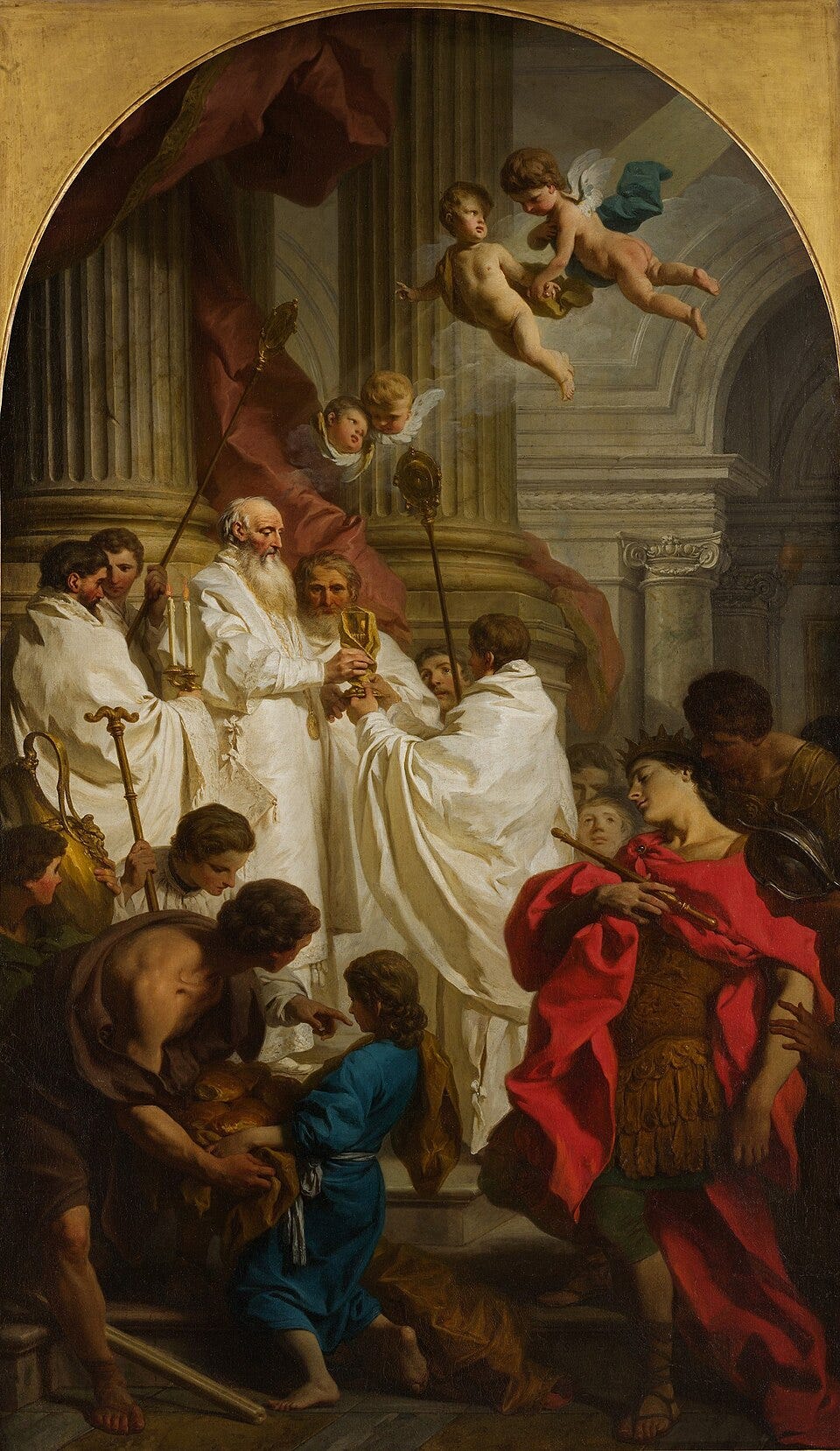
Eventually, this compassion turned into an institution.
Around 370 AD, St. Basil built what we would recognize as the first real hospital… with wards, kitchens, staff, and a mission: care for the sick because their lives matter.
Not elite lives.
Not noble lives.
Just lives.
Every hospital today… public or private, secular or religious… is built on that same moral logic Christianity introduced.
Orphanages, Charities, and the Idea of Helping Strangers
Ancient Rome had no social services.
If a child was unwanted, parents often left the baby outside to die. It was very common.
Christians started picking up these infants. They raised them as their own. The practice became so widespread that by the 4th century, bishops were setting aside money specifically to support abandoned children.
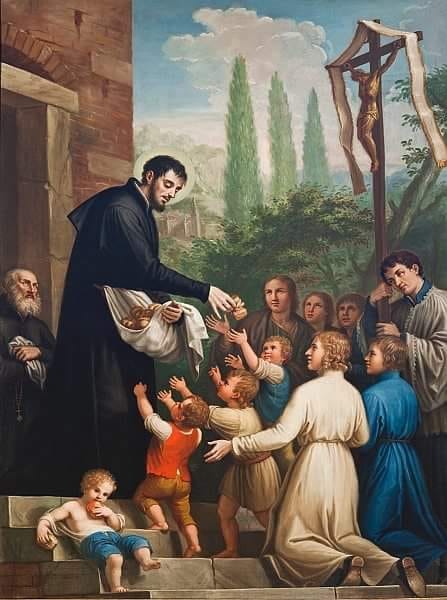
That’s how orphanages began… because regular believers refused to let kids die on the roadside.
The same happened with charity. People donated food, clothes, and money simply because they believed generosity was part of following God. Over time, this became organized: alms houses, soup kitchens, shelters.
How Universities Started
Universities grew out of monasteries.
For centuries, monks had been the only people reading and copying books. They tried to preserve Scripture, and with it, literacy.
Eventually these monastic communities became places where people went to learn. Students gathered. Teachers appeared. And by the 1100s, Europe had something completely new: formal communities of scholars… Paris, Bologna, Oxford.
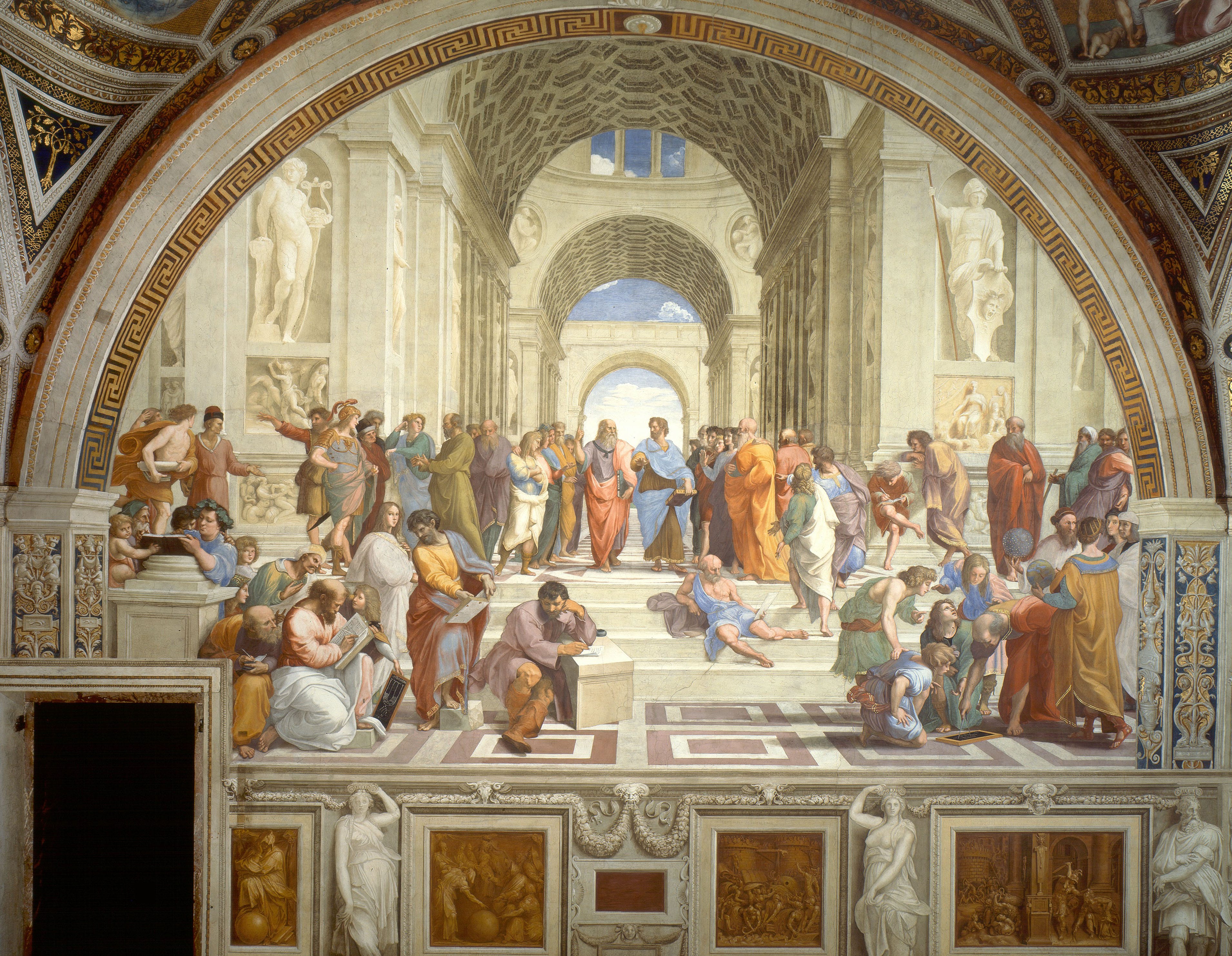
These places taught theology, philosophy, law, medicine… all grounded in the idea that truth was worth pursuing for its own sake.
That’s the Christian mindset: truth exists, and seeking it is a noble calling.
You can still see it in the Latin mottos carved into old university gates:
Veritas.
Dominus illuminatio mea.
In lumine tuo videbimus lumen.
They’re reminders that higher learning started as a religious project.
Why Science Was a Christian Invention
This is the part people argue about, but it’s straightforward: science appears in Christian Europe, not in Greece, not in China, not in the Islamic world.
Why?
Because Christianity gave Europeans a useful belief: the universe has rules because God is rational, and those rules can be discovered.
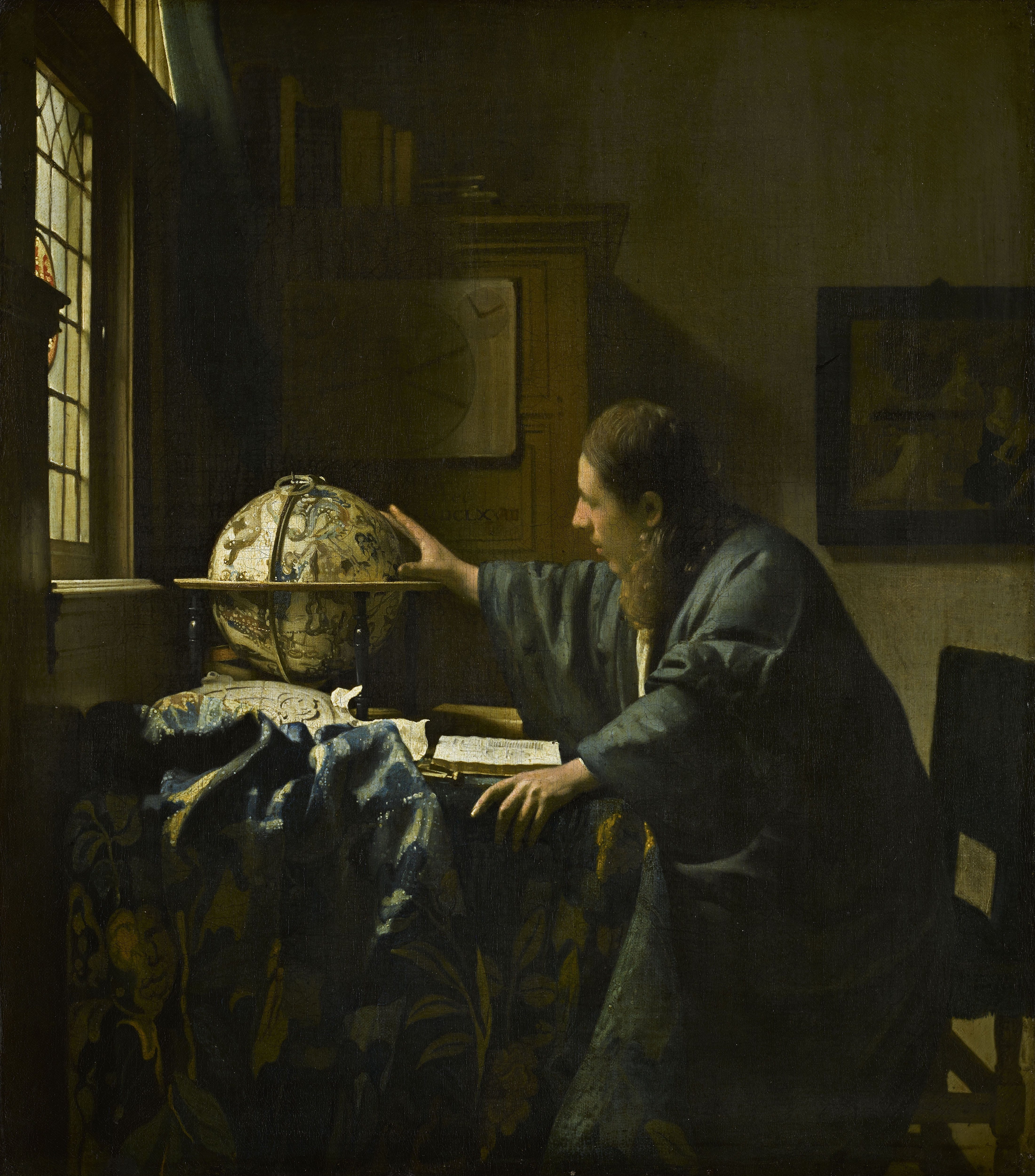
Roger Bacon (a friar) pushed for evidence and experiments.
Mendel (a monk) founded genetics.
Kepler said he was “thinking God’s thoughts after Him.”
Newton wrote more about theology than physics.
They used their minds to understand creation.
Law, Rights, and the Idea That Power Has Limits
Rome had laws, but the laws existed to protect the state, not the person.
Christian thinkers brought something new: the idea that every human, even the poorest, had dignity because they were made in God’s image. And if that was true, then no ruler… not even a king… could treat people as disposable.
That belief turned into the concept of natural rights.
It led to the idea that governments are accountable to something higher than themselves.
It shaped documents like Magna Carta and, eventually, the American Constitution.
People like to say human rights are “secular.”
But they aren’t.
They’re built on a Christian assumption: the individual matters more than the state.
Without that assumption, everything collapses back into power.
Art, Music, and Architecture
The great cathedrals… Chartres, Notre Dame, Cologne… were built to express transcendence, hope, order, and light.
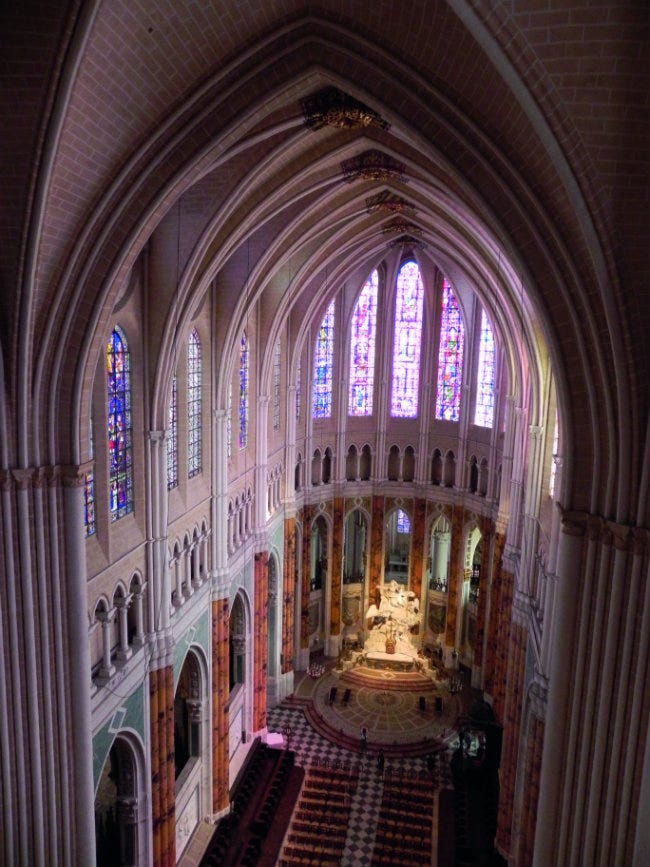
The stained glass was Scripture in color.
The music… chant, polyphony, eventually Bach… was prayer.
Even today, even if you’re not religious, you feel something when you walk into a cathedral. It’s the architecture of meaning.
Christianity taught Europe that beauty could point beyond itself.
A Civilization Built on Care
What’s remarkable is that none of this came from a central plan. There was no committee deciding “Let’s invent hospitals” or “Let’s build universities.”
Christians just kept taking their own beliefs seriously… that people mattered, truth mattered, and creation was intelligible.
When you act on those beliefs long enough, you get institutions.
And when enough institutions accumulate, you get a civilization.
That’s basically the story of the West.
It was built by people who believed that love, truth, and human dignity were real.
Even now, even in a secular age, the world still runs on those assumptions.
The challenge is simple: we want to keep the institutions Christianity built, but we don’t want the worldview that produced them.
That’s not sustainable.
You can coast on borrowed moral capital for a while, but not forever.
The world we live in exists because Christians behaved as if every person mattered.
Whether you like it or not, that’s still the foundation under our feet.
If you’ve been enjoying these essays, consider becoming a paid subscriber.
YOUR support means a lot, thanks for reading!
Yes. This truth cannot be erased but in 2004 European leaders didn’t want to even mention Christianity simply as their historical background in the preamble of the envisioned European Constitution. I believe that was when the European cup of abominations started spilling over and I believe God is allowing Europe’s leaders to destroy our civilization with their own hands helping the worst of the rest of the world to destroy the west.
Excellent Article .. This same thought also led to founding and growth of many religious orders such as the Franciscans and Jesuits who are known worldwide for their love for the poor and the marginalized . The best example in our times is that of Mother Theresa of Calcutta who is known as the Saint of Gutters.