
When people think about who built Western civilization, they imagine kings, warriors, and philosophers.
But for a few centuries, the people who actually held it together were monks.
Not the powerful kind… not bishops or popes… but quiet men in rough robes who spent their lives in stone buildings far from cities, copying books by candlelight.
They were just trying to serve God.
And that’s what made them the perfect people to do it.
The Western Spirit exists because of readers like you. Join us and help keep this project alive and independent.
If you’ve been enjoying these essays, consider becoming a paid subscriber. For a few dollars a month, you’ll get:
In-depth pieces on forgotten battles, brave men, and turning points in Western history
Reflections on faith, order, tradition, and the deeper meaning behind culture
Full access to the growing archive — essays, book breakdowns, and historical deep dives
This project exists because readers like you make it possible.
The World They Inherited
When the Roman Empire collapsed in the fifth century, Europe fell into chaos. Roads crumbled. Cities emptied. Trade stopped. Armies roamed the countryside, burning and stealing.
The empire had been brutal, but it had also been organized. When it vanished, so did the infrastructure that made ordinary life possible.
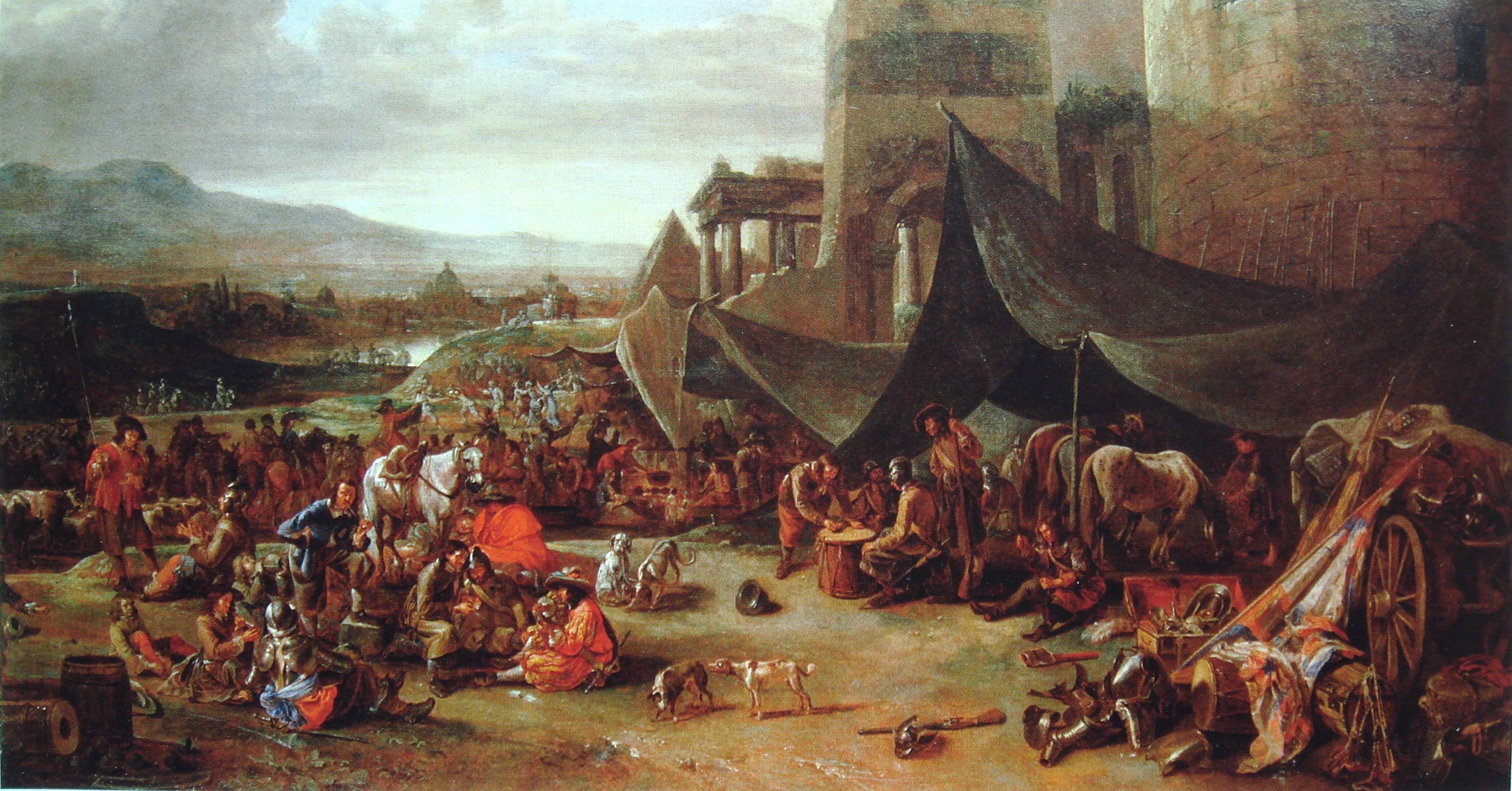
Most people couldn’t read. Schools disappeared. Even rulers barely understood the systems they were trying to control.
For the first time in centuries, it looked like civilization itself might disappear.
In that vacuum, small groups of Christians began to gather in remote places… mountains, valleys, and islands. They called their communities monasteries. Their goal was to withdraw from the world and pray for it.
But by trying to escape the ruins, they ended up rebuilding them…
The Habit of Work
Life in a monastery was simple, repetitive, and hard. The monks prayed seven times a day, starting before sunrise. They worked with their hands. They grew food, raised animals, and repaired tools.
The Rule of Saint Benedict, written around 530 AD, shaped all this. It was basically a handbook for how to live a disciplined life. Benedict wanted monks to be stable, humble, and useful.
“Idleness,” he wrote, “is the enemy of the soul.”
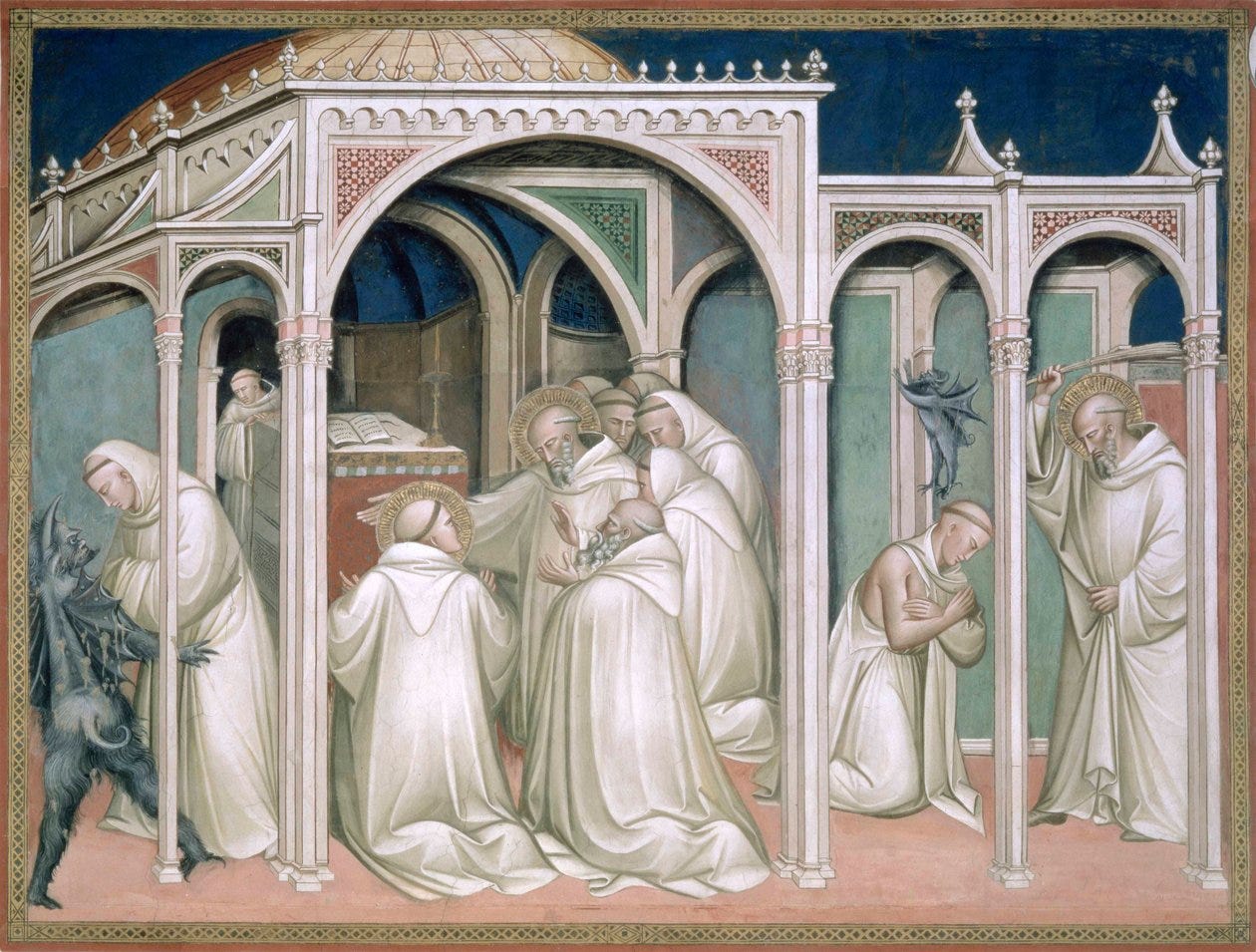
So they worked. And over time, that habit… manual labor combined with prayer… changed Europe.
Monks drained swamps, cleared forests, and built farms. They experimented with irrigation and crop rotation. They developed new tools and improved old ones. In trying to make their monasteries self-sufficient, they ended up pushing technology forward.
By the way… I’m running a discount to celebrate hitting 120 paid subscribers.
For the next few hours, you can join for $5/month or $50/year instead of the usual $8/month.
It’s the cheapest it’ll ever be… and a great time to become part of the project.
SUBSCRIBE NOW
The Keepers of Knowledge
But their most important work wasn’t in the fields. It was in the scriptorium… the quiet room where they copied books.
When the rest of Europe had forgotten how to read, monks were copying the Bible, the Church Fathers, and classical authors like Plato, Aristotle, and Virgil.
They weren’t scholars in the modern sense. They didn’t analyze the texts or write essays about them. They just copied them because they believed words mattered.
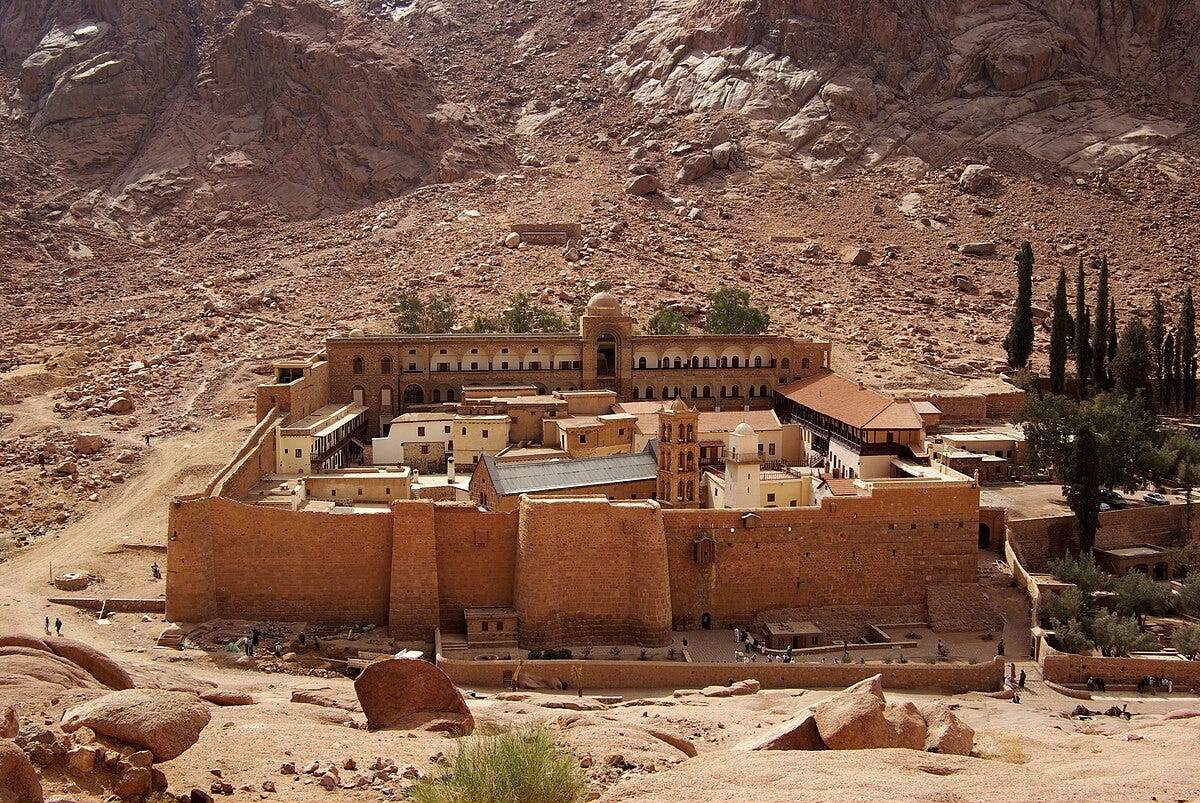
In doing so, they became the memory of civilization.
If you’ve ever read Homer or Cicero, it’s because some monk in Ireland or Italy sat for months, dipping his pen in ink, copying page after page by hand.
Many didn’t even understand what they were preserving. But they trusted that it mattered.
That trust… that patient care for things beyond one’s lifetime… is what separates civilization from chaos.
Ireland: The Island of Books
When Rome fell, one of the few places that stayed relatively stable was Ireland.
Cut off from the mainland, it became a refuge for learning. Monks there built monasteries that became centers of study. They copied everything they could find, from Scripture to pagan poetry.
These Irish monks… people like Saint Columba and Saint Columbanus… later carried their books across the sea to Scotland, England, and France. Wherever they went, they built libraries, schools, and churches.
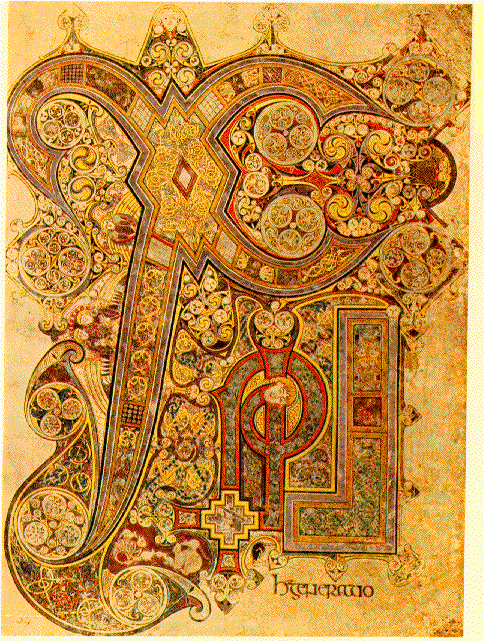
Thomas Cahill once called them “the people who saved civilization,” and he was right. Without them, much of ancient literature would have disappeared.
When Charlemagne tried to rebuild education in the 8th century, he found that the only people who could teach were monks.
They were the ones who still knew how to read, write, and think in a world that had forgotten how.
Order Out of Chaos
The monasteries were islands of order in a disordered world.
They offered stability in a time when almost nothing else was stable. The monks’ lives followed rhythms of prayer and work that repeated day after day, season after season.
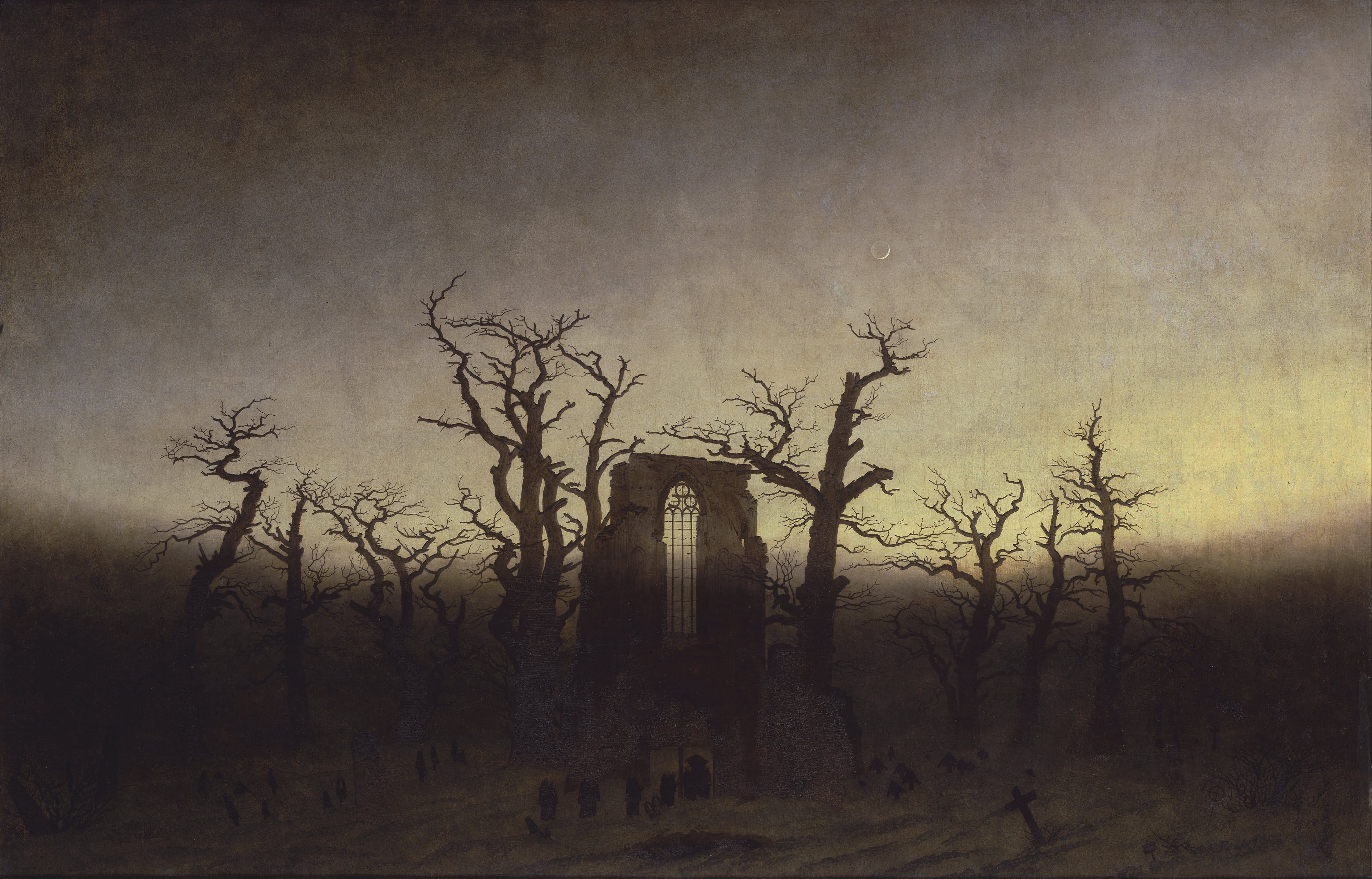
Peasants came to the monasteries for food, travelers for shelter, the sick for care.
Slowly, villages began to grow around them.
That’s how many European towns started: as settlements near monasteries.
Civilization rebuilt itself from the quiet outposts of faith.
The monks lived by a rule that valued patience, humility, and service… and that turned out to be the exact opposite of the culture that had just destroyed itself.
Faith and Curiosity
Over time, the monasteries became laboratories of thought.
The monks studied medicine, astronomy, and mathematics. They calculated the calendar, tracked the stars, and experimented with crops. They believed creation was intelligible because it was made by a rational Creator.
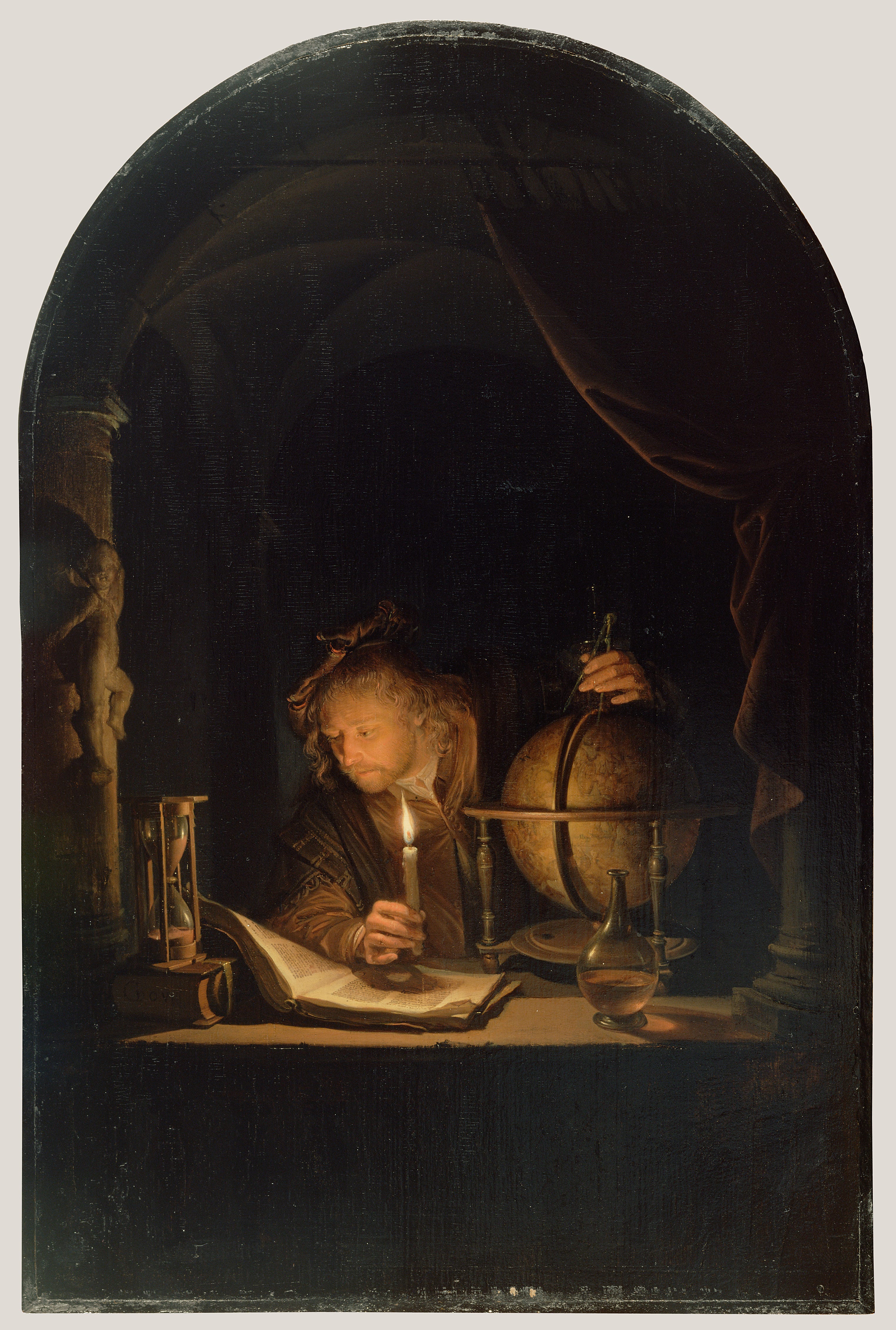
That belief… that the world is ordered and can be understood… was what later became the foundation of science.
The monks weren’t scientists yet, but they created the mindset that made science possible: curiosity guided by discipline, reason rooted in belief that the world made sense.
They didn’t ask, “What can I exploit?”
They asked, “What can I understand?”
A subtle but enormous difference.
The Quiet Revolution
By the time of the High Middle Ages, the monasteries had become the backbone of European life. They were centers of agriculture, charity, and education. Many of the first universities grew out of them.
Their influence was everywhere, though it rarely drew attention to itself.
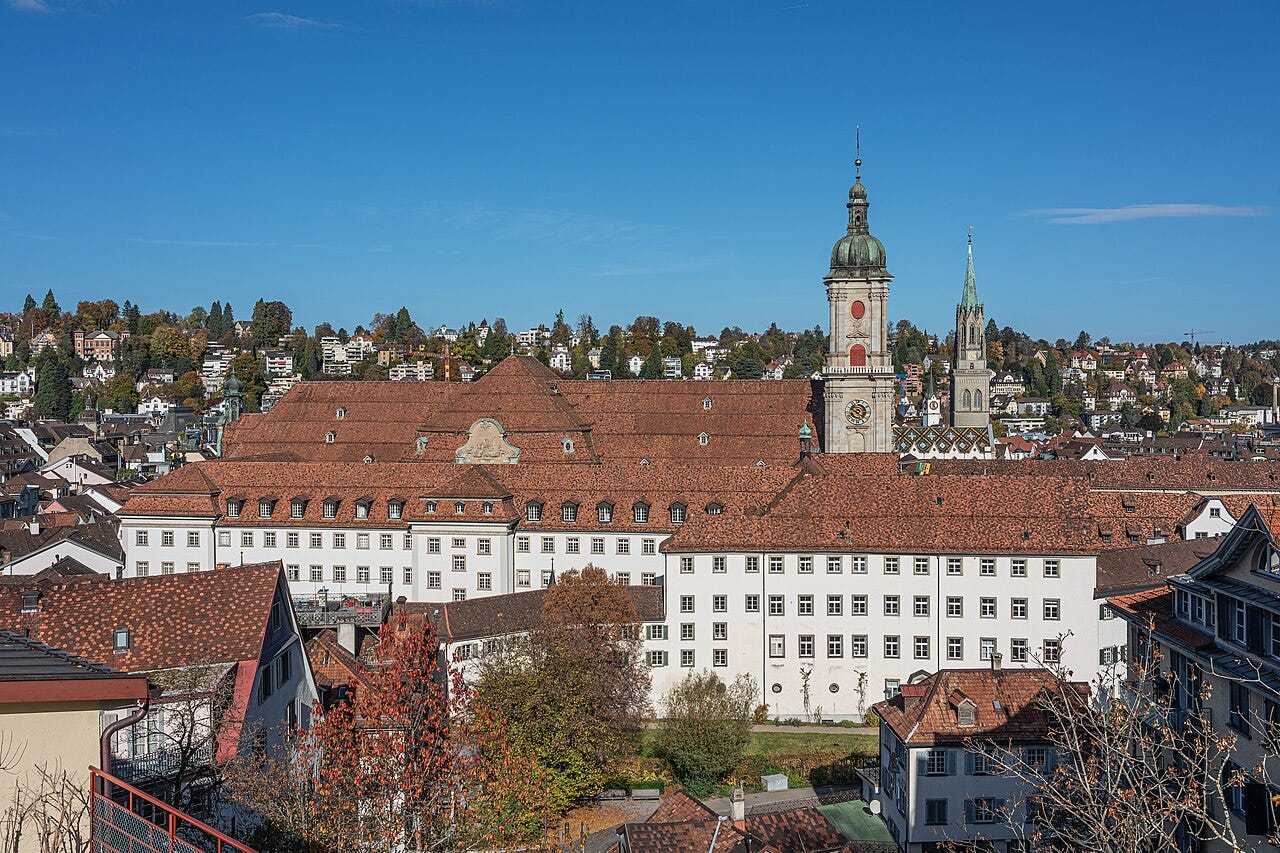
The monks simply lived according to their faith, and civilization formed around them.
Their rhythm of life… prayer, study, work… gave Europe something it desperately needed: continuity.
And that continuity turned into culture.
What They Taught
Looking back, it’s striking how little the monks cared about recognition. Most of their names are lost. The world they saved didn’t even realize it at the time.
That might be the clearest lesson of all.
Civilization isn’t usually built by people trying to be great. It’s built by people quietly doing small things well… planting, teaching, copying, repairing… and trusting that their work will matter even if no one ever sees it.
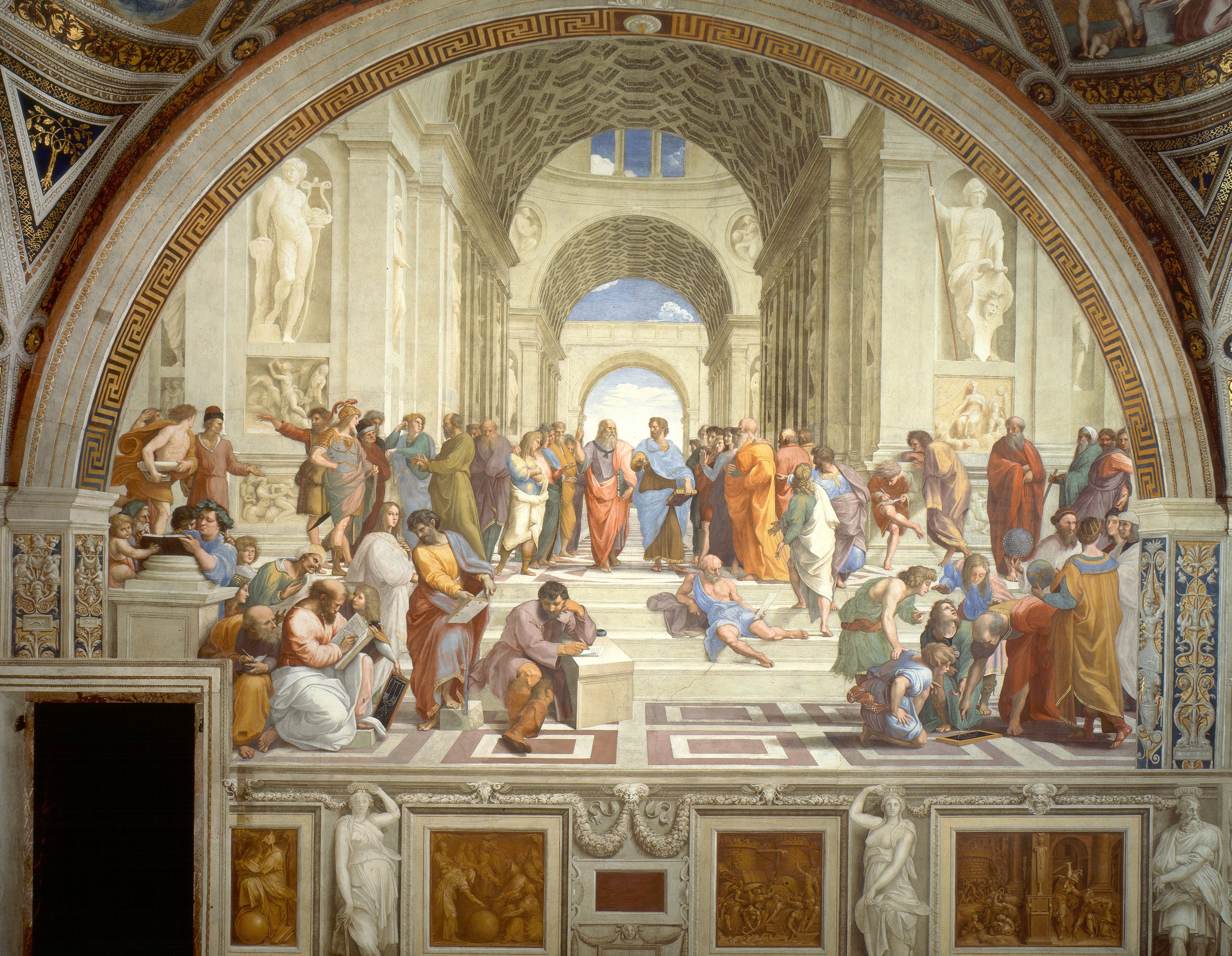
The monks just believed that order was better than chaos, and that truth was worth preserving.
That belief became the foundation of the modern world.
Never forget
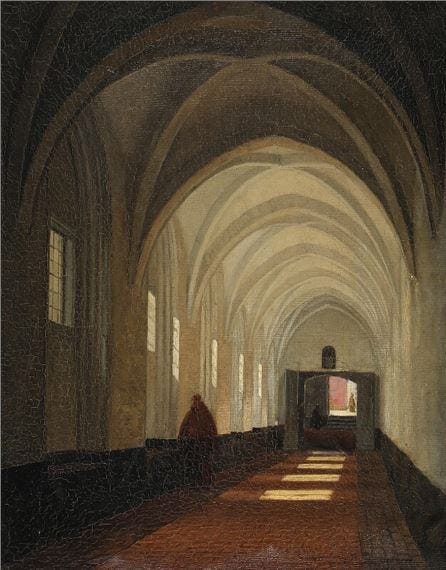
If you walk into an old European monastery today… the stone cloisters, the smell of wood smoke, the distant sound of bells… it’s hard not to feel gratitude.
Those buildings are the bridge between the ancient world and ours.
That history seems very familiar to me. I visited two monasteries along the Danube; beautiful and serene places. We learned monasteries were built about 50 miles apart giving shelter to those who travelled.
So it was confusing to me when just last week I read all of western civilization was stolen from Africans & Muslims who were also the first to live in Scandinavia. :-/
And the Arabs. Don’t forget how much of Greek math and writing they preserved. And Roman things by way of Constantinople.