
“Education should teach men how to think and what to think. The modern world increasingly teaches neither. A culture survives when its inheritance is transmitted, and that inheritance lives principally in books.”
— Hilaire Belloc
For most people today, Belloc is either completely unknown or vaguely remembered as “Chesterton’s friend,” which is unfortunate because he was one of the sharpest historical and political minds of the early twentieth century, and many of the things he warned about ended up happening almost exactly as he predicted.
And unlike many modern commentators, Belloc did not analyze civilization through isolated headlines or temporary trends. He thought historically. He saw Europe as something organic, something built slowly over centuries through Christianity, Rome, tradition, memory, and culture. He believed that once people lost contact with those foundations, they would eventually lose the civilization built on top of them as well.
Which is more or less where we are now.
Once you read him long enough, you start noticing how much modern thinking depends on historical amnesia, which is why Belloc saw the great books as essential to the survival of civilization itself..
1) To Understand That Europe Was Built by Christianity
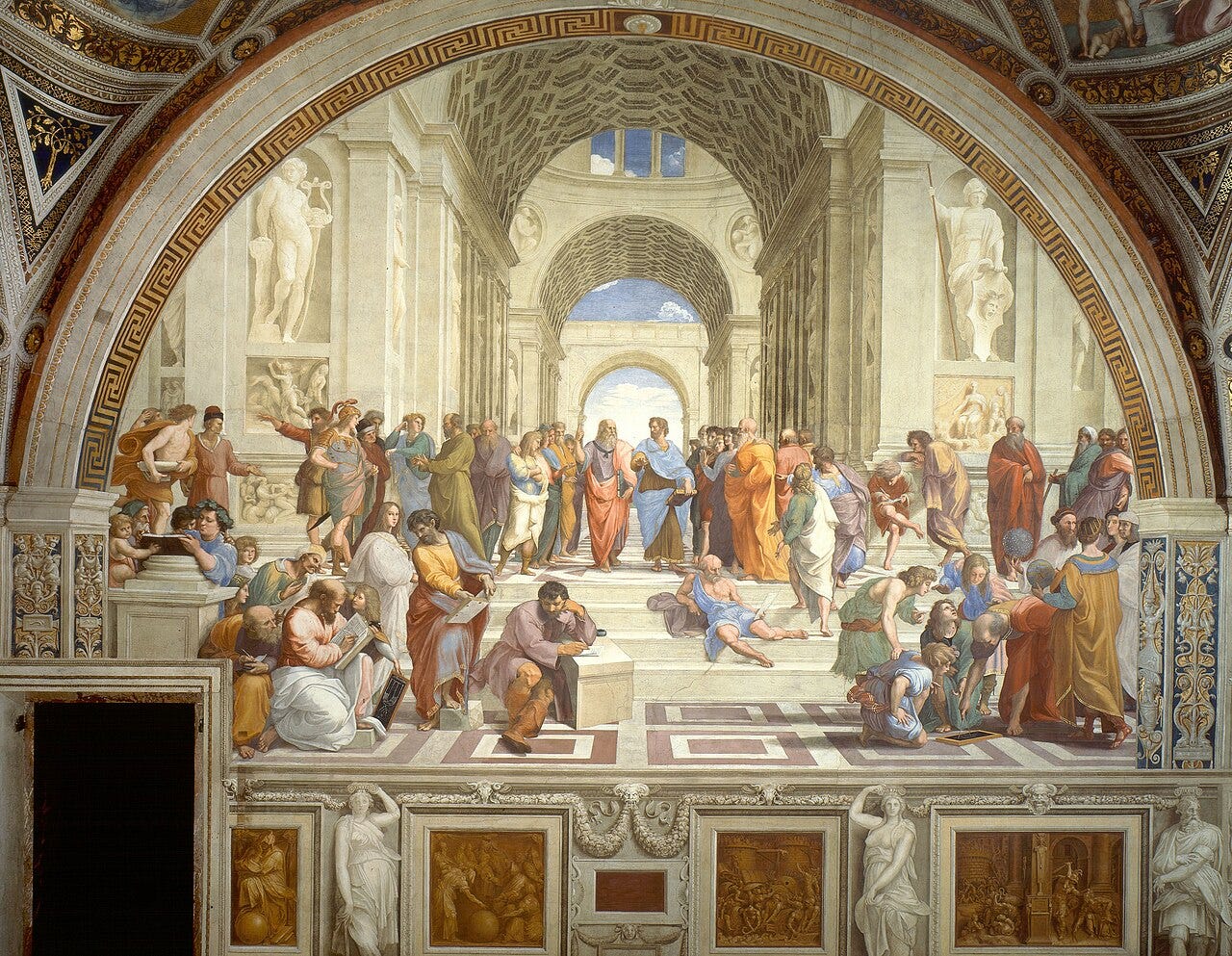
One of Belloc’s most famous lines comes from his book Europe and the Faith:
“The Faith is Europe and Europe is the Faith.”
His point was simple: you cannot understand Europe without Christianity because Christianity shaped Europe at every level.
Its laws, universities, architecture, philosophy, moral assumptions, calendars, art, literature, and even its understanding of the human person emerged from a Christian framework over many centuries.
Belloc spends much of his writing reminding readers that civilizations do not appear out of nowhere. They are built through continuity. Remove the foundation long enough and eventually the structure above it weakens too.
That’s one reason reading him feels so relevant now.
Most people living in the West still inherit Christian assumptions without realizing where they came from. Ideas like universal human dignity, charity, moral equality before God, the sanctity of conscience, all of these emerged from a specific tradition.
2) To See Modernity More Clearly
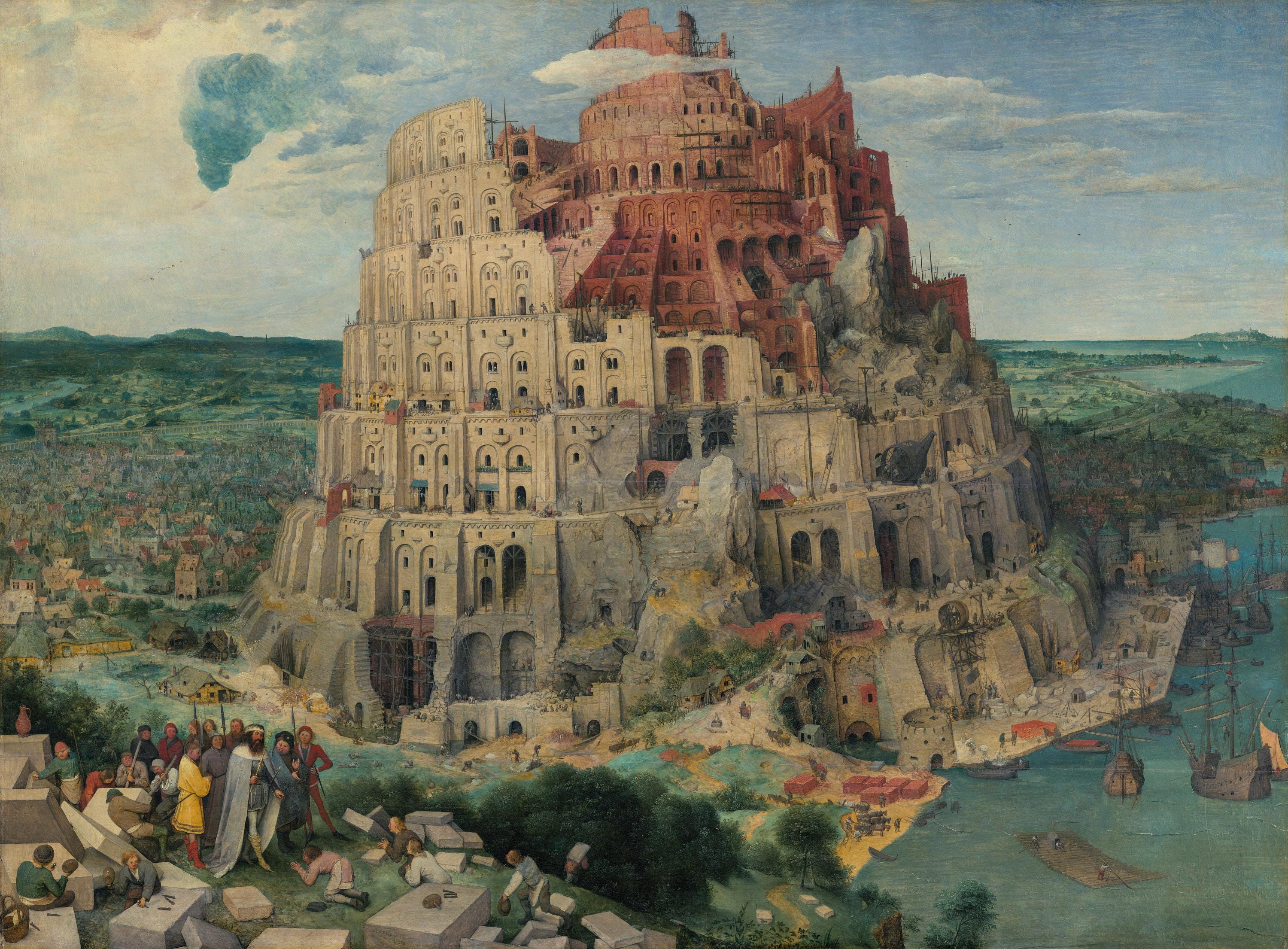
One thing Belloc understood very early was that modernity was not automatically producing freer or healthier societies.
In fact, he argued the opposite in The Servile State, where he warned that modern industrial systems were slowly creating populations that were materially dependent, politically weak, and spiritually detached:
“Industrial society creates a class increasingly divorced from property, from independence, and from the means of maintaining itself. Such a condition cannot remain stable. Men deprived of economic freedom eventually lose political freedom as well.”
Belloc saw a society increasingly dominated by massive economic powers, centralized bureaucracies, and populations losing ownership, independence, and stability. He believed people become easier to control when they lose strong families, local loyalties, religious structures, and economic independence.
He anticipated many modern problems long before they fully emerged.
That’s the value of older writers generally. They see things your own age struggles to notice.
C.S. Lewis once wrote:
“We all, therefore, need the books that will correct the characteristic mistakes of our own period.”
Belloc does exactly that.
He breaks the illusion that progress automatically means improvement.
Friendly reminder: The Western Spirit exists because of readers like you. Join us and help keep this project alive and independent.
If you’ve been enjoying these essays, consider becoming a paid subscriber. For a few dollars a month, you’ll get:
In-depth pieces on forgotten battles, brave men, and turning points in Western history
Reflections on faith, order, tradition, and the deeper meaning behind culture
Full access to the growing archive — essays, book breakdowns, and historical deep dives
This project exists because readers like you make it possible.
3) To Recover Historical Memory
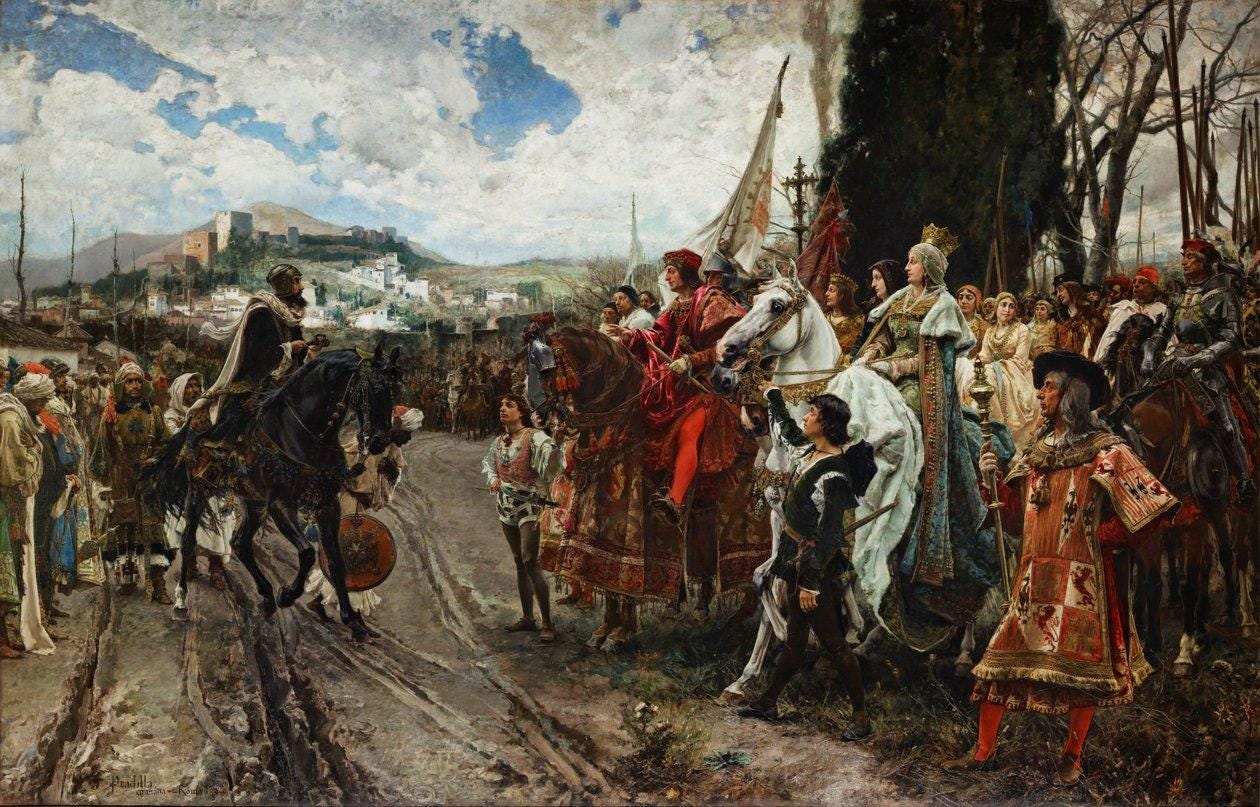
History, for most people, has been reduced to information.
A collection of disconnected facts, dates, names, and events that people memorize briefly and then forget. Belloc saw history very differently because he understood that history is really about continuity, inheritance, and identity.
Once a civilization loses contact with its past, it eventually loses clarity about what it is, what it believes, and what it is even trying to preserve anymore. That’s why so much of Belloc’s writing revolves around reconnecting the chain between the ancient world, Christendom, Europe, and the modern West, because he understood that civilizations survive only when people still feel attached to the traditions and memory that formed them.
You see this very clearly in The Great Heresies, where Belloc argues that civilizations are often weakened less by external enemies than by internal confusion, loss of confidence, and cultural forgetfulness.
Writing in 1938, long before mass migration into Europe and decades before modern terrorism, Belloc described Islam as:
“The most formidable and persistent enemy which our civilization has had.”
What matters about that quote is not merely the statement itself, but the broader point Belloc was making around it.
Civilizations survive through confidence in themselves. Through memory. Through continuity. Through belief in the legitimacy of their own traditions and inheritance. Once that confidence disappears, societies become fragile very quickly because people stop defending what they no longer fully believe in themselves.
And honestly, when you look around Europe today, that observation feels difficult to dismiss.
4) To Learn How to Think Historically
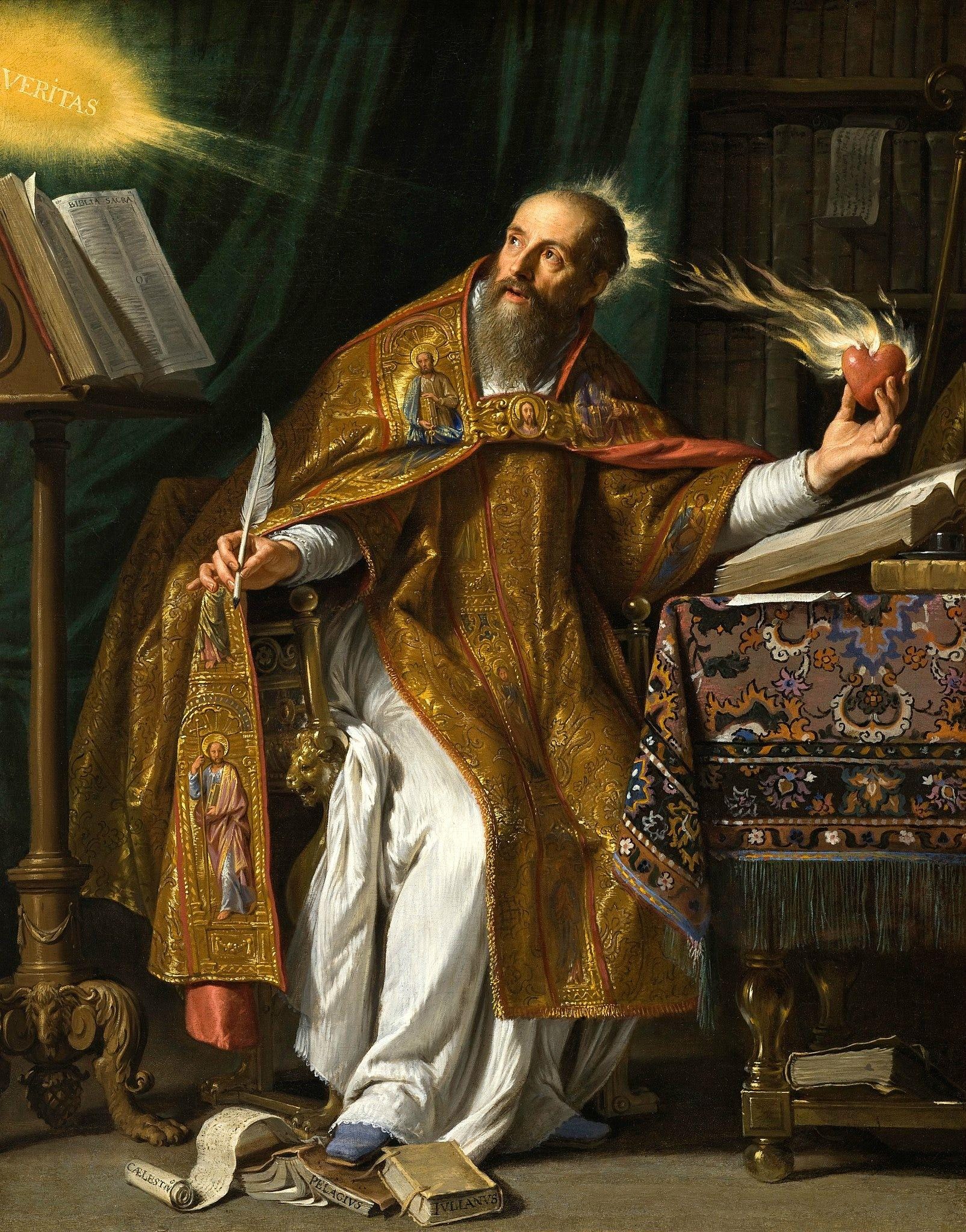
Modern commentary traps people inside the present moment, where every political argument, crisis, or social trend feels isolated and unprecedented. Belloc pulls you out of that mindset and forces you to think historically, which means seeing events as part of larger patterns developing across centuries rather than reacting emotionally to whatever happens to dominate this week’s headlines.
That’s part of what makes him so refreshing to read now.
There is nothing sterile about his writing. He never treats civilizations like abstract systems or theoretical models detached from human life. He writes with the understanding that ideas shape cultures, that cultures shape societies, and that societies eventually produce consequences people have to live inside, whether those consequences are good or disastrous.
A lot of writing today feels shallow because it lacks that larger framework entirely. Everything becomes reactive, fragmented, and disconnected from historical memory.
Belloc pushes readers toward larger questions.
- What actually holds a civilization together across centuries?
- What weakens it internally long before collapse becomes visible?
- What happens once people lose confidence in their own inheritance?
And perhaps most importantly, can a civilization survive after forgetting the books, ideas, and beliefs that created it in the first place?
This is what pushed me to start the Athenaeum Book Club.
I’ve been building Athenaeum for over a year now, and honestly, it feels like the most important thing I’ve ever worked on. The response has been unbelievable. Every day, people reach out telling me they’ve been looking for something like this for years, a place where people sit down and read the great books seriously instead of just posting quotes from them online.
At Athenaeum, we read a new classic text every month, and we now have close to 40,000 readers following along. We have an incredible “inner circle” community actively participating in the biweekly discussions: reading, thinking, and engaging deeply with the material, together.
The appetite for the great books of Western civilization is far larger than most people think. Classics operate at a completely different depth than anything modern culture produces.
These are the books we’ve read so far (we just started Crime and Punishment):
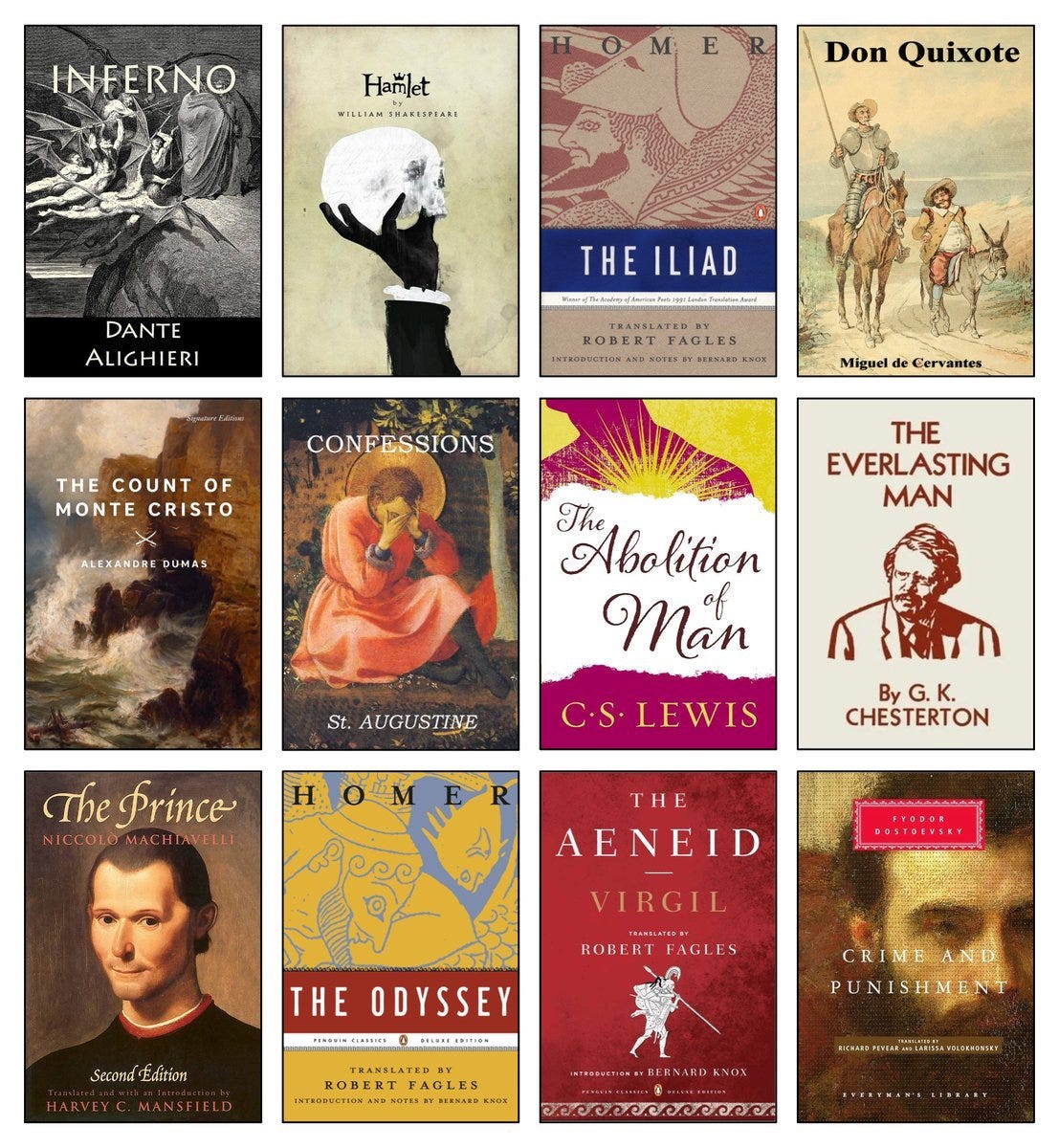
To preserve a culture, you must continually study the books and ideas that created it.
That is why the Athenaeum Book Club was created. Together, we are reading the books that form the mind and shape the spirit — the books our ancestors read. We’re doing it honestly and openly, in dialogue with each other.
If this sounds like something you’d like to be a part of, please join our community, and consider supporting our mission with a paid membership. You’ll get:
Live community book discussions (biweekly) and recordings
Access to our incredible community of readers
Regular essays to guide you through the books we’re reading
The full library of articles, essays, and podcasts
The ability to vote on what we read next…
Athenaeum is funded ENTIRELY by the members of this incredible community. Join us!
Not just in Europe. We see the deliberate removal of our history here in the US. It serves well the combined goals of the red/green alliance.
As they both utilize this tactic. Bellow was read as an instruction manual by them. As was 1984, etc.
Remarcable post my friends.
Dominus Vobiscum